Tag: remote work comparison

  • Remote Work Productivity Tips For Freelancers: 10 Best 2025

    Remote Work Productivity Tips For Freelancers: 10 Best 2025

    Introduction

    Remote work productivity tips for freelancers are essential in today’s evolving work landscape. As remote work continues to gain traction in 2025, freelancers must adapt to ensure they remain competitive and productive in their digital careers. The ability to harness productivity in a remote setting can significantly impact a freelancer’s success, leading to better outcomes and job satisfaction.

    Understanding Remote Work Productivity

    Productivity in a remote work context refers to how effectively freelancers can manage their tasks, time, and resources to achieve their goals. Unlike traditional office environments, remote work presents unique challenges, such as distractions at home, lack of structured routines, and potential feelings of isolation. Understanding these challenges is crucial for freelancers to identify strategies that enhance their productivity.

    Remote Work Productivity Tips for Freelancers: Establish a Dedicated Workspace

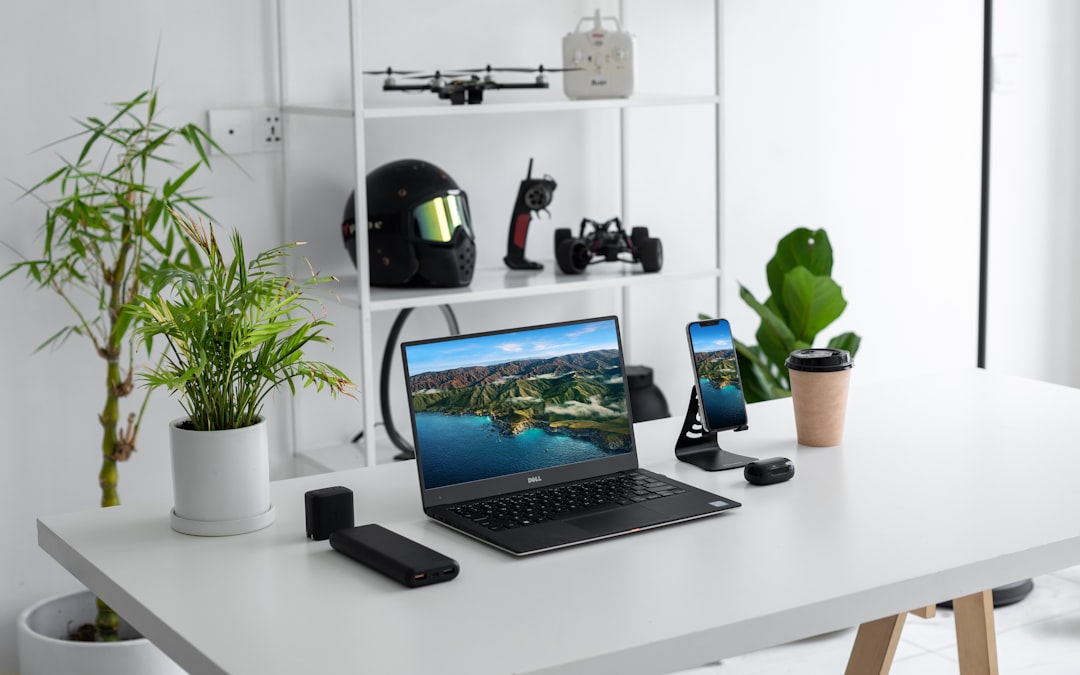
    One of the most impactful remote work productivity tips for freelancers is to establish a dedicated workspace. Creating a specific area for work helps signal to your brain that it’s time to focus. Here are some tips for crafting an inspiring home office environment:

    • Choose a quiet area with minimal distractions.
    • Invest in ergonomic furniture to enhance comfort.
    • Add personal touches, such as artwork or plants, to make the space inviting.
    • Ensure good lighting, preferably natural, to boost mood and focus.

    remote work productivity tips for freelancers: an inspiring home office setup

    Time Management Strategies: Key Remote Work Productivity Tips for Freelancers

    Effective time management is crucial for freelancers aiming to increase productivity. Here are some proven strategies:

    1. Prioritize Tasks: Use the Eisenhower Matrix to distinguish between what is urgent and important.
    2. Set Time Limits: Allocate specific time slots for each task to combat procrastination.
    3. Use Digital Tools: Apps like Trello and Asana can help organize and track tasks efficiently.

    By implementing these time management strategies, freelancers can effectively balance their workload and deadlines.

    The Pomodoro Technique: A Proven Strategy for Remote Work Productivity

    The Pomodoro Technique is a time management method that enhances focus and productivity. It involves working in focused bursts of 25 minutes, followed by a 5-minute break. After four cycles, a longer break of 15-30 minutes is taken. Here’s how freelancers can implement this technique:

    • Choose a task to work on.
    • Set a timer for 25 minutes and work on the task until the timer goes off.
    • Take a 5-minute break to recharge.
    • Repeat the process for four cycles and then take a longer break.

    This structured approach helps maintain concentration and reduces burnout, making it one of the top remote work productivity tips for freelancers.

    Setting Clear Goals: Essential Remote Work Productivity Tips for Freelancers

    Setting clear, achievable goals is fundamental to productivity. Use the SMART criteria to ensure your goals are Specific, Measurable, Achievable, Relevant, and Time-bound. Additionally, breaking down larger projects into manageable tasks can prevent overwhelm. For instance:

    • Identify the overall project goal.
    • Break it into smaller milestones.
    • Assign deadlines to each milestone.

    remote work productivity tips for freelancers: setting SMART goals

    Utilizing Technology: Tools to Enhance Remote Work Productivity

    In the digital age, utilizing technology is vital for freelancers. Here are some essential tools that can boost productivity:

    • Project Management: Use tools like ClickUp or Monday.com to manage tasks and collaborate with clients.
    • Communication: Platforms such as Slack and Zoom facilitate seamless interaction with clients and team members.
    • Time Tracking: Use tools like Toggl to monitor how you spend your work hours and identify areas for improvement.

    Maintaining Work-Life Balance: Remote Work Productivity Tips for Freelancers

    For freelancers, maintaining a work-life balance is crucial for sustained productivity. Without clear boundaries, work can bleed into personal time, leading to burnout. Here are some tips:

    • Set specific work hours and stick to them.
    • Designate a clear end-of-work routine to signal the end of the day.
    • Integrate regular breaks and downtime into your schedule to recharge.

    By respecting personal time, freelancers can return to their work with renewed energy and focus.

    Continuous Learning: Digital Skills for Improved Remote Work Productivity

    In a rapidly changing digital landscape, continuous learning is essential for freelancers. Staying updated with industry trends and enhancing digital skills can significantly improve productivity. Consider the following resources for online training:

    • Coursera – Offers courses on various topics from renowned institutions.
    • Udemy – Features a wide range of courses for skill enhancement.
    • edX – Provides access to quality educational content from top universities.

    Networking and Collaboration: Boosting Remote Work Productivity

    Networking and collaboration can significantly enhance productivity for freelancers. Collaborating with other professionals opens doors to new ideas and shared resources. Here are some effective networking tips:

    • Join online communities relevant to your field.
    • Attend virtual networking events and webinars.
    • Engage with peers on social media platforms like LinkedIn.

    Building a solid network can lead to potential collaborations that boost productivity and growth.

    Prioritizing Health and Well-being: A Key to Remote Work Productivity

    Health and well-being are directly linked to productivity. Freelancers must prioritize both mental and physical health to maintain high performance. Here are some wellness practices to incorporate into your routine:

    • Engage in regular physical activity, such as walking or yoga.
    • Practice mindfulness techniques, such as meditation.
    • Ensure adequate sleep to support cognitive function.

    remote work productivity tips for freelancers: prioritizing health and well-being

    The Role of Discipline: Remote Work Productivity Tips for Freelancers

    Discipline is a cornerstone of successful freelancing. Without the structure of a traditional office, freelancers must cultivate self-discipline to stay productive. Here are strategies to enhance discipline:

    • Establish a daily routine and stick to it.
    • Minimize distractions by using apps like Freedom or Cold Turkey.
    • Set personal accountability measures, such as sharing goals with a peer.

    Conclusion: Implementing Remote Work Productivity Tips for Freelancers

    In conclusion, remote work productivity tips for freelancers are vital for thriving in the digital age of 2025. By implementing strategies such as establishing a dedicated workspace, utilizing time management techniques, and prioritizing health, freelancers can enhance their productivity. Embrace these remote work productivity tips for freelancers, take actionable steps towards improvement, and watch your freelance career flourish. Start today; your future self will thank you!

  • Best Online Training Platforms For Digital Marketing: 10 Ultimate 2025

    Best Online Training Platforms For Digital Marketing: 10 Ultimate 2025

    Introduction

    The best online training platforms for digital marketing have become essential in today’s competitive job market. As businesses continue to shift towards digital landscapes, acquiring digital marketing skills is vital for career advancement and success. Online training platforms provide the perfect opportunity to enhance these skills, offering flexibility and diverse learning options tailored to various career goals.

    Why Choose Online Training Platforms for Digital Marketing?

    Online training platforms offer unparalleled flexibility and convenience, allowing learners to study at their own pace and on their own schedules. This is particularly beneficial for individuals balancing work, family, or other commitments. Additionally, the cost-effectiveness of online courses compared to traditional education makes them an attractive option for many. With prices often significantly lower than attending a physical institution, learners can invest in their education without incurring overwhelming debt.

    Key Features to Look for in the Best Online Training Platforms for Digital Marketing

    When searching for the best online training platforms for digital marketing, several key features should be considered:

    • Course Variety: A wide range of topics ensures that learners can find courses that suit their interests and career aspirations.
    • Instructor Quality: Experienced instructors enhance the learning experience, providing insights drawn from real-world experience.
    • User Reviews: Positive feedback from previous learners can help gauge the effectiveness of the courses offered.
    • Certification: Look for platforms that provide recognized certifications upon course completion, as these can enhance your resume.

    Top 10 Best Online Training Platforms for Digital Marketing in 2025

    Here’s a careful selection of the top ten best online training platforms for digital marketing that you should consider in 2025:

    1. Coursera

    Coursera offers a vast array of digital marketing courses in partnership with renowned universities like Stanford and Yale. This platform provides learners with both free and paid options, allowing for a flexible learning experience. The quality of education is top-notch, and learners benefit from university-level instruction. Visit Coursera

    2. Udemy

    With thousands of courses, Udemy is a go-to platform for learners seeking a variety of digital marketing skills. The platform features user-generated content, enabling learners to find courses on niche topics. Furthermore, user ratings and reviews allow potential students to make informed choices. Explore Udemy

    3. LinkedIn Learning

    LinkedIn Learning seamlessly integrates with professional networking, catering to individuals looking to enhance their careers. The platform offers a wide range of courses specifically designed for career advancement, making it a valuable resource for job seekers. Discover LinkedIn Learning For more insights, check out How To Compare Health Insurance Plans:.

    4. Skillshare

    Skillshare focuses on creative digital marketing courses, fostering community engagement among learners. The project-based learning approach allows students to apply their skills in real-time, making it an ideal choice for those who learn best through practical application. Check out Skillshare

    5. HubSpot Academy

    HubSpot Academy stands out for its free certification courses, particularly in inbound marketing. The platform is known for producing high-quality content that is beneficial for marketers looking to enhance their skills in a more practical context. Visit HubSpot Academy

    6. Google Digital Garage

    Google Digital Garage offers a plethora of free resources for beginners, covering essential digital marketing skills. Leveraging Google’s credibility in the field, learners can trust the quality of the information provided. Explore Google Digital Garage

    7. Simplilearn

    Simplilearn is ideal for professionals seeking advanced courses to elevate their skills. With a focus on certification and job placement assistance, this platform caters to those serious about making a career change into digital marketing. Discover Simplilearn

    8. edX

    edX offers university-level courses across a variety of disciplines, including digital marketing. Verified certificates are available upon completion, making it a reliable option for serious learners looking to bolster their credentials. Visit edX

    9. Digital Marketing Institute

    The Digital Marketing Institute provides specialized courses with industry-recognized certifications. With a focus on networking opportunities, this platform can help learners build valuable connections within the industry. Explore Digital Marketing Institute

    10. Pluralsight

    Pluralsight focuses on technology-driven digital marketing courses, making it suitable for those interested in the technical aspects of marketing. The subscription model allows learners to access a wealth of resources, with curated learning paths tailored to their needs. Check out Pluralsight

    How to Choose the Right Online Training Platform for Your Needs

    Choosing the right platform depends on your personal career goals and learning styles. Start by identifying what specific skills you want to develop in digital marketing. Research the platforms that offer courses aligned with these skills and consider factors such as course format, duration, and cost. Additionally, user reviews can provide insights into the effectiveness of the courses.

    Benefits of Online Training in Digital Marketing

    Online training in digital marketing can lead to better job opportunities and career advancement. With the skills acquired from the best online training platforms for digital marketing, individuals often find themselves more competitive in the job market. Companies are increasingly looking for candidates with proven digital marketing skills, making these courses a valuable investment in one’s future. For more insights, check out Guide To Ai For Small Businesses:.

    Testimonials: Success Stories from Online Training Platforms

    Many individuals have successfully transitioned to digital marketing careers through online training platforms. For example, Jane, a former teacher, took courses on Coursera and now works as a digital marketing manager at a tech startup. Similarly, Mike leveraged LinkedIn Learning to gain essential skills and secured a job as a social media strategist. These stories highlight the potential of online training in facilitating career changes.

    Frequently Asked Questions (FAQs) About Online Training Platforms for Digital Marketing

    What is the average cost of online training in digital marketing?

    The cost of online training in digital marketing can vary widely, ranging from free resources to several hundred dollars for comprehensive courses. On average, expect to pay between $50 to $300 for a good course.

    How long does it take to complete a digital marketing course?

    The duration of digital marketing courses can vary from a few hours for introductory classes to several months for more comprehensive programs. Most platforms provide estimated completion times to help learners plan accordingly.

    Are online certifications recognized by employers?

    Yes, many employers recognize online certifications, especially from reputable platforms like Coursera, edX, or HubSpot Academy. However, the recognition may vary depending on the industry and specific employer preferences.

    Can I learn digital marketing without prior experience?

    Absolutely! Many online training platforms cater to beginners, providing foundational courses that require no prior experience. These courses are designed to equip learners with the necessary skills to succeed in the digital marketing field.

    Conclusion: Start Your Digital Marketing Journey Today

    In conclusion, the best online training platforms for digital marketing offer valuable resources for anyone looking to enhance their skills and advance their careers. With options ranging from free courses to comprehensive paid programs, there’s something for everyone. Take the first step towards your digital marketing journey today by exploring the platforms mentioned and enrolling in a course that aligns with your career goals. Your future in digital marketing awaits!

    best online training platforms for digital marketing - digital marketing course
    best online training platforms for digital marketing - online learning
    best online training platforms for digital marketing - digital skills
    best online training platforms for digital marketing - marketing strategies

  • Top Digital Skills For Remote Work In 2024: 7 Best Essential Tips

    Top Digital Skills For Remote Work In 2024: 7 Best Essential Tips

    Introduction

    The landscape of remote work is evolving rapidly, and understanding the top digital skills for remote work in 2024 is essential for professionals aiming to thrive in this new environment. With the rise of technology and the need for flexibility, digital skills have become a core competency that employers seek. Whether you are a seasoned remote worker or new to the concept, mastering these skills can enhance your productivity and career prospects.

    Why Digital Skills Are Crucial for Remote Work in 2024

    As the global workforce shifts towards remote arrangements, the demand for digital skills is at an all-time high. Companies are seeking individuals who can navigate digital tools and platforms efficiently, which enhances team collaboration and productivity. A workforce equipped with these skills can adapt more quickly to changes and challenges, making digital literacy a critical asset in today’s job market.

    Top Digital Skills For Remote Work In 2024: An Overview

    • Cloud Computing
    • Digital Communication Tools
    • Data Analysis
    • Project Management Software
    • Digital Marketing Skills
    • Cybersecurity Awareness
    • Adaptability and Continuous Learning

    These skills are not only relevant across various industries but are also critical for enhancing operational efficiency in remote settings.

    Essential Tip #1: Embrace Cloud Computing

    Cloud computing is a fundamental aspect of remote work, offering flexibility and accessibility to files and applications. Tools like Google Drive and Dropbox allow teams to collaborate in real time, streamlining workflows. By embracing cloud technology, remote workers can access their projects from anywhere, facilitating seamless communication and collaboration.

    top digital skills for remote work in 2024 - Cloud computing tools

    Essential Tip #2: Master Digital Communication Tools

    Effective communication is vital for remote teams. Tools like Slack and Zoom have become staples in the remote work environment, enabling real-time messaging and video conferencing. Mastering these tools can significantly enhance team collaboration, ensuring that everyone is on the same page, regardless of their location.

    top digital skills for remote work in 2024 - Digital communication tools

    Essential Tip #3: Develop Data Analysis Skills

    In an increasingly data-driven world, the ability to interpret and analyze data is becoming essential. Familiarity with tools like Google Analytics and Excel can significantly boost your employability. Understanding how to extract insights from data not only enhances decision-making but also enables remote workers to contribute to strategic initiatives effectively.

    Essential Tip #4: Build Proficiency in Project Management Software

    Project management software such as Trello and Asana play a crucial role in managing tasks and deadlines in remote work settings. These tools help to organize projects, assign responsibilities, and track progress, making it easier for teams to stay focused and productive.

    top digital skills for remote work in 2024 - Project management software

    Essential Tip #5: Strengthen Your Digital Marketing Skills

    As remote work continues to grow, so does the need for digital marketing skills. Proficiency in areas such as SEO, content marketing, and social media management can open doors to numerous remote job opportunities. Understanding how to effectively market products and services online has become a valuable asset for remote professionals.

    Essential Tip #6: Enhance Cybersecurity Awareness

    With the rise of remote work comes an increased risk of cyber threats. Being aware of cybersecurity practices is essential for protecting sensitive information. Remote workers should familiarize themselves with best practices such as using strong passwords, enabling two-factor authentication, and recognizing phishing attempts to safeguard their digital environments. For more insights, check out Comparing Insurance Policies For Families: 7.

    Essential Tip #7: Cultivate Adaptability and Continuous Learning

    The digital landscape is ever-changing, making adaptability a crucial skill for remote workers. Embracing a mindset of continuous learning through online courses and certifications can help professionals stay relevant. Platforms like Coursera and Udemy offer a variety of resources to enhance your skillset.

    How to Get Started with Learning These Skills

    To effectively learn these essential digital skills, consider enrolling in structured programs that provide a comprehensive learning path. Many online platforms offer courses tailored to remote work needs, enabling you to gain practical knowledge at your own pace.

    Additionally, participating in workshops and webinars can provide hands-on experience and insights from industry experts, enriching your learning journey.

    The Future of Remote Work: Trends to Watch

    As we look toward the future, several trends in remote work are emerging. The integration of AI and automation is set to transform job roles, necessitating new digital skills. Professionals must stay informed about these changes and be prepared to adapt, ensuring they maintain a competitive edge in the remote work landscape.

    Conclusion

    In summary, understanding the top digital skills for remote work in 2024 is vital for anyone looking to excel in this evolving job market. By embracing cloud computing, mastering communication tools, developing data analysis capabilities, and continually learning, you can enhance your employability and productivity. Take proactive steps now to invest in your skill development, ensuring you are well-prepared for the future of remote work.

    Start today by exploring the resources available, and don’t forget to apply these skills in your daily work to see tangible results.

    Frequently Asked Questions

    What are the top digital skills for remote work in 2024?

    The top digital skills for remote work in 2024 include cloud computing, digital communication tools, data analysis, project management software, digital marketing skills, cybersecurity awareness, and adaptability.

    How can I effectively learn new digital skills?

    Consider utilizing online platforms like Coursera and Udemy, as well as participating in webinars and workshops to gain practical experience.

    Why is adaptability important in remote work?

    Adaptability is crucial in a constantly changing environment, allowing remote workers to effectively respond to new challenges and opportunities.

    What tools can help with remote collaboration?

    Essential tools for remote collaboration include Slack, Zoom, Trello, and Asana, which facilitate communication and project management.

    How does digital marketing impact remote work opportunities?

    Digital marketing skills can enhance job prospects in remote roles, as businesses increasingly rely on online platforms for their marketing needs.

    What are the risks of not being cybersecurity aware?

    Neglecting cybersecurity awareness can expose remote workers to threats like data breaches and phishing attacks, compromising sensitive information. For more insights, check out Ai Tools For Enhancing Team Collaboration:.

    How can I measure my productivity while working remotely?

    Tools such as Toggl and RescueTime can help track productivity and performance, allowing remote workers to assess their efficiency.

    What certifications should I pursue for remote work?

    Consider certifications in project management, digital marketing, and data analysis to enhance your employability in remote positions.

    How can I network effectively as a remote worker?

    Utilize platforms like LinkedIn to connect with professionals in your field, and participate in online communities to build relationships.

    What role does emotional intelligence play in remote work?

    Emotional intelligence is essential for effective collaboration and communication in remote settings, helping to build strong team dynamics.

    How can I stay motivated while working from home?

    Establish a routine, set clear goals, and create a dedicated workspace to maintain motivation and productivity in your home office.

    What are the common challenges faced by remote workers?

    Common challenges include isolation, distractions, and maintaining work-life balance, which can be addressed through effective strategies.

    How can I balance work and personal life in a remote setting?

    Setting boundaries, scheduling breaks, and establishing a clear work schedule can help maintain a healthy work-life balance.

    What are the best practices for virtual meetings?

    Best practices include setting a clear agenda, encouraging participation, and ensuring all participants are engaged throughout the meeting.

    Call to Action

    We encourage you to share your thoughts and experiences related to the top digital skills for remote work in 2024. What skills have you found most beneficial? Join the conversation and take the first step toward enhancing your digital skillset for a successful remote work experience!

  • How To Start A Freelance Career Online: 7 Best Tips 2025

    How To Start A Freelance Career Online: 7 Best Tips 2025

    Understanding Freelancing in 2025

    In 2025, understanding how to start a freelance career online is essential as the digital landscape continues to evolve. Freelancing has gained immense popularity due to its flexibility, the ability to work from anywhere, and a diverse range of opportunities across various industries. As more companies embrace remote work, the demand for freelancers with digital skills is higher than ever, creating a wealth of possibilities for those looking to forge their path.

    This shift towards a gig economy allows individuals to harness their skills and passions in ways that were previously unimaginable. With the rise of technologies like artificial intelligence and the increasing reliance on digital platforms, freelancers can tap into global markets and find clients from around the world.

    Why Learn How to Start a Freelance Career Online?

    Learning how to start a freelance career online comes with numerous benefits. Firstly, freelancing offers unparalleled flexibility; you can set your hours and choose your projects, allowing you to work around your life instead of the other way around. This autonomy can lead to a better work-life balance and increased job satisfaction.

    Moreover, freelancing can potentially lead to significant income growth. As you build your reputation and client base, you can increase your rates, often exceeding what you might earn in a traditional job. Freelancers also have the opportunity to diversify their income streams, working on different projects and with various clients simultaneously.

    Identifying Your Skills for Freelancing

    Before diving into the freelance world, it’s crucial to assess your existing skills and identify which digital skills are in demand. Start by listing your skills, experiences, and interests. Are you a talented writer, graphic designer, web developer, or social media manager? Recognizing your strengths is the first step in determining how to start a freelance career online.

    Next, research the current market demand for your skills. Platforms like Upwork and Fiverr can provide insights into what services are trending. You can also explore job boards and freelancing communities to see what clients are looking for.

    How to Start a Freelance Career Online: Finding Your Niche

    Finding your niche is a vital step in establishing a successful freelance career. A niche allows you to target a specific audience and position yourself as an expert in that area. To choose your niche, consider factors such as your skills, interests, and market demand.

    For example, if you have a background in digital marketing, you might specialize in social media management for small businesses. This focus will help you attract clients who are searching for your specific expertise, making it easier to market yourself effectively.

    Building an Online Presence as a Freelancer

    To successfully navigate how to start a freelance career online, building a strong online presence is essential. Personal branding and portfolio development are crucial components of this process. Start by creating a professional website that showcases your work and outlines your services.

    • Include a portfolio section with samples of your best work.
    • Write a compelling bio that highlights your skills and experiences.
    • Consider starting a blog to share your knowledge and insights within your niche.

    Additionally, leverage social media platforms to connect with potential clients and industry peers. LinkedIn, Instagram, and Twitter can be powerful tools for networking and showcasing your expertise.

    Platforms to Kickstart Your Freelance Career Online

    Several platforms can help you launch your freelance career. Here are some of the most popular options:

    Platform Best For Fee Structure
    Upwork General freelancing 20% for the first $500 billed
    Fiverr Creative services 20% on all transactions
    Freelancer Various projects 10% or $5, whichever is greater
    Guru Technical jobs 5% to 9% based on membership

    How to Market Yourself as a Freelancer

    Marketing yourself effectively is key to attracting clients in the freelance world. Start by defining your target audience and tailor your marketing efforts accordingly. Utilize digital marketing strategies such as SEO, content marketing, and social media marketing to reach potential clients.

    Creating valuable content, such as blog posts or videos, can also help establish your authority in your niche. Don’t underestimate the power of networking; attend industry events, join online communities, and connect with other freelancers to expand your reach.

    Setting Your Rates: How to Start a Freelance Career Online

    Setting competitive yet profitable rates is crucial when learning how to start a freelance career online. Begin by researching industry standards for your services and experience level. Consider factors such as your skills, the complexity of the project, and the value you provide to clients.

    It’s also important to reassess your rates regularly. As you gain more experience and build a solid reputation, you can gradually increase your fees to reflect your growth.

    Time Management Tips for Freelancers

    Time management is essential for maintaining productivity in a freelance career. Create a structured schedule that outlines your working hours, breaks, and time allocated for each project. Utilize productivity tools like Trello or Asana to keep track of tasks and deadlines.

    Additionally, consider using techniques such as the Pomodoro Technique, which encourages focused work sessions followed by short breaks to maximize efficiency.

    Legal Considerations When Starting Your Freelance Career

    When starting a freelance career, it’s crucial to understand the legal aspects, including contracts, taxes, and intellectual property. Always have a written agreement outlining the scope of work, payment terms, and deadlines to protect yourself and your clients.

    Consult with a tax professional to understand your obligations as a freelancer. Ensure you keep detailed records of your income and expenses, which will be helpful during tax season. Familiarize yourself with intellectual property laws to protect your work.

    Building Client Relationships in the Freelance World

    Nurturing client relationships is vital for ensuring repeat business and referrals. Provide exceptional service and communicate regularly with your clients. Be open to feedback and willing to make adjustments to meet their needs.

    Consider implementing a follow-up strategy after project completion, such as sending a thank-you note or checking in on their progress. This demonstrates your commitment to their success and can lead to future opportunities.

    Continuous Learning and Skill Development in Freelancing

    To stay competitive in the digital freelance market, continuous learning is essential. Regularly update your skills by taking online courses, attending workshops, or participating in webinars. Platforms like Coursera and LinkedIn Learning offer valuable resources for freelancers.

    Additionally, networking with other freelancers can provide insights into emerging trends and best practices in your niche.

    What Skills Are in Demand for Freelancers in 2025?

    As the freelance market continues to evolve, certain skills are increasingly in demand. These include:

    • Digital marketing expertise
    • Web development and design skills
    • Content creation and copywriting
    • Data analysis and SEO
    • Social media management

    By focusing on these areas, freelancers can position themselves for success in 2025 and beyond.

    How to Create a Standout Freelance Portfolio

    A strong freelance portfolio is crucial for attracting clients. Start by compiling your best work samples that showcase your skills and expertise. Organize your portfolio by project type or industry to make it easy for potential clients to navigate.

    Include case studies that highlight the challenges you faced, the solutions you provided, and the results achieved. This not only demonstrates your abilities but also provides context for your work.

    How to Use Social Media to Boost Your Freelance Career

    Social media can be a powerful tool for freelancers. Create professional profiles on platforms like LinkedIn, Instagram, and Facebook to showcase your work and connect with potential clients. Share valuable content, engage with your audience, and participate in relevant discussions to increase your visibility.

    Consider joining freelancing groups on social media where you can share your expertise and network with others in your field.

    Top 5 Freelance Platforms to Start Your Career Online

    Here are five excellent platforms to kickstart your freelance career:

    1. Upwork: A versatile platform for various freelance services.
    2. Fiverr: Ideal for creative freelancers offering gigs.
    3. Freelancer: Suitable for a wide range of projects.
    4. Guru: Great for technical freelancing.
    5. PeoplePerHour: Focused on hourly projects and tasks.

    How to Write an Effective Freelance Proposal

    Writing a compelling freelance proposal is crucial for securing clients. Start with a personalized greeting and a brief introduction about yourself. Clearly outline how your skills and experiences align with the project requirements.

    Include a proposed timeline and budget, and don’t forget to highlight your unique value proposition. Finally, conclude with a call-to-action, inviting the client to discuss the project further.

    The Importance of Networking in Freelancing

    Networking can lead to new opportunities and collaborations in the freelance world. Attend industry events, both virtual and in-person, to connect with potential clients and fellow freelancers. Consider joining professional organizations or groups related to your niche.

    Building relationships with other freelancers can also lead to referrals and partnerships, enhancing your visibility and credibility within the industry.

    How to Balance Multiple Freelance Projects

    Managing multiple clients and projects requires effective organization and time management. Create a schedule that allocates specific time blocks for each project, ensuring that you dedicate ample time to meet deadlines.

    Utilize project management tools like Trello or Asana to keep track of tasks and progress. Regularly communicate with clients to manage expectations and ensure everyone is on the same page.

    Essential Tools for Freelancers in 2025

    To maximize productivity and streamline your work, consider using the following tools:

    • Time Tracking: Tools like Toggl or Clockify to track billable hours.
    • Project Management: Trello or Asana for task organization.
    • Invoicing: FreshBooks or QuickBooks for managing finances.
    • Communication: Slack or Zoom for client communication.

    How to Handle Difficult Clients

    Encountering difficult clients is a reality in freelancing. To manage challenging relationships, maintain professionalism and clear communication. Set boundaries and ensure that expectations are aligned from the beginning.

    If a conflict arises, address it promptly and seek to understand the client’s perspective. Often, open dialogue can resolve issues and strengthen the client relationship.

    The Benefits of Joining Freelance Communities

    Joining freelance communities can provide invaluable support, resources, and networking opportunities. These communities often share insights, job leads, and advice on best practices.

    Participating in discussions and contributing your knowledge can help you build relationships and establish yourself within the community.

    How to Transition from a 9-5 Job to Freelancing

    Making a smooth transition from a traditional job to freelancing requires careful planning. Start by building your freelance portfolio and client base while still employed. This approach allows you to gain experience and income before fully committing to freelancing.

    Once you feel confident in your freelance work and have established a few clients, set a timeline for your transition, ensuring you have a financial safety net in place.

    How to Stay Motivated as a Freelancer

    Staying motivated while working independently can be challenging. Establish a routine that includes specific working hours and breaks. Create a dedicated workspace to minimize distractions and enhance productivity.

    Set short-term and long-term goals to keep yourself focused and celebrate your achievements, no matter how small. Joining a community of freelancers can also provide motivation and accountability.

    What to Do When Freelancing Isn’t Working Out

    If your freelance career isn’t progressing as planned, it may be time to reevaluate your approach. Analyze your marketing strategies, assess your skills, and consider seeking feedback from clients or peers.

    Be open to pivoting your niche or expanding your skill set to meet market demands. Remember, freelancing is a journey, and setbacks can often lead to valuable lessons.

    How to Assess Your Freelance Progress

    Tracking your progress as a freelancer is crucial for long-term success. Regularly review your goals and accomplishments, and analyze your income and client satisfaction. Utilize tools like spreadsheets or project management software to keep records of your projects and finances.

    Setting aside time to reflect on your growth can help you identify areas for improvement and celebrate your successes.

    Setting Long-term Goals for Your Freelance Career

    Creating a vision and setting actionable goals for the future of your freelance career is essential. Consider where you want to be in one, three, or five years. Do you aim to increase your rates, expand your services, or work with specific clients?

    Write down your goals and break them into smaller, achievable steps. Regularly revisit and adjust your goals as needed to keep your freelance career on track.

    Conclusion

    In conclusion, understanding how to start a freelance career online can lead to a fulfilling and lucrative professional journey. By identifying your skills, selecting a niche, and building a robust online presence, you can position yourself for success in the growing freelance market of 2025. Remember to continuously learn, manage your time effectively, and nurture client relationships.

    Take the first step towards your freelance career today. Start by assessing your skills and exploring opportunities that align with your interests. With dedication and the right strategies, you can thrive in the freelance landscape.

    For more insights on digital careers and freelancing, check out our [freelance resources page], [digital marketing strategies], and [online training programs].

    how to start a freelance career online + freelancer working on a laptop
    how to start a freelance career online + digital workspace
    how to start a freelance career online + professional networking

  • Remote Work Productivity Tools Comparison: 10 Best 2025 Guide

    Remote Work Productivity Tools Comparison: 10 Best 2025 Guide

    Introduction to Remote Work Productivity Tools

    In today’s rapidly evolving work environment, the remote work productivity tools comparison is becoming increasingly essential. As more organizations transition to remote work, the demand for effective tools to enhance productivity has surged. These tools not only facilitate communication but also streamline workflows, enabling teams to collaborate efficiently from different locations. As we look toward 2025, understanding the landscape of productivity tools is vital for both individuals and organizations aiming to stay competitive.

    Why Compare Remote Work Productivity Tools?

    Comparing remote work productivity tools is crucial for several reasons. Firstly, it allows teams to evaluate cost-effectiveness, ensuring that they get the best value for their investments. Secondly, different tools come with unique features that cater to various needs, and understanding these differences can significantly enhance user experience. By making informed choices through a thorough remote work productivity tools comparison, individuals and businesses can greatly improve their productivity levels and overall workflow efficiency.

    Top 10 Remote Work Productivity Tools for 2025

    Here is a list of the ten most effective productivity tools for remote work in 2025:

    1. Tool A
    2. Tool B
    3. Tool C
    4. Tool D
    5. Tool E
    6. Tool F
    7. Tool G
    8. Tool H
    9. Tool I
    10. Tool J

    Remote Work Productivity Tools Comparison Criteria

    In order to effectively compare these tools, several criteria were established. The key factors include:

    • Usability: How intuitive is the tool for users?
    • Features: What unique functionalities does the tool offer?
    • Pricing: Is the tool cost-effective for the features provided?
    • Customer Support: What level of support is available for users?

    Detailed Comparison of Each Tool

    1. Tool A

    Overview: Tool A is a comprehensive project management platform designed to improve team collaboration and task tracking.

    Key Features: It includes real-time chat, file sharing, and customizable dashboards.

    Pros and Cons: While it offers extensive features, some users find the interface overwhelming.

    2. Tool B

    Overview: Tool B specializes in time management, helping users track hours worked and manage deadlines effectively.

    Key Features: Automatic time tracking and integration with major calendar apps are standout features.

    Pros and Cons: It’s user-friendly, but some users report minor bugs with the mobile application.

    3. Tool C

    Overview: Tool C is designed for document collaboration with a focus on real-time editing.

    Key Features: Features include version history and commenting capabilities.

    Pros and Cons: Excellent for collaboration, but can be slow with larger files.

    4. Tool D

    Overview: Tool D focuses on remote team engagement through interactive polls and feedback.

    Key Features: Customizable polls and analytics are key features.

    Pros and Cons: Great for team morale but lacks advanced project management capabilities.

    5. Tool E

    Overview: Tool E offers a suite of tools for marketing teams, including social media management.

    Key Features: Scheduling posts and analytics dashboards are standout offerings.

    Pros and Cons: It has a robust feature set but might be too complex for small teams.

    6. Tool F

    Overview: Tool F is a simple task management application perfect for individual users.

    Key Features: Task prioritization and reminders help users stay organized.

    Pros and Cons: Extremely user-friendly, but lacks integrations with other apps.

    7. Tool G

    Overview: Tool G is an all-in-one platform for video conferencing and collaboration.

    Key Features: Screen sharing and breakout rooms enhance communication.

    Pros and Cons: Excellent for virtual meetings, but can sometimes experience connectivity issues.

    8. Tool H

    Overview: Tool H focuses on analytics and reporting for remote teams.

    Key Features: Customizable reports and performance tracking are its main draws.

    Pros and Cons: Detailed insights are invaluable, but the learning curve can be steep.

    9. Tool I

    Overview: Tool I specializes in HR management for remote teams, including onboarding processes.

    Key Features: Automated onboarding and compliance tracking are key features.

    Pros and Cons: Useful for HR departments, but may not be necessary for smaller teams.

    10. Tool J

    Overview: Tool J is a financial management tool designed for freelancers and small businesses.

    Key Features: Invoicing and expense tracking are standout features.

    Pros and Cons: It’s great for budgeting, but lacks some advanced accounting features.

    Remote Work Productivity Tools Comparison: Which One is Right for You?

    Choosing the right productivity tool depends on various factors, including team size, project complexity, and budget. Assess your team’s unique needs and consider conducting trials of several tools to determine which one fits best. A well-informed remote work productivity tools comparison can lead to improved efficiency and collaboration.

    Future Trends in Remote Work Productivity Tools

    Looking ahead, several trends are emerging in the realm of productivity tools. These include:

    • AI Integration: Tools are increasingly incorporating AI to automate repetitive tasks.
    • Enhanced Collaboration Features: Tools are evolving to facilitate better team collaboration.
    • Remote Work Analytics: Data-driven insights are becoming crucial for productivity assessments.

    These trends will likely reshape how remote work is conducted, making it essential for teams to stay updated on the latest tools.

    Conclusion: Making the Most of Remote Work Productivity Tools

    In conclusion, this remote work productivity tools comparison highlights key tools that can significantly enhance productivity for remote teams. By understanding your unique needs and leveraging the strengths of these tools, you can optimize your remote work experience. Take the time to assess which tools best align with your strategies and consider trialing a few options. The right tools can make a substantial difference in your productivity and overall remote work success.

    FAQs on Remote Work Productivity Tools

    What are remote work productivity tools?

    Remote work productivity tools are software applications designed to enhance collaboration, communication, and efficiency for teams working from different locations. These tools are instrumental in managing tasks, tracking progress, and facilitating seamless interaction among team members.

    How do I choose the best remote work productivity tools?

    Selecting the best tools involves assessing your team’s specific needs, the complexity of your projects, and your budget. Consider conducting trials and gathering feedback from team members to identify the tools that work best for your workflow.

    Are free remote work productivity tools effective?

    Free tools can be effective for small teams or short-term projects. However, they may lack advanced features and support that paid options provide. Evaluate the features necessary for your work and decide accordingly.

    How can I ensure my team effectively uses productivity tools?

    To maximize effectiveness, provide training and resources for your team. Encourage open communication about the tools and their usage, and consider appointing a tool champion to assist others in navigating them.

    What are the latest features in remote work productivity tools for 2025?

    The latest features include enhanced AI capabilities, improved automation for routine tasks, and more robust integration options with other software. These advancements aim to streamline workflows and enhance user experience.

    remote work productivity tools comparison - team collaborating remotely
    remote work productivity tools comparison - digital workspace
    remote work productivity tools comparison - productivity tools

  • Guide To Mastering Digital Skills: 10 Essential Tips 2025

    Guide To Mastering Digital Skills: 10 Essential Tips 2025

    Introduction

    The guide to mastering digital skills is essential in today’s competitive job market. As industries evolve, the demand for digital competencies continues to grow, making it crucial for professionals to enhance their skill sets. Mastering digital skills not only improves career prospects but also opens up opportunities in freelance and remote work, allowing for greater flexibility and innovation in one’s career journey.

    What Are Digital Skills and Why Are They Essential?

    Digital skills refer to the abilities required to use digital devices, communication applications, and networks to access and manage information. These skills are relevant across various industries, from marketing and finance to healthcare and education. As technology advances, the modern workforce increasingly requires proficiency in digital tools and platforms.

    The growing demand for digital skills is evident in job descriptions across sectors, with employers seeking candidates who can navigate digital environments effectively. This trend highlights the need for a comprehensive guide to mastering digital skills to stay competitive in the job market.

    Guide To Mastering Digital Skills: Tip 1 – Identify Your Digital Skill Gaps

    Self-assessment is a crucial first step in your journey towards mastering digital skills. By evaluating your current abilities against industry standards, you can identify areas where improvement is needed. Tools such as skill assessment quizzes and online surveys can provide valuable insights into your existing skill set.

    Resources like LinkedIn Learning and Skillshare also offer assessments to help you pinpoint specific gaps in your knowledge. Understanding these gaps is the foundation of an effective guide to mastering digital skills.

    Tip 2 – Set Clear Learning Goals

    Setting clear learning goals is vital in mastering digital skills. By defining what you want to achieve, you can create a structured plan for your learning journey. Consider using the SMART framework—Specific, Measurable, Achievable, Relevant, and Time-bound—to outline your objectives.

    For example, instead of saying, “I want to learn digital marketing,” a SMART goal would be, “I will complete a digital marketing course on Coursera by the end of this month.” This clarity will guide your efforts and help you stay focused on your guide to mastering digital skills.

    Tip 3 – Leverage Online Training Platforms

    Online training platforms have revolutionized the way we acquire skills. Websites like Coursera, Udemy, and edX offer a plethora of courses on various digital skills. These platforms provide flexibility, allowing you to learn at your own pace and on your own schedule.

    Utilizing these resources is a key component of your guide to mastering digital skills. Courses often include practical assignments, enabling you to apply what you’ve learned in real-world scenarios.

    Tip 4 – Engage in Practical Projects

    Hands-on experience is invaluable when learning digital skills. Engaging in practical projects allows you to apply theoretical knowledge and improve your problem-solving abilities. Consider starting personal projects or collaborating with peers on joint endeavors.

    Examples of projects could include creating a personal website, managing a social media campaign for a local business, or developing a mobile app. These experiences will not only enhance your skills but also enrich your portfolio, making your guide to mastering digital skills even more effective.

    Tip 5 – Network with Digital Professionals

    Networking plays a significant role in the digital career landscape. Connecting with industry professionals can provide insights into best practices and emerging trends. Attend industry events, join LinkedIn groups, or participate in webinars to meet others in your field.

    Building relationships with mentors can also facilitate your learning and provide guidance as you navigate your guide to mastering digital skills. Remember, networking isn’t just about what others can do for you; it’s also about how you can contribute to the community.

    Tip 6 – Stay Updated with Digital Trends

    The digital landscape is ever-evolving, making it crucial to stay informed about the latest trends. Regularly reading industry blogs, subscribing to newsletters, and following thought leaders on social media can help you stay up-to-date.

    Websites like Digital Marketing Institute and TechCrunch are excellent resources for the latest news in digital marketing and technology. Keeping abreast of these trends will enhance your guide to mastering digital skills and ensure your knowledge remains relevant.

    Tip 7 – Utilize Social Media for Learning

    Social media platforms can be powerful tools for learning. Follow industry experts, join groups, and participate in discussions to gain insights and tips. Platforms like Twitter and LinkedIn offer opportunities to engage with content that can enhance your digital skills.

    Consider creating a dedicated list of accounts to follow that align with your learning goals. This proactive approach can significantly enrich your guide to mastering digital skills.

    Tip 8 – Join Online Communities and Forums

    Participating in online communities and forums can provide additional support as you master digital skills. Websites like Reddit, Stack Overflow, and specialized forums offer a platform to ask questions, share experiences, and learn from others.

    Engaging in these communities can also lead to networking opportunities and collaborations, further enriching your guide to mastering digital skills.

    Tip 9 – Measure Your Progress Regularly

    Tracking your progress is vital in mastering digital skills. Regularly check in on your learning goals and assess how far you’ve come. Use tools like spreadsheets or apps designed for goal tracking to monitor your achievements.

    Measuring your progress allows you to adjust your learning strategies and stay motivated, ensuring your guide to mastering digital skills remains effective.

    Tip 10 – Embrace a Growth Mindset

    A growth mindset is crucial for anyone looking to master new skills. This perspective encourages you to view challenges as opportunities for growth rather than obstacles. Cultivating a positive attitude toward learning will help you overcome difficulties and stay committed.

    Consider adopting strategies such as reflecting on your experiences, seeking feedback, and celebrating small victories along the way. These practices will bolster your guide to mastering digital skills and support your long-term success.

    Conclusion: Your Journey to Mastering Digital Skills

    In conclusion, the guide to mastering digital skills encompasses essential tips that can significantly enhance your career advancement. From identifying skill gaps to embracing a growth mindset, each step is crucial for building a strong foundation in the digital landscape. Take actionable steps today—set your learning goals, enroll in courses, and start networking. Your journey towards mastering digital skills starts now, and the opportunities are limitless.

    FAQs about Mastering Digital Skills

    Q: What are the most important digital skills to learn?
    A: The most sought-after digital skills include data analysis, digital marketing, coding, and proficiency in productivity tools.

    Q: How long does it take to master digital skills?
    A: Mastery can vary; however, consistent practice and learning can lead to proficiency in a few months.

    Additional Resources for Learning

    • Books: “Digital Marketing for Dummies”
    • Podcasts: “The Smart Passive Income Podcast”
    • Websites: [anchor text]

    How to Choose the Right Digital Skills to Master

    Consider your career goals, industry demands, and personal interests when selecting which skills to focus on. Research job postings to identify frequently requested skills.

    The Role of Certifications in Digital Careers

    Certifications can validate your expertise and make you more attractive to potential employers. Look for recognized certifications in your field, such as Google Analytics or PMP.

    The Future of Digital Skills in the Job Market

    As technology continues to evolve, so will the demand for digital skills. Staying adaptable and continuously learning will be crucial in future job markets.

    Tips for Overcoming Learning Challenges

    When faced with learning challenges, break tasks into smaller, manageable parts, seek help from peers or mentors, and maintain a positive attitude.

    Balancing Learning with Work and Life

    To integrate skill development into a busy schedule, set aside dedicated time each week for learning, prioritize tasks, and eliminate distractions.

    Success Stories of Digital Skill Mastery

    Many individuals have successfully transitioned to digital careers by consistently applying the strategies outlined in this guide to mastering digital skills. Their stories can serve as inspiration for your journey.

    The Impact of Digital Skills on Remote Work

    Mastering digital skills enhances productivity and effectiveness in remote work settings, allowing for seamless communication and collaboration.

    How to Stay Motivated While Learning

    Maintain motivation by setting clear goals, celebrating progress, and connecting with others who share similar learning journeys.

    Common Mistakes to Avoid When Learning Digital Skills

    Avoid pitfalls such as procrastination, lack of focus, and not seeking help when needed. Stay disciplined and proactive in your learning process.

    The Importance of Feedback in Skill Development

    Regular feedback is essential for continuous improvement. Actively seek feedback from peers, mentors, and online communities to identify areas for growth.

    Building a Portfolio to Showcase Your Skills

    Creating a digital portfolio allows you to demonstrate your competencies and projects to potential employers. Include case studies, certifications, and testimonials to enhance your portfolio.

    Collaborating with Others to Enhance Skills

    Working with others can provide diverse perspectives and enhance your learning experience. Consider forming study groups or collaborating on projects.

    The Role of Mentorship in Developing Digital Skills

    Finding a mentor can greatly accelerate your learning. A mentor can provide guidance, share experiences, and help you navigate challenges in your journey.

    Conclusion: Start Your Journey Today

    Now is the time to take the first step toward mastering digital skills. This guide to mastering digital skills has provided valuable insights and practical tips to help you advance in your career. Embrace the learning process, and remember that every step you take brings you closer to your goals.

    guide to mastering digital skills + person using a laptop
    guide to mastering digital skills + diverse group discussing
    guide to mastering digital skills + online course on a screen

  • Best Platforms For Online Freelance Work: 7 Best 2025 Guide

    Best Platforms For Online Freelance Work: 7 Best 2025 Guide

    In today’s rapidly evolving job market, the best platforms for online freelance work have become essential for those looking to break into the gig economy. With the rise of digital careers, individuals are increasingly turning to freelancing as a viable and sustainable source of income. This article will explore the best platforms for online freelance work in 2025, providing a comprehensive guide to help you navigate the available options.

    Why Choose Freelancing in 2025?

    Freelancing has gained immense popularity in recent years, and 2025 is no exception. The benefits of freelancing include flexibility, autonomy, and the ability to work from anywhere. As remote work continues to thrive, more professionals are recognizing the value of having a freelance career. Additionally, the demand for specialized skills in areas such as digital marketing, graphic design, and software development has never been higher, making it an opportune time to explore freelancing.

    Several trends contribute to the appeal of freelancing in 2025. The shift towards a hybrid work model allows freelancers to engage with clients worldwide, while advancements in technology streamline project management and communication. Furthermore, platforms offering online training in digital skills are proliferating, enabling freelancers to continually upskill and stay competitive in the market.

    What to Look for in the Best Platforms for Online Freelance Work

    When evaluating the best platforms for online freelance work, several criteria should be considered. First and foremost, the user interface should be intuitive and easy to navigate, allowing freelancers to find jobs quickly and efficiently. Payment security is also crucial; platforms that offer secure payment methods and clear terms of service help protect freelancers from potential scams.

    Another important factor is job variety. A good platform should cater to various niches, offering a wide range of projects that align with freelancers’ skills. Additionally, consider the platform’s reputation, user reviews, and support services, as these can significantly impact your overall experience.

    Top 7 Best Platforms for Online Freelance Work in 2025

    1. Upwork

    Upwork is one of the most recognized platforms for freelancers, offering a vast range of job opportunities across various industries. With its user-friendly interface, freelancers can easily create profiles, showcase their skills, and apply for jobs. Upwork also provides features such as time-tracking tools and a secure payment system, making it a top choice for many. User ratings indicate a high level of satisfaction, particularly in categories like customer support and job variety.

    best platforms for online freelance work Upwork overview

    For more insights on Upwork’s features, visit Upwork’s official site.

    2. Fiverr

    Fiverr has gained popularity due to its gig-based structure, allowing freelancers to offer specific services at set prices. This model benefits both clients and freelancers, as it simplifies the hiring process. The platform has seen tremendous growth, attracting a diverse user base. Freelancers can create multiple gigs, showcasing their unique skills while clients can easily browse and select the services they need.

    best platforms for online freelance work Fiverr gig offerings

    3. Freelancer

    Freelancer operates on a bidding system where freelancers can submit proposals for projects they want to work on. This platform offers a wide variety of job types, from creative tasks to technical projects. While some users appreciate the competitive nature of the bidding process, others find it challenging to secure jobs. Pros and cons vary among users, making it essential to weigh your options before diving in. For more insights, check out Real Estate Investing For Beginners Guide:.

    best platforms for online freelance work Freelancer bidding system

    4. Toptal

    Toptal stands out by focusing on top-tier freelancers, employing a rigorous selection process to ensure only the best talent is available to clients. This platform is ideal for freelancers in tech, finance, and design looking for high-quality projects. While Toptal may have a more demanding entry process, the benefits include access to premium clients and projects that pay well.

    best platforms for online freelance work Toptal premium projects

    5. Guru

    Guru is another popular platform known for its flexibility and user-friendly features. The workroom feature allows freelancers to collaborate seamlessly with clients, managing projects efficiently. Additionally, Guru supports various payment methods, including milestone payments, which can be advantageous for long-term projects. This platform caters well to freelancers seeking ongoing work with established clients.

    best platforms for online freelance work Guru workroom feature

    6. PeoplePerHour

    PeoplePerHour is a UK-based platform that emphasizes local projects, making it an excellent choice for freelancers in the region. The platform allows freelancers to showcase their skills and connect with clients looking for immediate help. Freelancers can easily create profiles tailored to their expertise, and the job variety available caters to many different skills.

    best platforms for online freelance work PeoplePerHour local projects

    7. 99designs

    99designs is specifically tailored for designers, providing a platform to connect with clients seeking design work. Freelancers can participate in design contests or accept one-on-one projects, allowing them to showcase their creativity. The platform’s focus on design helps streamline the hiring process for clients, making it a top choice for creative professionals.

    best platforms for online freelance work 99designs designer connection

    Comparing the Best Platforms for Online Freelance Work

    Platform User Interface Job Variety Payment Security Fees
    Upwork Intuitive High Secure 20%
    Fiverr User-friendly Medium Secure 20%
    Freelancer Moderate High Secure 10%
    Toptal Professional Specialized Secure 20%
    Guru User-friendly Medium Secure 5-9%
    PeoplePerHour User-friendly Medium Secure 20%
    99designs Simple Niche Secure 15%

    Tips for Success on Freelance Platforms

    To stand out on the best platforms for online freelance work, creating a compelling profile is essential. Highlight your skills, experiences, and showcase a portfolio that reflects your best work. Remember, client reviews can significantly impact your credibility, so encourage satisfied clients to leave positive feedback.

    Also, consider tailoring your proposals to fit the specific needs of each project. This personalized approach can help you secure more jobs and build long-term relationships with clients.

    Common Challenges on Freelance Platforms

    While freelancing offers many benefits, it also comes with challenges. Freelancers may encounter issues such as lack of job security, competition from other freelancers, and difficulty in establishing a steady income. To overcome these hurdles, it’s important to diversify your income streams and continuously enhance your skills.

    Networking within and outside your chosen platform can also provide additional opportunities. Joining relevant online communities and attending virtual events can help you stay connected and informed about industry trends.

    Future Trends in Online Freelance Work

    The freelance landscape is constantly evolving, and several trends are shaping its future. As technology advances, tools for project management, communication, and collaboration will become more streamlined, making it easier for freelancers to manage their workloads. Additionally, the demand for digital skills will continue to grow, highlighting the importance of online training and continuous learning.

    Moreover, as remote work becomes more ingrained in corporate culture, the best platforms for online freelance work will likely expand their offerings and improve user experience, further fostering the growth of the freelance economy.

    Conclusion

    Choosing the right platform is pivotal for success in the world of freelancing. The best platforms for online freelance work can help you connect with clients, showcase your skills, and navigate the gig economy effectively. Whether you decide to join Upwork, Fiverr, or any other platform, remember to consider your unique skills and preferences. For more insights, check out Ai Tools For Enhancing Customer Service:.

    As you explore the best platforms for online freelance work, take note of your goals and the type of projects you want to pursue. Equip yourself with the necessary skills and tools, and don’t hesitate to join multiple platforms to maximize your opportunities.

    Ready to take the plunge? Start by signing up on one or more of the best platforms for online freelance work today!

    FAQs About Freelancing Platforms

    What are the best platforms for online freelance work for beginners?

    For beginners, platforms like Fiverr and Upwork are often recommended due to their user-friendly interfaces and educational resources.

    How do I get paid on freelance platforms?

    Most freelance platforms offer secure payment methods, including direct bank transfers, PayPal, and other payment processors, ensuring you receive your earnings safely.

    Can I work on multiple platforms simultaneously?

    Yes, many freelancers choose to work on multiple platforms to diversify their income and increase their chances of securing projects.

    What is the best platform for digital marketing freelancers?

    Upwork and Freelancer are excellent platforms for digital marketing freelancers, offering a wide range of projects in that niche.

    Are there fees associated with freelance platforms?

    Yes, most platforms charge fees, typically ranging from 5% to 20% of your earnings, depending on the platform and the scope of the project.

    Call to Action

    Have you tried any of the best platforms for online freelance work? Share your experiences and favorite platforms in the comments below! If you’re looking for more tips on succeeding in your digital career, don’t forget to subscribe for the latest updates and guides.

  • How To Transition To A Freelance Career: 7 Essential Tips 2025

    How To Transition To A Freelance Career: 7 Essential Tips 2025

    Introduction

    In 2025, the landscape of work is rapidly transforming, with freelancing becoming a prominent choice for many professionals. Understanding how to transition to a freelance career is essential for those looking to enjoy increased flexibility and autonomy in their work life. A structured approach can make this transition smoother, helping you navigate the complexities of freelancing while maximizing your potential for success.

    Understanding Freelancing: What It Means for Your Career

    Freelancing refers to working independently, offering services to various clients without being tied to a single employer. This career path allows for unparalleled flexibility, enabling you to choose your projects, set your hours, and work from anywhere. However, it also comes with unique challenges, such as inconsistent income and the need for self-discipline.

    How to Transition to a Freelance Career: Assessing Your Skills

    One of the first steps in how to transition to a freelance career is to evaluate your current skill set. Assessing your strengths and identifying transferable skills is crucial for determining what services you can offer as a freelancer. Consider formal education, work experience, and personal projects that showcase your abilities.

    Creating a Solid Freelance Business Plan

    A well-thought-out business plan is vital for establishing your freelance career. Your plan should include:

    • Target Market: Identify your ideal clients.
    • Services Offered: Clearly define what you will provide.
    • Marketing Strategy: Outline how you will attract clients.
    • Financial Projections: Estimate your income and expenses.

    These components will guide your efforts and keep you focused as you transition to freelancing.

    Building Your Personal Brand: A Key to Freelance Success

    In the competitive freelance marketplace, personal branding is essential. Your brand reflects who you are and what you stand for. To build a strong personal brand, consider the following:

    • Develop a professional logo and consistent color scheme.
    • Create a unique value proposition that highlights your strengths.
    • Utilize social media to showcase your expertise.

    By presenting a cohesive brand, you can attract the right clients and opportunities.

    How to Transition to a Freelance Career: Establishing Your Online Presence

    Establishing a robust online presence is crucial for freelancers. Here are the essential steps:

    1. Create an Online Portfolio: Showcase your work and highlight your skills.
    2. Optimize Social Media Profiles: Ensure your profiles reflect your professional brand.
    3. Use Freelance Platforms: Join sites like Upwork or Freelancer to gain visibility.

    A strong online presence will help you reach a wider audience and attract potential clients.

    Networking for Freelancers: Expanding Your Connections

    Networking is a vital component of freelance success. Building relationships within the freelance community can lead to referrals and collaborations. Attend industry events, join online forums, and connect with other freelancers on platforms like LinkedIn. These connections can provide support and open new doors for business opportunities.

    Setting Your Freelance Rates: What You Need to Know

    Determining your freelance rates is a crucial step in how to transition to a freelance career. Research industry standards and consider factors such as:

    • Your experience level
    • The complexity of the projects
    • Your target market’s budget

    Set competitive yet fair rates to ensure you are compensated adequately for your work.

    How to Transition to a Freelance Career: Time Management Strategies for Success

    Effective time management is essential for freelancers. Here are some strategies to enhance your productivity:

    • Set Clear Goals: Define daily, weekly, and monthly objectives.
    • Use Productivity Tools: Consider tools like Trello or Asana to organize tasks.
    • Establish a Routine: Create a consistent work schedule to maintain discipline.

    Implementing these strategies can greatly improve your efficiency as a freelancer.

    Leveraging Online Training for Skill Enhancement

    Continuous learning is vital in the freelancing world. Online courses and certifications can enhance your digital skills, making you more marketable. Platforms like Coursera or Udemy offer numerous courses tailored to various industries, allowing you to stay competitive and expand your service offerings.

    Finding Your Niche in the Freelance Market

    Identifying a niche that aligns with your skills and market demand can set you apart from competitors. Analyze your strengths and interests, and research market trends to find a profitable niche. Specializing can help you attract clients looking for specific expertise.

    Tools and Resources for New Freelancers

    Several tools can support you in your freelance journey:

    • Project Management: Trello, Asana
    • Invoicing: FreshBooks, Wave
    • Communication: Slack, Zoom

    These resources can streamline your workflow and enhance client interactions.

    How to Transition to a Freelance Career: Common Pitfalls to Avoid

    As you embark on your freelance journey, be aware of common pitfalls. Avoid underpricing your services, neglecting contracts, and failing to save for taxes. These mistakes can undermine your business and lead to financial strain. Always prioritize professionalism and financial planning.

    Creating a Client Acquisition Strategy

    Securing clients is essential for a successful freelance career. Consider various methods for client acquisition:

    • Networking events
    • Online job boards
    • Social media marketing

    Developing a well-rounded strategy can help you consistently find new clients.

    The Importance of Client Communication

    Effective communication with clients is crucial for project success. Set clear expectations, maintain regular updates, and be responsive to inquiries. Good communication fosters strong relationships and encourages repeat business.

    Managing Finances as a Freelancer

    Financial management is a key aspect of freelancing. Here are some tips:

    • Budget your expenses and income.
    • Use invoicing software to streamline billing.
    • Set aside money for taxes and retirement.

    Proper financial planning can ensure stability in your freelance career.

    Setting Up a Productive Home Office

    Creating a conducive workspace is vital for productivity. Choose a quiet area, invest in ergonomic furniture, and minimize distractions. A well-organized office can enhance focus and efficiency.

    How to Transition to a Freelance Career: Staying Motivated

    Maintaining motivation is essential in a freelance setting. Set personal goals, reward yourself for accomplishments, and connect with other freelancers for support. Finding a work-life balance can also help sustain motivation over time.

    Building a Portfolio: Showcasing Your Work

    A strong portfolio is your calling card as a freelancer. Curate your best work and ensure it reflects your skills and expertise. Include case studies, testimonials, and a variety of projects to demonstrate your range.

    Understanding Freelance Taxes and Legalities

    Freelancers must navigate tax obligations and legal considerations. Familiarize yourself with local tax laws, and consider working with an accountant to ensure compliance. Additionally, understand the importance of contracts to protect your rights and outline project expectations.

    The Role of Feedback in Freelancing

    Feedback is essential for growth in freelancing. Actively seek feedback from clients to improve your services. Use constructive criticism to refine your approach and enhance your skills.

    Scaling Your Freelance Business

    To grow your freelance business, consider expanding your service offerings or targeting new markets. Networking and continuing education can also help you scale effectively. Aim to increase your income gradually while maintaining quality service.

    How to Transition to a Freelance Career: Long-Term Goals and Growth

    As you transition to a freelance career, setting long-term goals is crucial. Consider where you want to be in five years, and develop a strategy to achieve those goals. Continuous growth and adaptation are vital to sustaining success in the freelance world.

    Conclusion

    In summary, knowing how to transition to a freelance career involves understanding the fundamentals of freelancing, assessing your skills, and creating a solid plan. By building your personal brand, establishing an online presence, and networking effectively, you can attract clients and opportunities. Remember to manage your finances and stay motivated as you grow your freelance business. As you embark on this journey, take actionable steps towards your goals and embrace the freedom that comes with being a freelancer.

    For further insights on how to transition to a freelance career, explore our resources on [digital marketing](#), [productivity tips](#), and [online training](#) to help you on your path. Start today and take control of your professional future!

    how to transition to a freelance career - workspace setup
    how to transition to a freelance career - networking event
    how to transition to a freelance career - online portfolio
    how to transition to a freelance career - client meeting

  • Digital Marketing Skills In Demand 2023: 10 Essential Tips

    Digital Marketing Skills In Demand 2023: 10 Essential Tips

    Digital Marketing Skills In Demand 2023: 10 Essential Tips

    Digital marketing skills in demand 2023 are crucial for anyone looking to thrive in today’s competitive job market. The landscape of marketing has dramatically shifted towards digital platforms, making it imperative for professionals to stay updated with the latest trends and skills. In this article, we will explore the most sought-after digital marketing skills, discuss emerging trends, and provide actionable tips to help you advance your career.

    Why Digital Marketing Skills Are in Demand in 2023

    The importance of digital marketing has surged in recent years, and this trend is expected to continue in 2023. With businesses increasingly turning to digital channels to reach consumers, the need for skilled digital marketers has never been greater. According to the U.S. Bureau of Labor Statistics, employment in the marketing sector is projected to grow by 10% from 2021 to 2031, much faster than the average for all occupations.

    As industries evolve, companies are searching for professionals who can navigate the intricacies of online marketing. This rise in demand has created a wealth of job opportunities for those equipped with the right digital marketing skills in demand 2023.

    Top 10 Digital Marketing Skills in Demand for 2023

    This section outlines the essential digital marketing skills that professionals should focus on in 2023.

    1. Search Engine Optimization (SEO)

    Search Engine Optimization (SEO) is the practice of optimizing web pages to rank higher on search engine results pages. This skill is crucial for increasing organic traffic to websites. To improve your SEO skills, start by learning about keyword research, on-page optimization, and backlink strategies. Utilize tools like Google Analytics and SEMrush to track and enhance your SEO performance.

    digital marketing skills in demand 2023 SEO research

    2. Content Marketing

    Content is at the heart of digital marketing strategies. It involves creating valuable and relevant content to attract and engage a target audience. To develop effective content marketing skills, focus on storytelling, understanding audience needs, and measuring content performance. Tools like HubSpot and BuzzSumo can aid in content strategy and optimization.

    digital marketing skills in demand 2023 content marketing strategy

    3. Social Media Marketing

    Social media platforms play a vital role in reaching target audiences. Mastering social media marketing involves understanding various platforms, creating engaging content, and analyzing performance metrics. To enhance your skills, consider utilizing social media management tools like Hootsuite and Buffer for effective scheduling and analysis.

    digital marketing skills in demand 2023 social media management

    4. Data Analytics

    Data-driven decision-making is essential in digital marketing. Understanding data analytics allows marketers to assess campaign performance, customer behavior, and market trends. Familiarize yourself with analytics tools like Google Analytics and Tableau to enhance your data analytics skills.

    5. Email Marketing

    Email marketing remains one of the most effective digital marketing channels. It involves sending targeted messages to potential customers. To build your email marketing skills, learn about segmentation, automation, and analytics. Tools like Mailchimp and Constant Contact can help streamline your email marketing efforts.

    Emerging Trends in Digital Marketing Skills for 2023

    As digital marketing evolves, new trends are emerging that influence the skills needed to succeed. Staying abreast of these trends is crucial for maintaining relevance in the job market.

    6. Video Marketing

    Video content is rapidly gaining traction, making video marketing skills essential. As platforms like TikTok and Instagram Reels grow, marketers must learn to create engaging video content. Invest time in video editing software and storytelling techniques to enhance your abilities in this area.

    7. Influencer Marketing

    Influencer marketing leverages individuals with a significant following to promote products. Understanding how to identify and collaborate with influencers can significantly boost brand visibility. Learn about negotiation and relationship management to improve your influencer marketing skills.

    8. UX/UI Design

    User experience (UX) and user interface (UI) design are crucial for creating engaging digital experiences. Marketers knowledgeable in UX/UI can enhance user engagement and satisfaction. Consider taking courses in UX design principles and tools like Figma or Adobe XD to build your skills.

    How to Acquire Digital Marketing Skills in Demand for 2023

    Learning and improving your digital marketing skills is essential for career advancement. Here are some practical tips:

    9. Online Courses and Certifications

    Numerous online training programs offer certifications in digital marketing. Platforms like Coursera and LinkedIn Learning provide a wide range of courses that can help you gain the necessary skills. Obtaining certifications not only boosts your resume but also demonstrates your commitment to professional development.

    10. Hands-On Experience

    Practical experience is invaluable in mastering digital marketing skills. Seek internships, freelance projects, or personal projects to apply your knowledge in real-world situations. Building a portfolio of your work can significantly enhance your employability.

    The Benefits of Developing Your Digital Marketing Skills in 2023

    Enhancing your digital marketing skills can lead to numerous advantages, including higher earning potential, increased job security, and the ability to work in diverse industries. As businesses continue to embrace digital transformation, skilled professionals will always be in high demand.

    Career Change: Transitioning into Digital Marketing

    If you’re considering a career change into digital marketing, start by identifying transferable skills from your current role. Networking with industry professionals and seeking mentorship can also provide valuable insights and guidance during your transition.

    Remote Work Opportunities in Digital Marketing

    Digital marketing offers considerable flexibility, with many roles available remotely. This flexibility allows professionals to work from anywhere while managing their schedules. Explore job boards and platforms like Remote.co to find remote digital marketing positions.

    Productivity Tips for Digital Marketers

    Enhancing productivity is crucial for success in digital marketing. Here are some techniques to consider:

    • Set clear goals and deadlines for each project.
    • Utilize project management tools like Trello or Asana.
    • Prioritize tasks based on urgency and importance.
    • Limit distractions by creating a dedicated workspace.

    Comparison Table: Key Digital Marketing Skills

    Skill Importance Recommended Tools
    SEO High Google Analytics, SEMrush
    Content Marketing High HubSpot, BuzzSumo
    Social Media Marketing Medium Hootsuite, Buffer
    Data Analytics High Google Analytics, Tableau
    Email Marketing Medium Mailchimp, Constant Contact

    Conclusion

    In summary, digital marketing skills in demand 2023 are essential for anyone aiming to excel in the marketing field. By focusing on skills like SEO, content marketing, and data analytics, professionals can position themselves for success. Additionally, embracing emerging trends such as video marketing and influencer marketing will further enhance your value in the job market.

    Now is the time to start developing your digital marketing skills in demand 2023. Engage in online courses, gain hands-on experience, and network with industry professionals to stay ahead. Your journey in digital marketing is just beginning, and the opportunities for growth are endless.

    We encourage you to comment below with your thoughts or share your digital marketing journey. Let’s connect and support each other as we navigate the exciting world of digital marketing!

  • Freelance Vs Traditional Job Comparison: 7 Best Tips For 2025

    Freelance Vs Traditional Job Comparison: 7 Best Tips For 2025

    Understanding Freelance Vs Traditional Job Comparison

    The freelance vs traditional job comparison is essential for anyone contemplating their career path in 2025. Freelancing typically involves working independently for various clients, while traditional jobs usually imply employment with a single organization. Understanding these definitions helps clarify the key characteristics and differences between both options.

    Freelancers enjoy flexibility in their work hours and locations, allowing them to choose their clients and projects. In contrast, traditional employees often have set schedules and defined roles within a company. This fundamental difference significantly impacts work-life balance, income stability, and job satisfaction.

    The Rise of Freelancing: Why It Matters in 2025

    Freelancing is experiencing a meteoric rise in the digital age. In 2025, it’s projected that over 50% of the workforce will engage in some form of freelance work. This trend underscores a critical shift in how people perceive work, with many choosing freelancing for its autonomy and diverse opportunities.

    Remote work facilitates this growth, allowing freelancers to connect with clients globally. This connectivity not only broadens the job market but also promotes a more dynamic and competitive environment. Understanding the implications of this shift is crucial for job seekers navigating their career options.

    Freelance Vs Traditional Job Comparison: Key Factors to Consider

    • Flexibility: Freelancers can set their schedules, while traditional jobs often require adherence to specific hours.
    • Income Stability: Traditional jobs typically provide a consistent paycheck, whereas freelancers may experience fluctuating income.
    • Work-Life Balance: Freelancers often have more control over their workloads, which can enhance personal time.

    7 Best Tips for Choosing Between Freelance and Traditional Jobs

    Tip 1: Assess Your Skills for Freelancing

    To make an informed decision, evaluate your digital skills and how they align with freelancing opportunities. Are you proficient in graphic design, writing, or coding? These skills are in high demand in the freelance marketplace. Consider taking online courses to enhance your qualifications, which can further boost your employability in either career path.

    Tip 2: Stability vs. Flexibility in Job Types

    Analyze the trade-offs between stability in traditional roles and flexibility in freelance work. A traditional job may provide benefits like health insurance and retirement plans, which can be appealing for those valuing financial security. However, freelancers often prioritize the freedom to choose projects and set their hours, making it crucial to weigh these factors against your personal preferences and lifestyle.

    Tip 3: Understanding Income Potential

    In the freelance vs traditional job comparison, income potential is a significant consideration. While traditional jobs often offer a steady salary, freelancers can charge varying rates based on their expertise and the market demand for their skills. Research industry standards to understand what you can realistically earn in either capacity, which can aid in your decision-making process.

    Tip 4: Work-Life Balance: Freelance Vs Traditional Job Comparison

    Investigate how each job type influences personal time and productivity. Freelancers may have the flexibility to work when they are most productive, but they must also manage their time effectively to meet deadlines. Traditional employees may have set hours, which can provide structure but may limit personal time. Finding the right balance that suits your lifestyle is vital.

    Tip 5: The Importance of Networking

    Networking opportunities differ between freelance and traditional employment. Freelancers must actively seek out connections, as their success often depends on referrals and building a client base. Conversely, traditional employees can benefit from established networks within their companies. Expanding your professional network should be a priority, regardless of your chosen path.

    Tip 6: Online Training and Skill Development

    Continuous learning is crucial for both career paths. In the rapidly evolving digital landscape, staying updated with the latest skills can set you apart. Take advantage of online training platforms to enhance your qualifications whether you’re freelancing or pursuing a traditional job. This commitment to skill development can open new doors in your career.

    Tip 7: Making a Smooth Career Change

    If you’re considering transitioning between freelance and traditional employment, plan your move carefully. Assess your current financial situation, update your resume, and network with individuals in your desired field. A strategic approach can ease the transition and increase your chances of success.

    Pros and Cons of Freelance Vs Traditional Jobs

    Aspect Freelance Traditional Job
    Flexibility High Low
    Income Stability Variable Consistent
    Work-Life Balance Potentially Better Structured
    Benefits Usually None Often Included

    Productivity Tips for Freelancers in 2025

    Maximizing productivity as a freelancer is crucial for long-term success. Create a dedicated workspace, set clear goals, and utilize productivity tools to manage your time effectively. Adopting these strategies can help you stay focused and deliver quality work to your clients.

    How Digital Marketing Skills Influence Job Choices

    Digital marketing skills are increasingly valuable in both freelance and traditional careers. Professionals with expertise in SEO, content marketing, and social media management can leverage their skills to enhance their employability in various roles. Understanding how these skills impact your job choices can inform your career strategy moving forward.

    Future Trends in Freelancing and Traditional Jobs

    The job market is evolving rapidly, with predictions indicating that freelancing will become even more mainstream. As businesses adapt to remote work and flexible arrangements, job seekers must stay informed about upcoming trends. Understanding these shifts can help you position yourself effectively in this changing landscape.

    Conclusion: Making the Right Choice for Your Career

    The freelance vs traditional job comparison offers valuable insights into your career choices for 2025. By considering factors such as flexibility, stability, and income potential, you can make informed decisions that align with your goals. Whether you choose to pursue freelancing or a traditional job, prioritizing skill development and networking will enhance your opportunities and career satisfaction.

    Now that you have a clearer understanding of the freelance vs traditional job comparison, reflect on your personal career goals and determine the path that best suits your aspirations. Take the next steps in your journey by assessing your skills and exploring relevant training options. Your future career awaits!

    FAQs About Freelance Vs Traditional Job Comparison

    Q1: What are the main differences between freelance and traditional jobs?

    A1: Freelance jobs offer flexibility and independence, while traditional jobs provide stability and benefits.

    Q2: Can I transition from a traditional job to freelancing?

    A2: Yes, many professionals successfully transition to freelancing by building a client base and developing relevant skills.

    Q3: How can I assess my skills for freelancing?

    A3: Evaluate your current skills, research market demand, and consider taking online courses to enhance your qualifications.

    Q4: What online platforms can help me find freelance work?

    A4: Websites like Upwork, Freelancer, and Fiverr are great platforms for finding freelance opportunities.