
Tag: remote work comparison

  • Freelancing Vs Full Time Job: 7 Best Insights For 2025

    Freelancing Vs Full Time Job: 7 Best Insights For 2025

    Introduction

    The debate of freelancing vs full-time job is becoming increasingly relevant as the landscape of work continues to evolve in 2025. With technological advancements and shifting societal norms, understanding the differences between these two career paths is crucial for anyone contemplating their future. This article will delve into key insights that will help you navigate the decision between freelancing and a traditional full-time job.

    The Rise of Freelancing: What to Expect in 2025

    The rise of freelancing is not just a trend; it’s a transformation in the way we work. By 2025, it’s estimated that freelancers will comprise a significant portion of the global workforce. According to a report by Statista, there could be over 1.1 billion freelancers worldwide. Industries such as technology, marketing, and creative services are particularly witnessing an uptick in freelance opportunities.

    This growth is driven by various factors, including the desire for autonomy, the ability to work remotely, and the pursuit of a better work-life balance. As companies increasingly adopt flexible work models, the allure of freelancing will only grow stronger.

    Freelancing Vs Full-Time Job: Key Differences Explained

    Understanding the fundamental differences between freelancing and a full-time job is essential. Freelancers typically enjoy greater flexibility in their schedules, but this comes with the trade-off of income variability. In contrast, full-time employees often benefit from stable salaries and comprehensive benefits.

    • Work Structure: Freelancers work on a project basis, often juggling multiple clients, while full-time employees have set hours and responsibilities.
    • Income Stability: Freelancers face fluctuations in income, whereas full-time jobs provide a consistent paycheck.
    • Benefits: Full-time roles often include health insurance, retirement plans, and paid leave, which are typically absent in freelancing.

    Both options have their pros and cons, and weighing them carefully is vital for making an informed decision.

    Financial Implications: Freelancing Vs Full-Time Job

    When considering freelancing vs full-time job, financial implications play a critical role. Freelancers can potentially earn more per hour than their salaried counterparts, but they must also account for expenses such as health insurance and retirement savings.

    Income Stability: Which Is Better?

    Income stability is one of the most significant differences when comparing freelancing vs full-time job. Freelancers may experience months of high earnings followed by lean times, making financial planning essential. In contrast, full-time employees enjoy predictable paychecks and can budget more effectively.

    Benefits and Perks: What’s on the Table?

    Benefits are another area where freelancing vs full-time job diverges significantly. Full-time employees often receive comprehensive benefits packages, including health insurance, paid vacation, and retirement plans. Freelancers, however, must procure their own insurance and retirement savings plans, which can be costly and complex.

    Ultimately, freelancers need to factor in these expenses when assessing their overall compensation.

    Flexibility and Work-Life Balance: Freelancing Vs Full-Time Job

    One of the most appealing aspects of freelancing is the flexibility it offers. Freelancers can choose when and where they work, which can lead to a better work-life balance. Full-time jobs, while often more stable, typically come with rigid schedules that may hinder personal time.

    Setting Your Own Hours: Is Freelancing Worth It?

    Freelancers have the unique advantage of setting their own hours, allowing them to accommodate personal commitments and preferences. This autonomy can result in higher job satisfaction, as individuals can align their work with their lifestyles.

    Remote Work Opportunities: A New Norm

    Remote work is becoming the standard across both freelancing and full-time jobs. While freelancers have enjoyed this flexibility for years, many full-time companies are now offering remote options. This shift provides more opportunities for individuals to choose their work environments, ultimately enhancing productivity.

    freelancing vs full-time job - a person working remotely
    freelancing vs full-time job - a collaborative workspace

    Skills Needed for Success: Freelancing Vs Full-Time Job

    Both freelancing and full-time jobs demand a unique set of skills. Freelancers must be self-motivated, disciplined, and possess strong marketing abilities to attract clients. Conversely, full-time employees often need to focus on team dynamics, communication, and specialized skills relevant to their roles.

    Digital Skills for Freelancers in 2025

    As we approach 2025, freelancers should prioritize acquiring digital skills such as data analysis, digital marketing, and proficiency in collaboration tools. These skills will enhance their marketability and help them stand out in a competitive landscape.

    Career Development for Full-Time Employees

    For full-time employees, opportunities for growth often exist within the organization. Companies may offer training programs and pathways for advancement, which can be advantageous for those looking to climb the corporate ladder.

    Productivity Tips for Freelancers Vs Full-Time Workers

    Productivity is paramount in any work environment, and both freelancers and full-time employees can benefit from specific strategies. Understanding how to maximize productivity in each context can lead to significant improvements in performance.

    Time Management Techniques for Freelancers

    Freelancers can adopt techniques such as time-blocking, the Pomodoro technique, or using productivity apps to manage their schedules effectively. Setting clear goals and deadlines is vital in maintaining focus.

    Staying Motivated in a Full-Time Job

    Full-time employees can boost motivation by setting personal goals, seeking feedback, and engaging in professional development opportunities. Building a robust support network within the workplace can also enhance job satisfaction.

    The Future of Work: Predictions for Freelancers and Full-Time Jobs

    The future of work is expected to be shaped by technological innovations and shifting market demands. Automation and AI will influence both freelancing and full-time roles, necessitating continuous learning and adaptability. The gig economy will likely expand, creating more opportunities for freelancers across various sectors.

    As remote work becomes the norm, both freelancers and full-time employees will need to develop skills that facilitate collaboration in virtual environments.

    Conclusion: Making the Right Choice for You

    In conclusion, the insights gathered from the discussion on freelancing vs full-time job highlight the unique benefits and challenges of each career path. As you weigh your options, consider factors such as income stability, flexibility, and personal fulfillment. The choice between freelancing vs full-time job ultimately depends on your individual circumstances and career aspirations.

    We encourage you to reflect on your goals and preferences to determine which path aligns best with your vision for the future. Whether you opt for the autonomy of freelancing or the stability of a full-time job, both routes offer exciting possibilities.

    Call to Action

    We invite you to share your thoughts on the freelancing vs full-time job debate in the comments below. If you’re interested in more insights on digital careers and skills development, consider subscribing to our newsletter for regular updates and valuable tips!

    freelancing vs full-time job - a person contemplating career options

  • Top Digital Skills In Demand 2023: 10 Essential Skills

    Top Digital Skills In Demand 2023: 10 Essential Skills

    Why Focus on Digital Skills in Demand 2023?

    The top digital skills in demand 2023 are crucial for anyone looking to advance their career in the fast-paced digital landscape. As businesses increasingly rely on technology and data-driven decision-making, having the right skills can significantly impact your career opportunities. Employers are now prioritizing candidates who are adaptable and equipped with the latest digital competencies.

    Top Digital Skills in Demand 2023: Overview of the Skills Landscape

    The digital skills landscape in 2023 is marked by rapid changes and a growing emphasis on continuous learning. The demand for tech-savvy professionals is at an all-time high, with various industries seeking individuals who can navigate this evolving environment. To remain competitive, it’s essential to invest in learning and developing these skills.

    Skill #1: Data Analysis

    Data analysis is one of the top digital skills in demand 2023, as it enables businesses to make informed decisions based on data insights. The ability to interpret and analyze data is integral to optimizing operations and enhancing customer experiences.

    What is Data Analysis?

    Data analysis involves inspecting, cleaning, and modeling data to discover useful information and support decision-making. Various industries, including healthcare, finance, and marketing, rely on data analysis to drive improvements and achieve strategic goals.

    Tools for Data Analysis

    • Excel
    • Google Analytics
    • Tableau
    • R and Python

    Skill #2: Digital Marketing

    Digital marketing encompasses a wide range of strategies, including SEO, PPC, content marketing, and social media marketing. This skill is essential in 2023 as more businesses shift their focus to online platforms to reach their audiences.

    Why Digital Marketing is a Top Skill in Demand 2023

    With the increasing competition in the online marketplace, understanding digital marketing has become indispensable for businesses. Effective digital marketing strategies can significantly improve brand visibility and customer engagement. For more insights, check out Real Estate Investment Tips For Newbies:.

    Essential Digital Marketing Certifications

    • Google Ads Certification
    • HubSpot Content Marketing Certification
    • Facebook Blueprint Certification

    Skill #3: UX/UI Design

    User experience (UX) and user interface (UI) design are critical for creating engaging digital products. These skills focus on optimizing user satisfaction and making digital interactions intuitive and enjoyable.

    Understanding UX/UI Design Principles

    Key principles of UX/UI design include usability, accessibility, and aesthetic design. Effective designs not only attract users but also encourage them to interact with the product.

    Tools for UX/UI Designers

    • Adobe XD
    • Figma
    • Sketch

    Skill #4: Cybersecurity

    Cybersecurity skills are increasingly vital as businesses face rising threats to their digital assets. Understanding how to protect sensitive information is crucial for maintaining trust and compliance in today’s environment.

    The Rise of Cyber Threats

    In 2023, cybersecurity threats have become more sophisticated, making it essential for professionals to stay updated on the latest security measures and compliance regulations. The demand for cybersecurity experts is expected to grow as companies prioritize security.

    Skill #5: Cloud Computing

    Cloud computing skills are essential for enabling remote work and collaboration. As more companies transition to cloud-based solutions, the ability to navigate these technologies is increasingly valuable.

    Top Cloud Platforms to Learn

    • AWS (Amazon Web Services)
    • Microsoft Azure
    • Google Cloud Platform

    Skill #6: Content Creation

    High-quality content is in great demand, making content creation one of the top digital skills in demand 2023. Effective content can drive engagement and build brand loyalty.

    Types of Content in Demand 2023

    • Blog posts
    • Videos
    • Podcasts

    Skill #7: Project Management

    Project management skills are vital for coordinating digital projects and teams. As remote work becomes more prevalent, professionals who can effectively manage projects are in high demand.

    Best Project Management Tools

    • Trello
    • Asana
    • Monday.com

    Skill #8: Artificial Intelligence and Machine Learning

    AI and machine learning are transforming industries, making these skills essential for professionals in various sectors. Understanding how to leverage AI can lead to innovative solutions and improved efficiency. For more insights, check out Top Ai Applications For Small Businesses:.

    How AI is Transforming Industries

    From healthcare to finance, AI applications are enhancing processes and driving insights. Familiarity with AI tools and concepts is increasingly important for career advancement.

    Skill #9: Communication Skills in a Digital World

    Effective communication is more critical than ever in remote work environments. Professionals must be able to convey ideas clearly and collaborate with teams across digital platforms.

    Tools for Enhancing Communication

    • Slack
    • Zoom
    • Microsoft Teams

    Skill #10: Remote Work Skills

    Remote work skills, including time management and self-discipline, are essential for thriving in a digital workplace. As more companies adopt flexible work arrangements, these skills are increasingly valued.

    Tips for Improving Productivity While Working Remotely

    • Set a dedicated workspace
    • Establish a routine
    • Utilize productivity tools

    How to Acquire These Top Digital Skills in Demand 2023

    Acquiring the top digital skills in demand 2023 requires a commitment to continuous learning. Consider enrolling in online courses, attending workshops, or obtaining relevant certifications to enhance your skill set. Platforms like Coursera, Udemy, and LinkedIn Learning offer valuable resources for skill development.

    Conclusion: Preparing for the Future of Work

    Staying updated with the top digital skills in demand 2023 is essential for anyone looking to thrive in the digital landscape. By focusing on skills like data analysis, digital marketing, and cybersecurity, you can enhance your career prospects and adapt to the evolving job market. Take the next steps towards your career advancement by investing in these skills today.

    top digital skills in demand 2023 - Data Analysis Tools
    top digital skills in demand 2023 - Digital Marketing
    top digital skills in demand 2023 - UX/UI Design
    top digital skills in demand 2023 - Cybersecurity

    Skill Importance Recommended Tools
    Data Analysis Critical for decision-making Excel, Google Analytics
    Digital Marketing Enhances brand visibility Google Ads, HubSpot
    UX/UI Design Improves user engagement Adobe XD, Figma
    Cybersecurity Protects sensitive information Firewalls, Antivirus Software
    Cloud Computing Facilitates remote work AWS, Google Cloud
    Content Creation Drives audience engagement WordPress, Canva
    Project Management Ensures project efficiency Trello, Asana
    AI & Machine Learning Optimizes processes TensorFlow, R
    Communication Skills Enhances team collaboration Slack, Zoom
    Remote Work Skills Promotes productivity Todoist, RescueTime
  • Career Change To Digital Marketing: 7 Best Tips For 2025

    Career Change To Digital Marketing: 7 Best Tips For 2025

    Introduction

    A career change to digital marketing is becoming an increasingly popular choice in today’s job market. The growing importance of digital marketing means that professionals in this field are in high demand, making it an attractive option for those looking to shift their career paths in 2025. With the rise of online businesses and remote work opportunities, transitioning to digital marketing offers numerous benefits, including flexibility and the potential for lucrative earnings.

    Why Consider a Career Change to Digital Marketing in 2025?

    The digital marketing landscape is evolving rapidly, and the demand for skilled digital marketers continues to rise. According to a report by the U.S. Bureau of Labor Statistics, employment in this sector is projected to grow by 22% from 2020 to 2030, much faster than the average for other professions. This growth is primarily driven by businesses increasingly relying on digital channels to reach their audiences.

    Additionally, a career change to digital marketing allows for greater flexibility and remote work opportunities. Many digital marketing roles can be performed from anywhere, allowing professionals to maintain a better work-life balance. This flexibility is particularly appealing in a post-pandemic world where remote work has become the norm.

    Understanding the Skills Needed for a Career Change to Digital Marketing

    To successfully navigate a career change to digital marketing, it’s essential to understand the skills required. Key competencies include:

    • Search Engine Optimization (SEO): Understanding how search engines work and how to optimize content for visibility.
    • Content Creation: Ability to create engaging and relevant content for various platforms.
    • Data Analysis: Skills in analyzing metrics to drive marketing strategies.
    • Social Media Management: Proficiency in using social media platforms to promote brands.

    Having a solid grasp of these digital skills is crucial for a successful transition into the marketing realm.

    7 Best Tips for a Smooth Career Change to Digital Marketing

    Making a career change to digital marketing can be challenging, but with the right strategies, you can ensure a smooth transition. Here are seven actionable tips to guide your journey:

    Tip 1: Assess Your Current Skills

    Start by evaluating your existing skills and experiences for relevance in digital marketing. Identify transferable skills from your previous roles, such as communication, project management, or analytical skills, that can be beneficial in your new career. Consider taking a skills assessment test to identify areas needing improvement.

    Tip 2: Enroll in Online Training Programs

    Investing in online training programs is vital for gaining the knowledge necessary for a career change to digital marketing. Consider enrolling in reputable courses such as: For more insights, check out How To Diversify Your Investment Portfolio:.

    These programs will provide you with practical skills and certifications that can boost your employability.

    Tip 3: Build a Personal Brand

    Establishing a strong online presence is crucial in digital marketing. Create a personal website or blog where you can showcase your expertise, share insights, and demonstrate your skills. Use platforms like LinkedIn to network with industry professionals and share your knowledge, enhancing your visibility in the field.

    Tip 4: Gain Practical Experience

    Hands-on experience is invaluable. Seek internships, volunteer opportunities, or freelance projects to apply what you’ve learned. Websites like Upwork and Freelancer can help you find digital marketing gigs that allow you to build your portfolio.

    Tip 5: Network with Industry Professionals

    Networking is essential in digital marketing. Attend industry conferences, webinars, and local meetups to connect with professionals. Joining online communities and forums can also provide support and resources as you transition into this new career.

    Tip 6: Stay Updated with Industry Trends

    Digital marketing is a fast-paced field. Regularly read industry blogs, newsletters, and research reports to stay ahead of trends and new tools. Websites like American Marketing Association and Moz Blog are excellent resources for the latest insights.

    Tip 7: Prepare for Remote Work Opportunities

    With many digital marketing roles being remote, it’s crucial to adapt to this work environment. Familiarize yourself with collaboration tools like Slack, Trello, and Zoom to enhance your productivity while working remotely. Create a dedicated workspace to minimize distractions and improve focus.

    How to Leverage Freelance Opportunities in Digital Marketing

    Freelancing in digital marketing can be an excellent way to ease into your new career. It allows you to gain experience, build a portfolio, and connect with clients. Additionally, freelancing offers the flexibility to choose projects that align with your interests and skills, making it an attractive option for those transitioning from other fields.

    The Role of Productivity Tools in a Career Change to Digital Marketing

    Utilizing productivity tools can significantly enhance your efficiency during your career change to digital marketing. Here are some essential tools to consider:

    Tool Description Purpose
    Asana Project management tool Organize tasks and projects
    Canva Graphic design platform Create visual content
    Google Analytics Web analytics service Analyze website traffic
    Buffer Social media management tool Schedule and analyze posts

    Success Stories: People Who Made a Career Change to Digital Marketing

    Many individuals have successfully transitioned into digital marketing from diverse backgrounds. For example, Jane, a former teacher, leveraged her communication skills to excel in content marketing. Similarly, Ben, an IT professional, used his analytical skills to become a sought-after SEO specialist. Their stories highlight that with dedication and the right resources, anyone can make a successful career change to digital marketing.

    Common Challenges Faced During a Career Change to Digital Marketing

    While transitioning to digital marketing can be rewarding, it’s not without challenges. Common obstacles include: For more insights, check out Top Ai Applications For Small Businesses:.

    • Feeling overwhelmed by the vast amount of information available.
    • Competition in the job market.
    • Balancing learning with existing job responsibilities.

    To overcome these challenges, set clear goals, seek mentorship, and develop a structured learning plan to stay focused.

    Conclusion: Embrace Your New Career in Digital Marketing

    A career change to digital marketing is a smart move in 2025, given the growing demand and flexible work opportunities. By following the tips outlined in this article, you can navigate your transition successfully. Embrace your new career in digital marketing, and take actionable steps towards your goals today!

    FAQs about Career Change to Digital Marketing

    What qualifications do I need for a career change to digital marketing?

    While formal education can be beneficial, many digital marketing roles prioritize skills and experience. Certifications from recognized platforms can enhance your credentials.

    How long does it take to transition to a career in digital marketing?

    The timeline varies based on your current skills and the learning path you choose. Typically, it may take a few months to a year to gain the necessary skills and experience.

    Is digital marketing a good career choice for 2025?

    Yes, digital marketing is an excellent career choice for 2025 due to its projected growth and the increasing reliance on digital channels by businesses.

    Can I start a career in digital marketing without prior experience?

    Absolutely! Many professionals transition into digital marketing from unrelated fields. Focus on building your skills and gaining practical experience through internships or freelance work.

    What are the best resources for learning digital marketing?

    Some top resources include online courses from platforms like Coursera and Udemy, industry blogs such as Moz and HubSpot, and books like “Digital Marketing for Dummies.”

  • Digital Marketing Strategies For Beginners: 7 Best 2025 Tips

    Digital Marketing Strategies For Beginners: 7 Best 2025 Tips

    Introduction

    Digital marketing strategies for beginners are essential in today’s job market, where online presence can make or break a business. As the digital landscape continues to evolve, understanding these strategies not only aids professionals in securing employment but also empowers businesses to thrive. For newcomers, mastering these strategies can lead to fruitful careers in a sector rich with opportunities.

    What Are Digital Marketing Strategies for Beginners?

    Digital marketing strategies encompass a variety of techniques and methods that businesses use to promote their products and services online. For beginners, these strategies are significant as they provide a roadmap to navigate the complex digital world. Key components include search engine optimization (SEO), social media marketing, content marketing, and email marketing, each playing a crucial role in building a successful online presence.

    Why Focus on Digital Marketing Strategies for Beginners in 2025?

    The demand for digital marketing skills is skyrocketing, particularly in 2025, as more businesses transition online. According to a U.S. Bureau of Labor Statistics report, job opportunities in this field are projected to grow significantly. Freelancers and remote workers can particularly benefit, as businesses increasingly seek flexible and skilled professionals to manage their digital marketing needs.

    Tip 1: Leverage Social Media Marketing

    Social media platforms are invaluable for beginners aiming to establish a digital marketing presence. To create an effective social media strategy, start by identifying your target audience and choosing the right platforms. For instance, if your audience is younger, platforms like Instagram and TikTok might be more effective. Aim for consistency in posting and engage with your followers to build a loyal community.

    Tip 2: Invest in SEO Basics

    Understanding SEO is crucial for digital marketing strategies for beginners. SEO helps improve your website’s visibility on search engines, leading to more traffic. Beginners can implement simple tactics such as optimizing title tags, using relevant keywords, and creating high-quality content. Tools like Google Analytics can help track your SEO performance over time.

    Tip 3: Embrace Content Marketing

    Content marketing is a powerful tool for building an online presence. It involves creating valuable content that attracts and engages your audience. Beginners should focus on various content types, including blogs, infographics, and videos. Quality content not only enhances your credibility but also encourages shares and backlinks, further boosting your SEO efforts. For more insights, check out Comparing Different Types Of Insurance Policies:.

    Tip 4: Utilize Email Marketing

    Email marketing remains one of the most effective ways to reach target audiences. To create engaging email campaigns, segment your audience and tailor your messages to their interests. Use attention-grabbing subject lines and include clear calls to action (CTAs). Tools like Mailchimp can help automate your campaigns and track their performance.

    Tip 5: Explore Pay-Per-Click (PPC) Advertising

    PPC advertising allows businesses to target specific audiences effectively. For beginners, setting up a simple PPC campaign can be done through platforms like Google Ads. Start by researching keywords that your target audience is searching for, and then create compelling ads. Monitor your campaigns closely to adjust bids and optimize performance.

    Tip 6: Learn Analytics and Metrics

    Data analysis is vital in digital marketing strategies for beginners. Understanding metrics allows you to gauge the effectiveness of your campaigns. Start by familiarizing yourself with tools like Google Analytics, which provide insights into user behavior, traffic sources, and conversion rates. Regularly analyze this data to make informed decisions and improve your strategies.

    Tip 7: Continuous Learning and Adaptation

    The digital marketing landscape is ever-evolving, making continuous learning essential. Beginners should seek out online training platforms like Coursera or LinkedIn Learning that offer courses on the latest digital marketing trends. Adaptation is key; staying updated will help you remain competitive in the job market.

    Frequently Asked Questions About Digital Marketing Strategies for Beginners

    What Are the Best Platforms for Learning Digital Marketing?

    Popular platforms such as [anchor text], HubSpot Academy, and Google Digital Garage offer excellent courses for beginners looking to learn digital marketing.

    How Long Does It Take to Learn Digital Marketing?

    The learning curve varies; however, most beginners can acquire foundational skills in digital marketing within 3-6 months of dedicated study.

    Can I Start a Freelance Career in Digital Marketing?

    Yes, many have successfully transitioned to freelance digital marketing careers. Building a portfolio and networking with potential clients are crucial steps.

    What Skills Are Essential for Beginners in Digital Marketing?

    Key skills include SEO, content creation, social media management, data analysis, and email marketing. Focusing on these areas will give beginners a solid foundation. For more insights, check out Ai Productivity Tools For Remote Teams:.

    How to Measure the Success of Digital Marketing Strategies?

    Metrics such as website traffic, conversion rates, and engagement levels are essential for assessing the success of your strategies. Regular analysis helps in making necessary adjustments.

    What Tools Should Beginners Use for Digital Marketing?

    Essential tools include Google Analytics for analytics, Hootsuite for social media management, and Mailchimp for email marketing. Familiarity with these tools can streamline your efforts.

    How to Stay Updated with Digital Marketing Trends?

    Following industry blogs, joining webinars, and subscribing to newsletters are effective ways to stay informed about the latest digital marketing trends.

    Conclusion

    In summary, mastering digital marketing strategies for beginners is pivotal for anyone looking to enter this dynamic field. The seven tips provided—leveraging social media, investing in SEO, embracing content marketing, utilizing email marketing, exploring PPC, learning analytics, and committing to continuous learning—serve as a strong foundation. To succeed, it’s crucial to take action and start implementing these strategies today. Begin your journey into digital marketing by exploring the resources mentioned and engaging with the community.

    Call to Action

    If you’re eager to learn more about digital marketing and related skills, subscribe to our newsletter for the latest insights and tips. Your journey into the world of digital marketing starts now!

    digital marketing strategies for beginners - an overview of digital marketing tools
    digital marketing strategies for beginners - social media marketing
    digital marketing strategies for beginners - effective content marketing
    digital marketing strategies for beginners - analyzing data and metrics

    Strategy Benefits Key Tools
    Social Media Marketing Increases brand awareness and engagement Hootsuite, Buffer
    SEO Enhances visibility and organic traffic Google Analytics, SEMrush
    Content Marketing Builds authority and trust WordPress, Canva
    Email Marketing Drives conversions and customer retention Mailchimp, Constant Contact
    PPC Advertising Immediate traffic and targeted reach Google Ads, Facebook Ads
    • Identify your target audience
    • Choose the right platforms for marketing
    • Create high-quality content consistently
    • Leverage analytics to measure performance
    • Stay updated with industry trends
  • List Of Top Online Training Platforms: 10 Best 2025 Guide

    List Of Top Online Training Platforms: 10 Best 2025 Guide

    Introduction

    The list of top online training platforms is increasingly relevant in today’s digital career landscape, where many professionals are pivoting to remote work and seeking to enhance their skill sets. Online training platforms provide an accessible avenue for individuals to acquire new skills, making them integral to career advancement in a rapidly evolving job market.

    Why Online Training is Essential for Career Growth

    Online training is crucial for career growth as it offers numerous benefits. Firstly, it enhances digital skills, making professionals more competitive in their fields. Secondly, it facilitates career changes by allowing individuals to gain new qualifications without the constraints of traditional education systems. This flexibility is vital in adapting to the demands of the modern workforce.

    List of Top Online Training Platforms: Key Features to Consider

    When exploring the list of top online training platforms, several key features should be considered:

    • Course Variety: A diverse range of subjects ensures that learners can find content that suits their needs.
    • User Experience: Intuitive interfaces and mobile compatibility enhance learning.
    • Certification: Accredited programs add value to completed courses, boosting employability.

    Top 10 Online Training Platforms for 2025

    Here is a comprehensive list of top online training platforms for 2025, detailing their unique offerings:

    1. Coursera

    Coursera partners with renowned universities and organizations to offer a wide array of courses. This platform provides learners with the opportunity to earn accredited certificates and degrees, enhancing their career prospects.

    2. Udemy

    Udemy boasts a vast library of over 100,000 courses, ranging from personal development to technical skills. Its user-generated content allows for diverse learning experiences tailored to individual preferences.

    3. LinkedIn Learning

    LinkedIn Learning integrates seamlessly with LinkedIn profiles, allowing users to showcase their new skills. The platform focuses on professional development, offering courses that align with current job market trends.

    4. edX

    edX offers courses from prestigious institutions, focusing on academic subjects. Its emphasis on high-quality content and peer-reviewed courses makes it a reputable choice for learners seeking a rigorous academic experience.

    5. Skillshare

    Skillshare emphasizes creative skills, providing project-based learning opportunities. This platform is ideal for individuals looking to enhance their artistic and entrepreneurial capabilities.

    6. Pluralsight

    Pluralsight specializes in technology and software development courses. With a focus on industry-relevant skills, it is an excellent choice for IT professionals looking to stay current in their fields.

    7. FutureLearn

    FutureLearn’s unique approach to learning encourages social interactions among learners. The platform offers a variety of courses from universities around the world, promoting collaborative learning.

    8. Khan Academy

    Khan Academy provides free resources aimed at foundational skills in subjects like math and science. Its commitment to accessible education makes it a valuable resource for learners of all ages.

    9. Codecademy

    Codecademy offers interactive coding courses that cater to beginners and advanced learners alike. Its focus on real-world applications prepares users for careers in tech.

    10. MasterClass

    MasterClass features courses taught by celebrity instructors, offering unique insights into various fields. This platform stands out for its high-quality production and engaging content.

    How to Choose the Right Online Training Platform

    Selecting the best platform from the list of top online training platforms requires consideration of individual career goals. Assess your learning preferences, the relevance of available courses, and potential certifications to find the best fit for your needs.

    Benefits of Using Online Training Platforms for Freelancers

    Freelancers can significantly benefit from online training by enhancing their skills and productivity. Access to specialized courses helps them stay competitive and adapt to changing client demands, ultimately leading to greater success in their careers.

    The Future of Online Training Platforms in 2025

    The future of online training platforms is promising, with trends indicating a shift towards personalized learning experiences and advanced technologies like artificial intelligence. These developments will likely enhance engagement and effectiveness in online education.

    Frequently Asked Questions About Online Training Platforms

    What Should I Look for in an Online Training Platform?

    When evaluating platforms, consider factors such as accreditation, course content quality, and user reviews. Ensure that the platform aligns with your professional goals and learning style.

    Are Online Training Platforms Worth the Investment?

    Many individuals find that the return on investment for online learning is substantial, with improved job prospects and salary potential. Investing in your education can lead to long-term career benefits.

    How Do I Stay Motivated While Learning Online?

    To maintain motivation, set specific learning goals, create a study schedule, and engage with fellow learners. Establishing a routine and being accountable to others can help you stay on track.

    Can I Get a Job After Taking Online Courses?

    Yes, many learners successfully secure jobs after completing online courses. Platforms like Coursera and edX often feature partnerships with employers, enhancing job placement opportunities.

    Conclusion

    Choosing the right online training platform is vital for personal and professional growth. The list of top online training platforms provided in this guide offers diverse options tailored to various needs. Take the time to explore these platforms and consider how they can aid in your career development.

    Call to Action

    We invite you to share your experiences with online training platforms in the comments below. If you found this article helpful, please share it with others who may benefit from exploring the list of top online training platforms for their career advancement.

    list of top online training platforms - diverse learning environment
    list of top online training platforms - interactive learning
    list of top online training platforms - online education
    list of top online training platforms - future of online training

    Platform Course Variety Certification Best For
    Coursera Extensive Yes Degree Programs
    Udemy Vast No Personal Development
    LinkedIn Learning Moderate Yes Professional Skills
    edX Academic Yes Formal Education
    Skillshare Creative No Artistic Skills
    • Research the platform’s reputation.
    • Check for accredited courses.
    • Review user testimonials.
    • Consider your learning style.
    • Assess the cost versus benefits.
  • Step By Step Guide To Digital Marketing: 10 Best Tips 2025

    Step By Step Guide To Digital Marketing: 10 Best Tips 2025

    Introduction

    The step-by-step guide to digital marketing is crucial for anyone looking to thrive in the ever-evolving landscape of online business. In 2025, digital marketing has become more essential than ever, with businesses and freelancers alike relying on effective strategies to reach their target audiences. This article aims to provide a comprehensive overview of digital marketing, offering you the best tips to navigate this dynamic field successfully.

    What is Digital Marketing?

    Digital marketing encompasses all marketing efforts that use the internet or an electronic device. It includes a variety of channels such as search engines, social media, email, and websites to connect with potential customers. Understanding its components is vital for anyone, especially freelancers and those considering a career change, as it opens up a world of opportunities in the digital economy.

    Step By Step Guide To Digital Marketing: Understanding the Basics

    Before diving deeper into strategies, it’s essential to grasp key concepts in digital marketing. Elements like SEO, content marketing, social media, and email marketing are foundational. Mastering these fundamentals will enable you to create effective campaigns that resonate with your audience.

    Why You Need a Step By Step Guide To Digital Marketing in 2025

    As we look towards 2025, several trends are shaping the digital marketing landscape. From AI-driven marketing strategies to the growing importance of data privacy, having a structured approach is more critical than ever. A step-by-step guide to digital marketing provides clarity and direction amidst these changes, enabling you to adapt and thrive.

    Tip 1: Set Clear Goals and Objectives

    Setting clear goals is the cornerstone of effective digital marketing. Using the SMART framework—Specific, Measurable, Achievable, Relevant, and Time-bound—can help you create actionable objectives for your campaigns.

    Examples of SMART Goals for Digital Marketing

    • Increase website traffic by 30% in six months.
    • Grow email subscriber list by 1,000 in three months.
    • Achieve a 5% conversion rate on landing pages by the end of the quarter.

    Tip 2: Know Your Audience

    Understanding your audience is fundamental to shaping your marketing strategy. Conduct audience research and create buyer personas to effectively target your campaigns.

    Tools for Audience Research

    • Google Analytics: Analyze user behavior on your website.
    • Social Media Insights: Gain insights into your social media audience’s demographics and interests.
    • Survey Tools: Tools like SurveyMonkey can help you gather direct feedback from potential customers.

    Tip 3: Build a Strong Online Presence

    A professional website and engaging social media profiles are crucial for establishing your brand. Consistent messaging across platforms enhances recognition and trust.

    Essential Elements of a Digital Marketing Website

    • User-friendly navigation
    • Responsive design for mobile devices
    • Compelling content that aligns with audience interests
    • Clear calls to action (CTAs)

    Tip 4: Utilize SEO Effectively

    SEO, or Search Engine Optimization, plays a vital role in digital marketing by enhancing visibility in search engine results. Using tools like RankMath can simplify this process.

    How to Optimize Content with RankMath

    1. Install the RankMath plugin on your WordPress site.
    2. Conduct keyword research to find relevant terms.
    3. Optimize your content by following the suggestions provided by RankMath.
    4. Analyze your content’s performance and adjust as necessary.

    Tip 5: Leverage Social Media Marketing

    Social media platforms are powerful tools for reaching broader audiences. Choosing the right platform based on your target audience is crucial for effective engagement.

    Creating Engaging Social Media Content

    • Use high-quality images and videos to capture attention.
    • Keep your posts concise and to the point.
    • Engage with your audience through polls, questions, and comments.

    Tip 6: Invest in Email Marketing

    Email marketing remains a potent tool in 2025. Building and segmenting your email list can significantly enhance your marketing efforts.

    Crafting Effective Email Campaigns

    To write compelling email copy, focus on personalization, create a strong subject line, and include clear CTAs. Regularly analyze your email performance to optimize future campaigns.

    Tip 7: Analyze and Adjust Your Strategy

    Analytics is key to understanding your marketing performance. By tracking key metrics, you can adjust your strategies to improve outcomes continually.

    Tools for Analyzing Digital Marketing Performance

    • Google Analytics: Monitor website traffic and user behavior.
    • SEMrush: Analyze SEO performance and keyword rankings.
    • Hootsuite: Track social media engagement and performance.

    Tip 8: Continuous Learning and Adaptation

    The digital marketing landscape is ever-changing, making continuous learning essential. Stay updated with the latest trends through online courses and webinars.

    Best Online Training Platforms for Digital Marketing

    • Coursera: Offers a range of digital marketing courses from leading universities.
    • Udemy: Features affordable courses covering various aspects of digital marketing.
    • HubSpot Academy: Provides free certification courses on inbound marketing and more.

    Tip 9: Networking and Collaboration

    Building a network is essential in the digital marketing field. Collaborating with other professionals can lead to new opportunities and insights.

    How to Build a Professional Network Online

    • Join relevant LinkedIn groups and participate in discussions.
    • Attend webinars and virtual conferences to connect with industry leaders.
    • Engage with influencers and peers on social media platforms.

    Tip 10: Embrace Remote Work and Productivity Tools

    The rise of remote work has transformed digital marketing practices. Utilizing productivity tools can significantly enhance your workflow and efficiency.

    Top Productivity Tools for Digital Marketers

    • Trello: Organize tasks and projects visually.
    • Asana: Manage team projects and deadlines effectively.
    • Slack: Facilitate communication and collaboration among team members.

    Conclusion

    Following a step-by-step guide to digital marketing is essential for achieving success in your digital career. From setting clear goals to embracing continuous learning, the tips discussed in this article will empower you to navigate the complexities of digital marketing effectively. Remember, the digital landscape is constantly evolving, so adapting and implementing these strategies will be key to your success.

    Call to Action

    We invite you to share your experiences or ask questions in the comments below. Subscribe for more insights on digital marketing and career growth, and take the first step towards mastering your digital marketing skills today!

    step-by-step guide to digital marketing - an engaging digital marketing strategy setup
    step-by-step guide to digital marketing - effective audience research tools
    step-by-step guide to digital marketing - building a strong online presence

  • Essential Tools For Remote Workers: 10 Best Picks 2025

    Essential Tools For Remote Workers: 10 Best Picks 2025

    Introduction to Essential Tools for Remote Workers

    In today’s fast-paced world, the rise of remote work has transformed how we approach our professional lives. Essential tools for remote workers are crucial for ensuring productivity, collaboration, and overall work-life balance. As more individuals embrace flexible work arrangements, having the right tools at your disposal can significantly enhance your remote working experience.

    Why Having the Right Tools is Crucial for Remote Workers

    The tools you choose can dramatically impact your productivity, communication, and even your mental well-being. With the right essential tools for remote workers, you can streamline your workflow, improve collaboration with team members, and maintain a healthy work-life balance. These tools help mitigate the challenges of remote work, such as feelings of isolation and communication barriers.

    Top 10 Essential Tools for Remote Workers in 2025

    Identifying the best essential tools for remote workers involves understanding their features, usability, and impact on productivity. Below, we present our top ten picks for 2025, selected based on their popularity, functionality, and user reviews.

    1. Communication Tools: Zoom

    Zoom has become synonymous with remote communication. Offering features such as video conferencing, screen sharing, and breakout rooms, it enables teams to stay connected regardless of location. With competitive pricing plans ranging from free to enterprise levels, Zoom is adaptable to various needs. Learn more about Zoom here.

    essential tools for remote workers - Zoom interface

    2. Project Management: Trello

    Trello is an intuitive project management tool that utilizes boards, lists, and cards to help teams organize tasks efficiently. Its visual layout enhances collaboration, making it easier to track progress and deadlines. Trello integrates with numerous other tools, ensuring a seamless workflow. Discover Trello’s features.

    essential tools for remote workers - Trello boards

    3. Time Management: Toggl

    Toggl is a powerful time tracking tool that allows remote workers to monitor how they spend their time. By providing detailed reports and insights, Toggl helps individuals identify time-wasting activities and improve productivity. Its user-friendly interface makes it easy to implement in any workflow. Check out Toggl for better time management.

    essential tools for remote workers - Toggl time tracking

    4. Cloud Storage: Google Drive

    Google Drive is an essential tool for remote workers, enabling file storage, sharing, and collaboration in real-time. With generous free storage options and seamless integration with other Google services, it’s a go-to solution for teams needing to access documents from anywhere. Explore Google Drive’s capabilities.

    essential tools for remote workers - Google Drive interface

    5. Collaboration Tools: Slack

    Slack revolutionizes team communication by providing channels, direct messaging, and integration with other applications. Its user-friendly interface fosters collaboration, making it easy to discuss projects and share files in real-time. Slack’s search functionality also allows users to find past conversations with ease. Find out more about Slack.

    essential tools for remote workers - Slack messaging

    6. Document Creation: Notion

    Notion offers a versatile workspace for documentation and knowledge management. Remote workers can create notes, databases, and to-do lists, all within a single platform. Its customization options make it suitable for both personal and team use, enhancing productivity across the board. Learn more about Notion.

    essential tools for remote workers - Notion interface

    7. Design Tools: Canva

    Canva simplifies graphic design for remote workers, enabling them to create professional-quality graphics and presentations easily. With a vast library of templates and intuitive drag-and-drop features, Canva is perfect for teams looking to produce marketing materials without needing advanced design skills. Discover Canva’s design tools.

    essential tools for remote workers - Canva design interface

    8. Password Management: LastPass

    Managing multiple accounts can be daunting, making LastPass an essential tool for remote workers concerned about security. It securely stores and auto-fills passwords, reducing the risk of data breaches and simplifying the login process. LastPass also offers a secure sharing feature for teams. Learn how LastPass can enhance your security.

    essential tools for remote workers - LastPass password management

    9. Virtual Office Spaces: Sococo

    Sococo creates a virtual office environment, allowing remote teams to collaborate as if they are in the same physical space. With features such as virtual rooms and customizable workspace layouts, Sococo fosters connection and collaboration among team members. Discover Sococo’s unique offerings.

    essential tools for remote workers - Sococo virtual office

    10. Financial Management: QuickBooks

    For freelancers, QuickBooks is an invaluable tool for managing invoices, expenses, and financial reporting. It simplifies accounting tasks, enabling remote workers to focus more on their projects rather than paperwork. With various pricing plans, QuickBooks caters to different needs. Learn more about QuickBooks.

    essential tools for remote workers - QuickBooks financial management

    How to Choose the Right Essential Tools for Remote Workers

    Selecting the right essential tools for remote workers can be overwhelming, given the multitude of options available. Consider factors such as team size, specific needs, and budget constraints. It’s also beneficial to involve your team in the selection process to ensure that everyone is comfortable and onboard with the tools chosen.

    Benefits of Using Essential Tools for Remote Workers

    Utilizing the right essential tools for remote workers can lead to numerous benefits, including:

    • Increased productivity by streamlining tasks.
    • Improved communication and collaboration.
    • Enhanced work-life balance through better organization.
    • Greater job satisfaction and team cohesion.

    Future Trends in Remote Work Tools for 2025

    As we move further into 2025, we can expect the emergence of innovative tools and technologies that will continue to shape remote work. Trends such as AI-driven productivity tools, enhanced virtual reality meeting spaces, and more robust cybersecurity measures will likely gain traction, making remote work even more seamless and secure.

    Common Mistakes to Avoid When Choosing Tools for Remote Work

    When selecting essential tools for remote workers, avoid these common pitfalls:

    • Choosing tools without team input.
    • Overcomplicating the toolset with too many applications.
    • Neglecting to consider scalability for future growth.
    • Ignoring the importance of integration with existing tools.

    FAQs About Essential Tools for Remote Workers

    What are the most essential tools for remote workers?

    The most essential tools for remote workers typically include communication tools like Zoom, project management platforms like Trello, and collaboration tools like Slack.

    How can these tools improve productivity?

    These tools enhance productivity by enabling better communication, efficient task management, and streamlined workflows, allowing remote workers to focus on their core responsibilities.

    Are there free alternatives to these tools?

    Yes, many tools offer free versions or alternatives with limited features. Options such as Google Meet (for video calls) and Asana (for project management) provide valuable functionality without the cost.

    Conclusion: Embracing the Future of Remote Work with the Right Tools

    Investing in essential tools for remote workers is paramount for achieving success in a remote work environment. The right tools can significantly enhance productivity, collaboration, and overall job satisfaction. As we look toward the future, consider exploring the recommendations listed above to optimize your remote working experience. Start embracing these essential tools for remote workers today and witness the difference they can make in your professional life.

    essential tools for remote workers - remote workspace

  • How To Improve Digital Skills Quickly: 7 Best Tips For 2025

    How To Improve Digital Skills Quickly: 7 Best Tips For 2025

    Introduction

    In today’s fast-paced job market, knowing how to improve digital skills quickly is crucial for staying competitive, especially for freelancers and those contemplating a career change. The demand for digital proficiency is ever-growing, requiring individuals to adapt and enhance their skill sets rapidly. This article outlines the seven best tips you can follow in 2025 to enhance your digital capabilities efficiently.

    Why You Need to Learn How to Improve Digital Skills Quickly

    The workplace landscape is shifting dramatically, with remote work and digital marketing becoming the new norm. Industries are increasingly seeking individuals who are adaptable and possess strong digital skills. By learning how to improve digital skills quickly, you position yourself as a valuable asset in your field. The benefits of being digitally adept include increased employability, better job performance, and the ability to pivot careers with ease.

    Tip 1: Identify Your Digital Skill Gaps

    The first step in learning how to improve digital skills quickly is to assess your current capabilities against market demands. Identify the skills that are in high demand in your industry. For example, skills such as data analysis, social media marketing, and basic coding are often sought after.

    Tools for Self-Assessment

    • Skillshare: Offers various quizzes to help identify your strengths and weaknesses.
    • LinkedIn Learning: Provides assessments based on your current skills and interests.
    • Google Digital Garage: Features free courses that include self-assessment tools.

    Analyzing Job Descriptions

    Job postings can be a goldmine of information regarding necessary skills. By carefully reading through job descriptions, you can pinpoint which skills are frequently mentioned and tailor your learning accordingly. This approach ensures you are focusing on what employers are actively looking for.

    Tip 2: Set Clear Learning Goals

    To effectively learn how to improve digital skills quickly, it’s vital to establish specific and measurable goals. Utilizing the SMART framework—Specific, Measurable, Achievable, Relevant, and Time-bound—can significantly enhance your learning outcomes.

    Creating a Learning Timeline

    A learning timeline acts as a roadmap for your skill development. For example, you could allocate one month to mastering a specific software tool, followed by another month focusing on a different skill. This method helps maintain structure and motivation.

    Prioritizing Skills to Learn

    Decide which skills to tackle first based on your career aspirations. If you aim to transition into digital marketing, prioritize skills like SEO and content marketing. This targeted approach maximizes your learning efficiency.

    Tip 3: Utilize Online Training Platforms

    Online training platforms are invaluable resources for anyone looking to improve their digital skills quickly. Websites like Coursera, Udemy, and LinkedIn Learning offer a plethora of courses across various digital disciplines. For more insights, check out How To Diversify Your Investment Portfolio:.

    Comparing Course Quality and Reviews

    Not all courses are created equal. Before enrolling, take time to read reviews and compare course content. Look for courses that offer practical assignments and real-world applications, as these are often more beneficial.

    Free vs. Paid Courses: What to Choose?

    While free courses are accessible and can provide a solid foundation, paid courses often offer more comprehensive material and support. Consider your budget and learning style when making this decision.

    Tip 4: Join Online Communities and Forums

    Being part of a community can significantly enhance your learning experience. Online forums and groups provide support, networking opportunities, and access to industry insights that can help you improve your digital skills quickly.

    Finding the Right Community

    Look for online communities that focus on your specific area of interest. Platforms like Reddit and Facebook Groups can be excellent places to find like-minded individuals who share your goals.

    Networking for Opportunities

    Networking can lead to freelance opportunities and collaborations that can accelerate your skill development. Attend virtual meetups and webinars to connect with industry professionals.

    Tip 5: Practice, Practice, Practice

    Hands-on experience is essential in learning how to improve digital skills quickly. Engaging in practical projects can solidify your understanding and give you confidence in your abilities.

    Projects to Build Your Portfolio

    Start personal projects that showcase your newly acquired skills. Whether it’s building a website, creating a marketing campaign, or analyzing data, these projects will serve as valuable portfolio pieces.

    Volunteering for Real-World Experience

    Consider volunteering for non-profits or local businesses to apply your skills in real-world scenarios. This not only enhances your learning but also contributes to your community.

    Tip 6: Stay Updated with Industry Trends

    The digital landscape is constantly evolving, making it crucial to stay informed about the latest trends. Knowing how to improve digital skills quickly also involves being aware of industry shifts and technological advancements.

    Resources for Industry News

    Following Influencers in Digital Marketing

    Engage with key industry figures on platforms like LinkedIn and Twitter to gain insights and learn about emerging trends. Influencers often share valuable tips that can help you improve your skills rapidly. For more insights, check out How To Use Chatgpt For Business.

    Tip 7: Measure Your Progress

    Tracking your progress is an integral part of learning how to improve digital skills quickly. By measuring your development, you can adjust your strategies and stay motivated.

    Tools for Tracking Skill Development

    • Google Sheets: Create a simple tracking document for your learning milestones.
    • Asana: Utilize this project management tool to set learning tasks and deadlines.
    • Notion: A versatile tool for tracking progress and documenting learning experiences.

    Adjusting Your Learning Plan

    Be prepared to adapt your learning plan based on your progress. If you find a particular skill challenging, consider spending more time on it or seeking additional resources.

    Conclusion: Your Roadmap to Improving Digital Skills Quickly

    In summary, knowing how to improve digital skills quickly is essential for career advancement in 2025. By identifying skill gaps, setting clear goals, utilizing online platforms, joining communities, practicing, staying updated, and measuring progress, you can enhance your digital capabilities efficiently. Now is the time to take actionable steps toward improving your digital skills quickly and positioning yourself for success in the evolving job market.

    FAQs About Improving Digital Skills Quickly

    How long does it take to improve digital skills?

    The timeframe for skill improvement varies based on the individual and the complexity of the skills being learned. However, with focused effort, many people can see significant progress within three to six months.

    Can I improve digital skills while working full-time?

    Yes, many individuals improve their digital skills while maintaining full-time jobs. Consider allocating a few hours each week to learning and practice, and leverage your existing work tasks as learning opportunities.

    What are the most important digital skills to learn for 2025?

    In 2025, the most sought-after digital skills are expected to include data analytics, digital marketing, cybersecurity, and proficiency in specific software tools. Tailoring your learning to these areas can enhance your career prospects.

    Additional Resources

    For further assistance in your journey to improve digital skills quickly, check out these resources:

    how to improve digital skills quickly - a person working on a laptop
    how to improve digital skills quickly - a group of people brainstorming
    how to improve digital skills quickly - a digital marketing presentation
    how to improve digital skills quickly - a person studying online

    Course Type Free Paid
    Content Quality Basic knowledge In-depth understanding
    Support Limited Comprehensive
    Certification No Yes
    Networking Opportunities Low High
    • Identify your current digital skills.
    • Set SMART learning goals.
    • Utilize recognized online training platforms.
    • Join relevant online communities.
    • Engage in hands-on projects.
    • Stay updated with industry trends.
    • Measure your progress regularly.
  • Freelance Vs Full Time Job Comparison: The Ultimate 2025 Guide

    Freelance Vs Full Time Job Comparison: The Ultimate 2025 Guide

    Understanding the Freelance Vs Full-Time Job Comparison

    The freelance vs full-time job comparison is an essential conversation in today’s evolving workforce. This article provides a comprehensive look at the differences and similarities between freelance work and traditional full-time employment, helping you make informed decisions about your career path. By the end, you will have a clearer understanding of which option may be best for you in 2025.

    The Rise of Freelancing: Trends to Watch in 2025

    Freelancing is on the rise, driven by the digital transformation affecting various industries. By 2025, the gig economy is expected to expand significantly, with more professionals opting for freelance roles over traditional full-time jobs. According to the U.S. Bureau of Labor Statistics, the number of freelance workers is projected to grow, reflecting a shift in how people approach their careers.

    Factors contributing to this trend include the desire for flexibility, the ability to work remotely, and the opportunity to pursue passions. As companies adapt to these changes, understanding the freelance vs full-time job comparison will be crucial for job seekers and employers alike.

    Freelance Vs Full-Time Job Comparison: Key Differences

    When examining the freelance vs full-time job comparison, several key differences emerge:

    • Work Structure: Freelancers typically have more control over their schedules and projects, while full-time employees adhere to a structured work environment.
    • Income Stability: Full-time jobs offer consistent paychecks and benefits, whereas freelancers often face income fluctuations based on project availability.
    • Benefits: Full-time roles often include health insurance, retirement plans, and paid time off, which freelancers must secure independently.

    Pros and Cons of Freelancing in 2025

    Freelancing comes with its set of advantages and disadvantages. Some pros include:

    • Flexibility: Freelancers can choose when and where to work.
    • Diverse Projects: Freelancers often work on various projects, enhancing their skills and experience.
    • Potential for Higher Earnings: Skilled freelancers can charge higher rates than their salaried counterparts.

    However, there are also cons to consider:

    • Income Variability: Freelancers may experience periods of feast or famine regarding income.
    • Self-Employment Taxes: Freelancers are responsible for paying both employer and employee taxes.
    • Lack of Benefits: Freelancers must manage their health insurance and retirement plans.

    Pros and Cons of Full-Time Employment in 2025

    Full-time employment offers its own set of benefits and drawbacks:

    • Job Security: Full-time positions typically provide more stability and predictability.
    • Benefits Package: Employers often offer health insurance, retirement plans, and paid time off.
    • Career Development: Many full-time jobs provide training and promotion opportunities.

    However, full-time jobs also come with disadvantages:

    • Limited Flexibility: Employees have less control over their schedules and may need to adhere to strict office hours.
    • Commuting: Many full-time jobs require lengthy commutes, impacting work-life balance.
    • Office Politics: Navigating workplace dynamics can be challenging for full-time employees.

    Freelance Vs Full-Time Job Comparison: Which is More Profitable?

    Determining which career path is more profitable involves various factors, including industry, skill set, and location. While freelancers can often charge premium rates for their services, full-time employees benefit from consistent salaries and benefits.

    For example, freelancers in high-demand fields such as tech or digital marketing may earn more than their full-time counterparts. However, full-time employees often have access to bonuses, raises, and comprehensive benefits that can enhance their overall compensation.

    Factor Freelance Full-Time
    Income Stability Variable Consistent
    Benefits Self-Managed Employer-Provided
    Work Flexibility High Low
    Potential Earnings High (if skilled) Stable

    Skills Required for Freelancing Vs Full-Time Jobs

    Both freelancing and full-time jobs require a unique set of skills. For freelancers, essential skills include:

    • Self-Motivation
    • Time Management
    • Effective Communication
    • Networking Abilities

    On the other hand, full-time employees should focus on skills such as:

    • Team Collaboration
    • Problem-Solving
    • Adaptability
    • Technical Expertise in Their Field

    Continuous learning is vital for both paths to keep up with industry trends and demands. For more insights, check out How To Diversify Your Investment Portfolio:.

    Remote Work: A Common Ground in Freelance Vs Full-Time Jobs

    Remote work is increasingly blurring the lines between freelance and full-time employment. Many full-time companies have adopted flexible work policies, enabling employees to work from anywhere. This shift has allowed freelancers to integrate more seamlessly into traditional work structures and vice versa.

    Remote work provides advantages such as increased productivity, reduced commuting time, and improved work-life balance. However, it also presents challenges like the potential for isolation and difficulties in separating work from personal life.

    Time Management in Freelance Vs Full-Time Job Comparison

    Time management is crucial for both freelancers and full-time employees but operates differently in each context. Freelancers must be disciplined in managing their schedules to meet client deadlines while balancing multiple projects. Techniques such as time blocking and prioritization can enhance productivity.

    Full-time employees typically have set schedules but can benefit from productivity tools and techniques to optimize their time management. Creating to-do lists, setting goals, and using software tools can help increase efficiency.

    Career Change: Transitioning from Full-Time to Freelance

    If you are considering transitioning from a full-time job to freelancing, it’s essential to approach this change strategically. Start by assessing your skills, building a portfolio, and establishing a financial cushion to cover initial months without income. Networking and marketing your services will also play a crucial role in making this transition successful.

    Be aware of the potential challenges, such as inconsistent income and the need for self-discipline, as you embark on this new path.

    The Future of Work: Freelance Vs Full-Time Job Insights for 2025

    Looking ahead to 2025, the job market will likely continue evolving, with a greater emphasis on flexibility and remote work. As businesses adapt to these trends, the freelance vs full-time job comparison will become increasingly relevant. Emerging technologies and changing workforce dynamics will shape how both freelancers and full-time employees operate.

    Adapting to these changes will be crucial for individuals seeking long-term career satisfaction and success.

    FAQs About Freelance Vs Full-Time Job Comparison

    What is Freelancing?

    Freelancing is a type of self-employment where individuals offer their services to clients on a project-by-project basis, often without long-term commitments.

    What is a Full-Time Job?

    A full-time job typically involves a dedicated position with a set number of hours per week, offering consistent pay and benefits.

    How to Choose Between Freelancing and Full-Time Work?

    Consider factors such as your financial situation, desired work-life balance, skill set, and career goals when deciding between the two paths.

    What Are the Income Expectations in Freelancing?

    Freelance income can vary widely based on industry, experience, and demand. Some skilled freelancers can earn significantly more than full-time employees.

    How Do Benefits Compare in Freelance Vs Full-Time Jobs?

    Full-time jobs often provide a comprehensive benefits package, including health insurance and retirement plans, which freelancers must typically arrange themselves.

    What Skills Are Essential for Freelancers?

    Crucial skills for freelancers include self-motivation, effective communication, time management, and networking abilities.

    What Skills Are Essential for Full-Time Employees?

    Full-time employees should focus on teamwork, adaptability, problem-solving, and technical skills relevant to their roles.

    How Does Work-Life Balance Differ?

    Freelancers often have more control over their schedules, allowing for a potentially better work-life balance, while full-time employees may face stricter boundaries.

    Can Freelancers Access Training and Development?

    Yes, many freelancers pursue online courses and workshops to enhance their skills, though they must independently seek out these opportunities. For more insights, check out How To Use Chatgpt For Business.

    What Are the Tax Implications of Freelancing?

    Freelancers are responsible for self-employment taxes, which can be higher than the taxes paid by full-time employees.

    How to Network as a Freelancer?

    Building a professional network as a freelancer involves attending industry events, using social media, and joining online communities.

    What Are the Key Productivity Tools for Freelancers?

    Freelancers can benefit from tools like Trello, Asana, and time-tracking software to manage projects and improve productivity.

    What Are the Key Productivity Tools for Full-Time Employees?

    Full-time employees may find tools like Microsoft Teams, Slack, and Google Workspace helpful for collaboration and productivity.

    How to Market Yourself as a Freelancer?

    Effective marketing strategies for freelancers include building a strong online presence, leveraging social media, and networking within industry circles.

    What Are Common Challenges Freelancers Face?

    Freelancers often encounter issues such as inconsistent income, lack of benefits, and the need for self-discipline.

    What Are Common Challenges Full-Time Employees Face?

    Full-time employees may struggle with office politics, limited flexibility, and work-life balance challenges.

    How to Prepare for a Freelance Career?

    To prepare for a freelance career, develop your skills, create a portfolio, and establish a financial safety net for the transition.

    How to Prepare for a Full-Time Job?

    Preparing for a full-time job involves crafting a strong resume, honing interview skills, and researching potential employers.

    Is Freelancing Sustainable Long-Term?

    Freelancing can be sustainable long-term for those who effectively manage their finances, continuously enhance their skills, and build a solid client base.

    Conclusion: Making the Right Choice for Your Future

    In conclusion, the freelance vs full-time job comparison reveals essential insights for anyone navigating their career path. Both options have unique advantages and challenges, and understanding these can help you make an informed choice. Consider your personal goals, skills, and lifestyle preferences as you decide.

    As you reflect on the freelance vs full-time job comparison, think about what aligns with your aspirations. Whether you choose the flexibility of freelancing or the stability of full-time employment, both paths offer opportunities for growth and fulfillment in your career. Take the next step by assessing your skills, exploring job opportunities, or considering further training. Your future career satisfaction awaits!

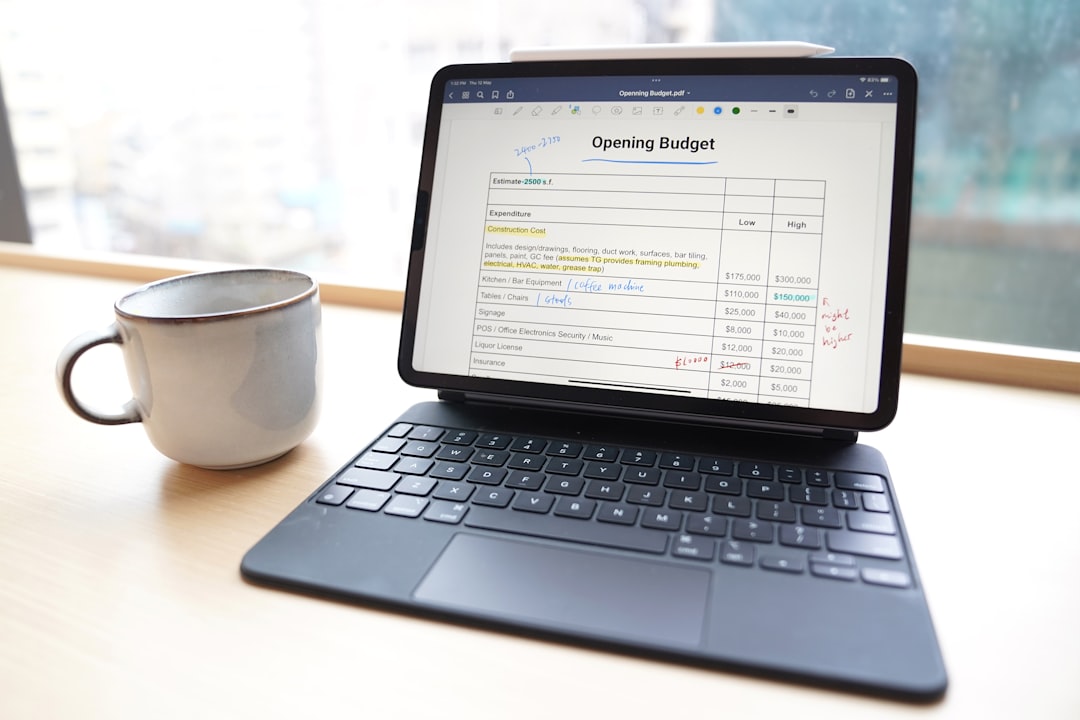
    freelance vs full-time job comparison + a workspace with a laptop and coffee
    freelance vs full-time job comparison + a person working remotely
    freelance vs full-time job comparison + a busy office environment
    freelance vs full-time job comparison + a chart showing career paths