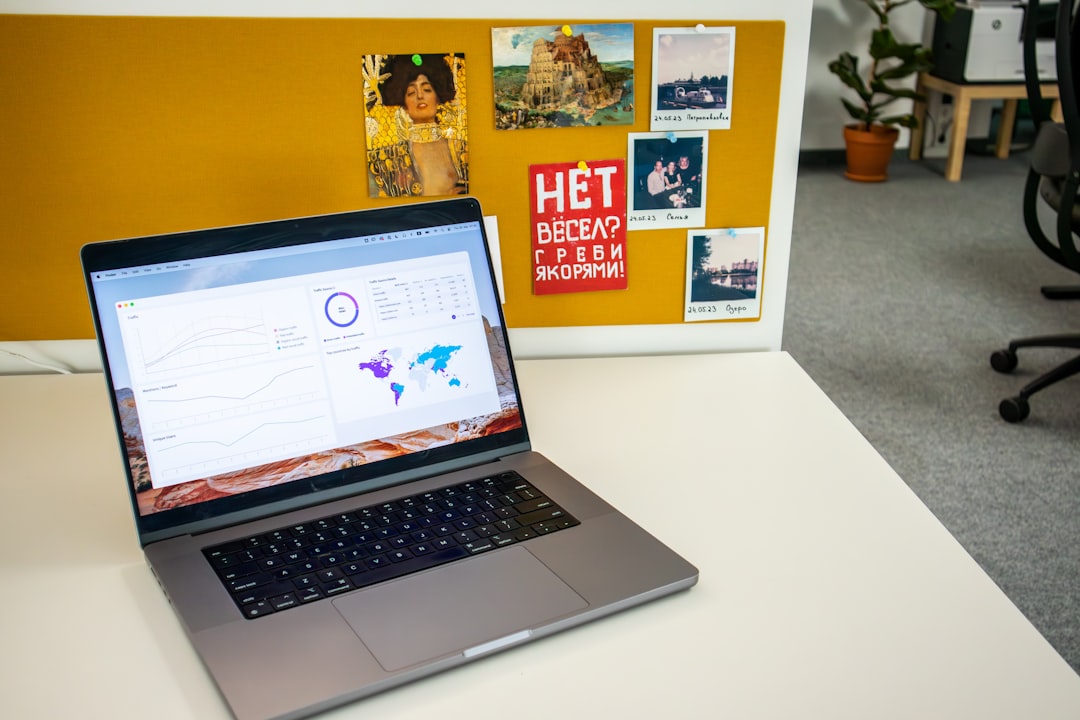
Tag: digital skills

  • Guide To Mastering Digital Skills: 10 Essential Tips 2025

    Guide To Mastering Digital Skills: 10 Essential Tips 2025

    Introduction

    The guide to mastering digital skills is essential in today’s competitive job market. As industries evolve, the demand for digital competencies continues to grow, making it crucial for professionals to enhance their skill sets. Mastering digital skills not only improves career prospects but also opens up opportunities in freelance and remote work, allowing for greater flexibility and innovation in one’s career journey.

    What Are Digital Skills and Why Are They Essential?

    Digital skills refer to the abilities required to use digital devices, communication applications, and networks to access and manage information. These skills are relevant across various industries, from marketing and finance to healthcare and education. As technology advances, the modern workforce increasingly requires proficiency in digital tools and platforms.

    The growing demand for digital skills is evident in job descriptions across sectors, with employers seeking candidates who can navigate digital environments effectively. This trend highlights the need for a comprehensive guide to mastering digital skills to stay competitive in the job market.

    Guide To Mastering Digital Skills: Tip 1 – Identify Your Digital Skill Gaps

    Self-assessment is a crucial first step in your journey towards mastering digital skills. By evaluating your current abilities against industry standards, you can identify areas where improvement is needed. Tools such as skill assessment quizzes and online surveys can provide valuable insights into your existing skill set.

    Resources like LinkedIn Learning and Skillshare also offer assessments to help you pinpoint specific gaps in your knowledge. Understanding these gaps is the foundation of an effective guide to mastering digital skills.

    Tip 2 – Set Clear Learning Goals

    Setting clear learning goals is vital in mastering digital skills. By defining what you want to achieve, you can create a structured plan for your learning journey. Consider using the SMART framework—Specific, Measurable, Achievable, Relevant, and Time-bound—to outline your objectives.

    For example, instead of saying, “I want to learn digital marketing,” a SMART goal would be, “I will complete a digital marketing course on Coursera by the end of this month.” This clarity will guide your efforts and help you stay focused on your guide to mastering digital skills.

    Tip 3 – Leverage Online Training Platforms

    Online training platforms have revolutionized the way we acquire skills. Websites like Coursera, Udemy, and edX offer a plethora of courses on various digital skills. These platforms provide flexibility, allowing you to learn at your own pace and on your own schedule.

    Utilizing these resources is a key component of your guide to mastering digital skills. Courses often include practical assignments, enabling you to apply what you’ve learned in real-world scenarios.

    Tip 4 – Engage in Practical Projects

    Hands-on experience is invaluable when learning digital skills. Engaging in practical projects allows you to apply theoretical knowledge and improve your problem-solving abilities. Consider starting personal projects or collaborating with peers on joint endeavors.

    Examples of projects could include creating a personal website, managing a social media campaign for a local business, or developing a mobile app. These experiences will not only enhance your skills but also enrich your portfolio, making your guide to mastering digital skills even more effective.

    Tip 5 – Network with Digital Professionals

    Networking plays a significant role in the digital career landscape. Connecting with industry professionals can provide insights into best practices and emerging trends. Attend industry events, join LinkedIn groups, or participate in webinars to meet others in your field.

    Building relationships with mentors can also facilitate your learning and provide guidance as you navigate your guide to mastering digital skills. Remember, networking isn’t just about what others can do for you; it’s also about how you can contribute to the community.

    Tip 6 – Stay Updated with Digital Trends

    The digital landscape is ever-evolving, making it crucial to stay informed about the latest trends. Regularly reading industry blogs, subscribing to newsletters, and following thought leaders on social media can help you stay up-to-date.

    Websites like Digital Marketing Institute and TechCrunch are excellent resources for the latest news in digital marketing and technology. Keeping abreast of these trends will enhance your guide to mastering digital skills and ensure your knowledge remains relevant.

    Tip 7 – Utilize Social Media for Learning

    Social media platforms can be powerful tools for learning. Follow industry experts, join groups, and participate in discussions to gain insights and tips. Platforms like Twitter and LinkedIn offer opportunities to engage with content that can enhance your digital skills.

    Consider creating a dedicated list of accounts to follow that align with your learning goals. This proactive approach can significantly enrich your guide to mastering digital skills.

    Tip 8 – Join Online Communities and Forums

    Participating in online communities and forums can provide additional support as you master digital skills. Websites like Reddit, Stack Overflow, and specialized forums offer a platform to ask questions, share experiences, and learn from others.

    Engaging in these communities can also lead to networking opportunities and collaborations, further enriching your guide to mastering digital skills.

    Tip 9 – Measure Your Progress Regularly

    Tracking your progress is vital in mastering digital skills. Regularly check in on your learning goals and assess how far you’ve come. Use tools like spreadsheets or apps designed for goal tracking to monitor your achievements.

    Measuring your progress allows you to adjust your learning strategies and stay motivated, ensuring your guide to mastering digital skills remains effective.

    Tip 10 – Embrace a Growth Mindset

    A growth mindset is crucial for anyone looking to master new skills. This perspective encourages you to view challenges as opportunities for growth rather than obstacles. Cultivating a positive attitude toward learning will help you overcome difficulties and stay committed.

    Consider adopting strategies such as reflecting on your experiences, seeking feedback, and celebrating small victories along the way. These practices will bolster your guide to mastering digital skills and support your long-term success.

    Conclusion: Your Journey to Mastering Digital Skills

    In conclusion, the guide to mastering digital skills encompasses essential tips that can significantly enhance your career advancement. From identifying skill gaps to embracing a growth mindset, each step is crucial for building a strong foundation in the digital landscape. Take actionable steps today—set your learning goals, enroll in courses, and start networking. Your journey towards mastering digital skills starts now, and the opportunities are limitless.

    FAQs about Mastering Digital Skills

    Q: What are the most important digital skills to learn?
    A: The most sought-after digital skills include data analysis, digital marketing, coding, and proficiency in productivity tools.

    Q: How long does it take to master digital skills?
    A: Mastery can vary; however, consistent practice and learning can lead to proficiency in a few months.

    Additional Resources for Learning

    • Books: “Digital Marketing for Dummies”
    • Podcasts: “The Smart Passive Income Podcast”
    • Websites: [anchor text]

    How to Choose the Right Digital Skills to Master

    Consider your career goals, industry demands, and personal interests when selecting which skills to focus on. Research job postings to identify frequently requested skills.

    The Role of Certifications in Digital Careers

    Certifications can validate your expertise and make you more attractive to potential employers. Look for recognized certifications in your field, such as Google Analytics or PMP.

    The Future of Digital Skills in the Job Market

    As technology continues to evolve, so will the demand for digital skills. Staying adaptable and continuously learning will be crucial in future job markets.

    Tips for Overcoming Learning Challenges

    When faced with learning challenges, break tasks into smaller, manageable parts, seek help from peers or mentors, and maintain a positive attitude.

    Balancing Learning with Work and Life

    To integrate skill development into a busy schedule, set aside dedicated time each week for learning, prioritize tasks, and eliminate distractions.

    Success Stories of Digital Skill Mastery

    Many individuals have successfully transitioned to digital careers by consistently applying the strategies outlined in this guide to mastering digital skills. Their stories can serve as inspiration for your journey.

    The Impact of Digital Skills on Remote Work

    Mastering digital skills enhances productivity and effectiveness in remote work settings, allowing for seamless communication and collaboration.

    How to Stay Motivated While Learning

    Maintain motivation by setting clear goals, celebrating progress, and connecting with others who share similar learning journeys.

    Common Mistakes to Avoid When Learning Digital Skills

    Avoid pitfalls such as procrastination, lack of focus, and not seeking help when needed. Stay disciplined and proactive in your learning process.

    The Importance of Feedback in Skill Development

    Regular feedback is essential for continuous improvement. Actively seek feedback from peers, mentors, and online communities to identify areas for growth.

    Building a Portfolio to Showcase Your Skills

    Creating a digital portfolio allows you to demonstrate your competencies and projects to potential employers. Include case studies, certifications, and testimonials to enhance your portfolio.

    Collaborating with Others to Enhance Skills

    Working with others can provide diverse perspectives and enhance your learning experience. Consider forming study groups or collaborating on projects.

    The Role of Mentorship in Developing Digital Skills

    Finding a mentor can greatly accelerate your learning. A mentor can provide guidance, share experiences, and help you navigate challenges in your journey.

    Conclusion: Start Your Journey Today

    Now is the time to take the first step toward mastering digital skills. This guide to mastering digital skills has provided valuable insights and practical tips to help you advance in your career. Embrace the learning process, and remember that every step you take brings you closer to your goals.

    guide to mastering digital skills + person using a laptop
    guide to mastering digital skills + diverse group discussing
    guide to mastering digital skills + online course on a screen

  • Best Platforms For Online Freelance Work: 7 Best 2025 Guide

    Best Platforms For Online Freelance Work: 7 Best 2025 Guide

    In today’s rapidly evolving job market, the best platforms for online freelance work have become essential for those looking to break into the gig economy. With the rise of digital careers, individuals are increasingly turning to freelancing as a viable and sustainable source of income. This article will explore the best platforms for online freelance work in 2025, providing a comprehensive guide to help you navigate the available options.

    Why Choose Freelancing in 2025?

    Freelancing has gained immense popularity in recent years, and 2025 is no exception. The benefits of freelancing include flexibility, autonomy, and the ability to work from anywhere. As remote work continues to thrive, more professionals are recognizing the value of having a freelance career. Additionally, the demand for specialized skills in areas such as digital marketing, graphic design, and software development has never been higher, making it an opportune time to explore freelancing.

    Several trends contribute to the appeal of freelancing in 2025. The shift towards a hybrid work model allows freelancers to engage with clients worldwide, while advancements in technology streamline project management and communication. Furthermore, platforms offering online training in digital skills are proliferating, enabling freelancers to continually upskill and stay competitive in the market.

    What to Look for in the Best Platforms for Online Freelance Work

    When evaluating the best platforms for online freelance work, several criteria should be considered. First and foremost, the user interface should be intuitive and easy to navigate, allowing freelancers to find jobs quickly and efficiently. Payment security is also crucial; platforms that offer secure payment methods and clear terms of service help protect freelancers from potential scams.

    Another important factor is job variety. A good platform should cater to various niches, offering a wide range of projects that align with freelancers’ skills. Additionally, consider the platform’s reputation, user reviews, and support services, as these can significantly impact your overall experience.

    Top 7 Best Platforms for Online Freelance Work in 2025

    1. Upwork

    Upwork is one of the most recognized platforms for freelancers, offering a vast range of job opportunities across various industries. With its user-friendly interface, freelancers can easily create profiles, showcase their skills, and apply for jobs. Upwork also provides features such as time-tracking tools and a secure payment system, making it a top choice for many. User ratings indicate a high level of satisfaction, particularly in categories like customer support and job variety.

    best platforms for online freelance work Upwork overview

    For more insights on Upwork’s features, visit Upwork’s official site.

    2. Fiverr

    Fiverr has gained popularity due to its gig-based structure, allowing freelancers to offer specific services at set prices. This model benefits both clients and freelancers, as it simplifies the hiring process. The platform has seen tremendous growth, attracting a diverse user base. Freelancers can create multiple gigs, showcasing their unique skills while clients can easily browse and select the services they need.

    best platforms for online freelance work Fiverr gig offerings

    3. Freelancer

    Freelancer operates on a bidding system where freelancers can submit proposals for projects they want to work on. This platform offers a wide variety of job types, from creative tasks to technical projects. While some users appreciate the competitive nature of the bidding process, others find it challenging to secure jobs. Pros and cons vary among users, making it essential to weigh your options before diving in. For more insights, check out Real Estate Investing For Beginners Guide:.

    best platforms for online freelance work Freelancer bidding system

    4. Toptal

    Toptal stands out by focusing on top-tier freelancers, employing a rigorous selection process to ensure only the best talent is available to clients. This platform is ideal for freelancers in tech, finance, and design looking for high-quality projects. While Toptal may have a more demanding entry process, the benefits include access to premium clients and projects that pay well.

    best platforms for online freelance work Toptal premium projects

    5. Guru

    Guru is another popular platform known for its flexibility and user-friendly features. The workroom feature allows freelancers to collaborate seamlessly with clients, managing projects efficiently. Additionally, Guru supports various payment methods, including milestone payments, which can be advantageous for long-term projects. This platform caters well to freelancers seeking ongoing work with established clients.

    best platforms for online freelance work Guru workroom feature

    6. PeoplePerHour

    PeoplePerHour is a UK-based platform that emphasizes local projects, making it an excellent choice for freelancers in the region. The platform allows freelancers to showcase their skills and connect with clients looking for immediate help. Freelancers can easily create profiles tailored to their expertise, and the job variety available caters to many different skills.

    best platforms for online freelance work PeoplePerHour local projects

    7. 99designs

    99designs is specifically tailored for designers, providing a platform to connect with clients seeking design work. Freelancers can participate in design contests or accept one-on-one projects, allowing them to showcase their creativity. The platform’s focus on design helps streamline the hiring process for clients, making it a top choice for creative professionals.

    best platforms for online freelance work 99designs designer connection

    Comparing the Best Platforms for Online Freelance Work

    Platform User Interface Job Variety Payment Security Fees
    Upwork Intuitive High Secure 20%
    Fiverr User-friendly Medium Secure 20%
    Freelancer Moderate High Secure 10%
    Toptal Professional Specialized Secure 20%
    Guru User-friendly Medium Secure 5-9%
    PeoplePerHour User-friendly Medium Secure 20%
    99designs Simple Niche Secure 15%

    Tips for Success on Freelance Platforms

    To stand out on the best platforms for online freelance work, creating a compelling profile is essential. Highlight your skills, experiences, and showcase a portfolio that reflects your best work. Remember, client reviews can significantly impact your credibility, so encourage satisfied clients to leave positive feedback.

    Also, consider tailoring your proposals to fit the specific needs of each project. This personalized approach can help you secure more jobs and build long-term relationships with clients.

    Common Challenges on Freelance Platforms

    While freelancing offers many benefits, it also comes with challenges. Freelancers may encounter issues such as lack of job security, competition from other freelancers, and difficulty in establishing a steady income. To overcome these hurdles, it’s important to diversify your income streams and continuously enhance your skills.

    Networking within and outside your chosen platform can also provide additional opportunities. Joining relevant online communities and attending virtual events can help you stay connected and informed about industry trends.

    Future Trends in Online Freelance Work

    The freelance landscape is constantly evolving, and several trends are shaping its future. As technology advances, tools for project management, communication, and collaboration will become more streamlined, making it easier for freelancers to manage their workloads. Additionally, the demand for digital skills will continue to grow, highlighting the importance of online training and continuous learning.

    Moreover, as remote work becomes more ingrained in corporate culture, the best platforms for online freelance work will likely expand their offerings and improve user experience, further fostering the growth of the freelance economy.

    Conclusion

    Choosing the right platform is pivotal for success in the world of freelancing. The best platforms for online freelance work can help you connect with clients, showcase your skills, and navigate the gig economy effectively. Whether you decide to join Upwork, Fiverr, or any other platform, remember to consider your unique skills and preferences. For more insights, check out Ai Tools For Enhancing Customer Service:.

    As you explore the best platforms for online freelance work, take note of your goals and the type of projects you want to pursue. Equip yourself with the necessary skills and tools, and don’t hesitate to join multiple platforms to maximize your opportunities.

    Ready to take the plunge? Start by signing up on one or more of the best platforms for online freelance work today!

    FAQs About Freelancing Platforms

    What are the best platforms for online freelance work for beginners?

    For beginners, platforms like Fiverr and Upwork are often recommended due to their user-friendly interfaces and educational resources.

    How do I get paid on freelance platforms?

    Most freelance platforms offer secure payment methods, including direct bank transfers, PayPal, and other payment processors, ensuring you receive your earnings safely.

    Can I work on multiple platforms simultaneously?

    Yes, many freelancers choose to work on multiple platforms to diversify their income and increase their chances of securing projects.

    What is the best platform for digital marketing freelancers?

    Upwork and Freelancer are excellent platforms for digital marketing freelancers, offering a wide range of projects in that niche.

    Are there fees associated with freelance platforms?

    Yes, most platforms charge fees, typically ranging from 5% to 20% of your earnings, depending on the platform and the scope of the project.

    Call to Action

    Have you tried any of the best platforms for online freelance work? Share your experiences and favorite platforms in the comments below! If you’re looking for more tips on succeeding in your digital career, don’t forget to subscribe for the latest updates and guides.

  • How To Transition To A Freelance Career: 7 Essential Tips 2025

    How To Transition To A Freelance Career: 7 Essential Tips 2025

    Introduction

    In 2025, the landscape of work is rapidly transforming, with freelancing becoming a prominent choice for many professionals. Understanding how to transition to a freelance career is essential for those looking to enjoy increased flexibility and autonomy in their work life. A structured approach can make this transition smoother, helping you navigate the complexities of freelancing while maximizing your potential for success.

    Understanding Freelancing: What It Means for Your Career

    Freelancing refers to working independently, offering services to various clients without being tied to a single employer. This career path allows for unparalleled flexibility, enabling you to choose your projects, set your hours, and work from anywhere. However, it also comes with unique challenges, such as inconsistent income and the need for self-discipline.

    How to Transition to a Freelance Career: Assessing Your Skills

    One of the first steps in how to transition to a freelance career is to evaluate your current skill set. Assessing your strengths and identifying transferable skills is crucial for determining what services you can offer as a freelancer. Consider formal education, work experience, and personal projects that showcase your abilities.

    Creating a Solid Freelance Business Plan

    A well-thought-out business plan is vital for establishing your freelance career. Your plan should include:

    • Target Market: Identify your ideal clients.
    • Services Offered: Clearly define what you will provide.
    • Marketing Strategy: Outline how you will attract clients.
    • Financial Projections: Estimate your income and expenses.

    These components will guide your efforts and keep you focused as you transition to freelancing.

    Building Your Personal Brand: A Key to Freelance Success

    In the competitive freelance marketplace, personal branding is essential. Your brand reflects who you are and what you stand for. To build a strong personal brand, consider the following:

    • Develop a professional logo and consistent color scheme.
    • Create a unique value proposition that highlights your strengths.
    • Utilize social media to showcase your expertise.

    By presenting a cohesive brand, you can attract the right clients and opportunities.

    How to Transition to a Freelance Career: Establishing Your Online Presence

    Establishing a robust online presence is crucial for freelancers. Here are the essential steps:

    1. Create an Online Portfolio: Showcase your work and highlight your skills.
    2. Optimize Social Media Profiles: Ensure your profiles reflect your professional brand.
    3. Use Freelance Platforms: Join sites like Upwork or Freelancer to gain visibility.

    A strong online presence will help you reach a wider audience and attract potential clients.

    Networking for Freelancers: Expanding Your Connections

    Networking is a vital component of freelance success. Building relationships within the freelance community can lead to referrals and collaborations. Attend industry events, join online forums, and connect with other freelancers on platforms like LinkedIn. These connections can provide support and open new doors for business opportunities.

    Setting Your Freelance Rates: What You Need to Know

    Determining your freelance rates is a crucial step in how to transition to a freelance career. Research industry standards and consider factors such as:

    • Your experience level
    • The complexity of the projects
    • Your target market’s budget

    Set competitive yet fair rates to ensure you are compensated adequately for your work.

    How to Transition to a Freelance Career: Time Management Strategies for Success

    Effective time management is essential for freelancers. Here are some strategies to enhance your productivity:

    • Set Clear Goals: Define daily, weekly, and monthly objectives.
    • Use Productivity Tools: Consider tools like Trello or Asana to organize tasks.
    • Establish a Routine: Create a consistent work schedule to maintain discipline.

    Implementing these strategies can greatly improve your efficiency as a freelancer.

    Leveraging Online Training for Skill Enhancement

    Continuous learning is vital in the freelancing world. Online courses and certifications can enhance your digital skills, making you more marketable. Platforms like Coursera or Udemy offer numerous courses tailored to various industries, allowing you to stay competitive and expand your service offerings.

    Finding Your Niche in the Freelance Market

    Identifying a niche that aligns with your skills and market demand can set you apart from competitors. Analyze your strengths and interests, and research market trends to find a profitable niche. Specializing can help you attract clients looking for specific expertise.

    Tools and Resources for New Freelancers

    Several tools can support you in your freelance journey:

    • Project Management: Trello, Asana
    • Invoicing: FreshBooks, Wave
    • Communication: Slack, Zoom

    These resources can streamline your workflow and enhance client interactions.

    How to Transition to a Freelance Career: Common Pitfalls to Avoid

    As you embark on your freelance journey, be aware of common pitfalls. Avoid underpricing your services, neglecting contracts, and failing to save for taxes. These mistakes can undermine your business and lead to financial strain. Always prioritize professionalism and financial planning.

    Creating a Client Acquisition Strategy

    Securing clients is essential for a successful freelance career. Consider various methods for client acquisition:

    • Networking events
    • Online job boards
    • Social media marketing

    Developing a well-rounded strategy can help you consistently find new clients.

    The Importance of Client Communication

    Effective communication with clients is crucial for project success. Set clear expectations, maintain regular updates, and be responsive to inquiries. Good communication fosters strong relationships and encourages repeat business.

    Managing Finances as a Freelancer

    Financial management is a key aspect of freelancing. Here are some tips:

    • Budget your expenses and income.
    • Use invoicing software to streamline billing.
    • Set aside money for taxes and retirement.

    Proper financial planning can ensure stability in your freelance career.

    Setting Up a Productive Home Office

    Creating a conducive workspace is vital for productivity. Choose a quiet area, invest in ergonomic furniture, and minimize distractions. A well-organized office can enhance focus and efficiency.

    How to Transition to a Freelance Career: Staying Motivated

    Maintaining motivation is essential in a freelance setting. Set personal goals, reward yourself for accomplishments, and connect with other freelancers for support. Finding a work-life balance can also help sustain motivation over time.

    Building a Portfolio: Showcasing Your Work

    A strong portfolio is your calling card as a freelancer. Curate your best work and ensure it reflects your skills and expertise. Include case studies, testimonials, and a variety of projects to demonstrate your range.

    Understanding Freelance Taxes and Legalities

    Freelancers must navigate tax obligations and legal considerations. Familiarize yourself with local tax laws, and consider working with an accountant to ensure compliance. Additionally, understand the importance of contracts to protect your rights and outline project expectations.

    The Role of Feedback in Freelancing

    Feedback is essential for growth in freelancing. Actively seek feedback from clients to improve your services. Use constructive criticism to refine your approach and enhance your skills.

    Scaling Your Freelance Business

    To grow your freelance business, consider expanding your service offerings or targeting new markets. Networking and continuing education can also help you scale effectively. Aim to increase your income gradually while maintaining quality service.

    How to Transition to a Freelance Career: Long-Term Goals and Growth

    As you transition to a freelance career, setting long-term goals is crucial. Consider where you want to be in five years, and develop a strategy to achieve those goals. Continuous growth and adaptation are vital to sustaining success in the freelance world.

    Conclusion

    In summary, knowing how to transition to a freelance career involves understanding the fundamentals of freelancing, assessing your skills, and creating a solid plan. By building your personal brand, establishing an online presence, and networking effectively, you can attract clients and opportunities. Remember to manage your finances and stay motivated as you grow your freelance business. As you embark on this journey, take actionable steps towards your goals and embrace the freedom that comes with being a freelancer.

    For further insights on how to transition to a freelance career, explore our resources on [digital marketing](#), [productivity tips](#), and [online training](#) to help you on your path. Start today and take control of your professional future!

    how to transition to a freelance career - workspace setup
    how to transition to a freelance career - networking event
    how to transition to a freelance career - online portfolio
    how to transition to a freelance career - client meeting

  • Freelance Vs Traditional Job Comparison: 7 Best Tips For 2025

    Freelance Vs Traditional Job Comparison: 7 Best Tips For 2025

    Understanding Freelance Vs Traditional Job Comparison

    The freelance vs traditional job comparison is essential for anyone contemplating their career path in 2025. Freelancing typically involves working independently for various clients, while traditional jobs usually imply employment with a single organization. Understanding these definitions helps clarify the key characteristics and differences between both options.

    Freelancers enjoy flexibility in their work hours and locations, allowing them to choose their clients and projects. In contrast, traditional employees often have set schedules and defined roles within a company. This fundamental difference significantly impacts work-life balance, income stability, and job satisfaction.

    The Rise of Freelancing: Why It Matters in 2025

    Freelancing is experiencing a meteoric rise in the digital age. In 2025, it’s projected that over 50% of the workforce will engage in some form of freelance work. This trend underscores a critical shift in how people perceive work, with many choosing freelancing for its autonomy and diverse opportunities.

    Remote work facilitates this growth, allowing freelancers to connect with clients globally. This connectivity not only broadens the job market but also promotes a more dynamic and competitive environment. Understanding the implications of this shift is crucial for job seekers navigating their career options.

    Freelance Vs Traditional Job Comparison: Key Factors to Consider

    • Flexibility: Freelancers can set their schedules, while traditional jobs often require adherence to specific hours.
    • Income Stability: Traditional jobs typically provide a consistent paycheck, whereas freelancers may experience fluctuating income.
    • Work-Life Balance: Freelancers often have more control over their workloads, which can enhance personal time.

    7 Best Tips for Choosing Between Freelance and Traditional Jobs

    Tip 1: Assess Your Skills for Freelancing

    To make an informed decision, evaluate your digital skills and how they align with freelancing opportunities. Are you proficient in graphic design, writing, or coding? These skills are in high demand in the freelance marketplace. Consider taking online courses to enhance your qualifications, which can further boost your employability in either career path.

    Tip 2: Stability vs. Flexibility in Job Types

    Analyze the trade-offs between stability in traditional roles and flexibility in freelance work. A traditional job may provide benefits like health insurance and retirement plans, which can be appealing for those valuing financial security. However, freelancers often prioritize the freedom to choose projects and set their hours, making it crucial to weigh these factors against your personal preferences and lifestyle.

    Tip 3: Understanding Income Potential

    In the freelance vs traditional job comparison, income potential is a significant consideration. While traditional jobs often offer a steady salary, freelancers can charge varying rates based on their expertise and the market demand for their skills. Research industry standards to understand what you can realistically earn in either capacity, which can aid in your decision-making process.

    Tip 4: Work-Life Balance: Freelance Vs Traditional Job Comparison

    Investigate how each job type influences personal time and productivity. Freelancers may have the flexibility to work when they are most productive, but they must also manage their time effectively to meet deadlines. Traditional employees may have set hours, which can provide structure but may limit personal time. Finding the right balance that suits your lifestyle is vital.

    Tip 5: The Importance of Networking

    Networking opportunities differ between freelance and traditional employment. Freelancers must actively seek out connections, as their success often depends on referrals and building a client base. Conversely, traditional employees can benefit from established networks within their companies. Expanding your professional network should be a priority, regardless of your chosen path.

    Tip 6: Online Training and Skill Development

    Continuous learning is crucial for both career paths. In the rapidly evolving digital landscape, staying updated with the latest skills can set you apart. Take advantage of online training platforms to enhance your qualifications whether you’re freelancing or pursuing a traditional job. This commitment to skill development can open new doors in your career.

    Tip 7: Making a Smooth Career Change

    If you’re considering transitioning between freelance and traditional employment, plan your move carefully. Assess your current financial situation, update your resume, and network with individuals in your desired field. A strategic approach can ease the transition and increase your chances of success.

    Pros and Cons of Freelance Vs Traditional Jobs

    Aspect Freelance Traditional Job
    Flexibility High Low
    Income Stability Variable Consistent
    Work-Life Balance Potentially Better Structured
    Benefits Usually None Often Included

    Productivity Tips for Freelancers in 2025

    Maximizing productivity as a freelancer is crucial for long-term success. Create a dedicated workspace, set clear goals, and utilize productivity tools to manage your time effectively. Adopting these strategies can help you stay focused and deliver quality work to your clients.

    How Digital Marketing Skills Influence Job Choices

    Digital marketing skills are increasingly valuable in both freelance and traditional careers. Professionals with expertise in SEO, content marketing, and social media management can leverage their skills to enhance their employability in various roles. Understanding how these skills impact your job choices can inform your career strategy moving forward.

    Future Trends in Freelancing and Traditional Jobs

    The job market is evolving rapidly, with predictions indicating that freelancing will become even more mainstream. As businesses adapt to remote work and flexible arrangements, job seekers must stay informed about upcoming trends. Understanding these shifts can help you position yourself effectively in this changing landscape.

    Conclusion: Making the Right Choice for Your Career

    The freelance vs traditional job comparison offers valuable insights into your career choices for 2025. By considering factors such as flexibility, stability, and income potential, you can make informed decisions that align with your goals. Whether you choose to pursue freelancing or a traditional job, prioritizing skill development and networking will enhance your opportunities and career satisfaction.

    Now that you have a clearer understanding of the freelance vs traditional job comparison, reflect on your personal career goals and determine the path that best suits your aspirations. Take the next steps in your journey by assessing your skills and exploring relevant training options. Your future career awaits!

    FAQs About Freelance Vs Traditional Job Comparison

    Q1: What are the main differences between freelance and traditional jobs?

    A1: Freelance jobs offer flexibility and independence, while traditional jobs provide stability and benefits.

    Q2: Can I transition from a traditional job to freelancing?

    A2: Yes, many professionals successfully transition to freelancing by building a client base and developing relevant skills.

    Q3: How can I assess my skills for freelancing?

    A3: Evaluate your current skills, research market demand, and consider taking online courses to enhance your qualifications.

    Q4: What online platforms can help me find freelance work?

    A4: Websites like Upwork, Freelancer, and Fiverr are great platforms for finding freelance opportunities.

  • Top Digital Skills For Remote Work: 7 Best For 2025

    Top Digital Skills For Remote Work: 7 Best For 2025

    Introduction to Top Digital Skills for Remote Work

    The top digital skills for remote work are becoming increasingly vital in today’s rapidly changing job landscape. With more organizations embracing flexible work arrangements, having the right digital competencies can set you apart from the competition. As we approach 2025, understanding and mastering these skills will not only enhance your employability but also improve your productivity and collaboration in a remote setting.

    Why You Need Top Digital Skills for Remote Work in 2025

    The demand for digital skills is skyrocketing, driven by advancements in technology and shifts in workplace dynamics. Companies are looking for candidates who can seamlessly adapt to remote environments while utilizing digital tools to maximize efficiency. Skills in areas such as digital marketing, data analysis, and project management are not just beneficial; they are essential for career growth in a remote work environment. Moreover, acquiring these skills can lead to higher earning potential and more job opportunities.

    Skill #1: Digital Marketing

    Digital marketing stands out as one of the top digital skills for remote work. In an online-first world, understanding SEO, content marketing, and social media strategies is crucial. Companies need professionals who can effectively promote their products and services, driving traffic and engagement through various digital channels. Mastering these skills can open doors to freelance opportunities and help you build a strong personal brand.

    top digital skills for remote work: digital marketing strategy

    Skill #2: Data Analysis

    In the age of big data, data analysis is an indispensable skill for remote workers. It involves interpreting complex data sets to inform decision-making and enhance productivity within teams. Proficiency in tools like Google Analytics and Excel will not only help you derive insights but also allow you to contribute significantly to your organization’s strategic objectives. Understanding data trends can set you apart in a competitive job market.

    Skill #3: Project Management Tools

    Familiarity with project management tools is essential for successful remote collaboration. Platforms like Trello, Asana, and Monday.com enable teams to plan, execute, and monitor projects effectively. By mastering these tools, you can streamline workflows, ensure accountability, and maintain clarity across tasks. This skill is particularly valuable as remote teams often lack the in-person oversight that traditional offices provide.

    top digital skills for remote work: project management tools

    Skill #4: Cybersecurity Awareness

    As remote work increases, so does the risk of cyber threats. Cybersecurity awareness is one of the top digital skills for remote work that every professional should possess. Understanding how to protect sensitive information and recognizing potential security breaches is crucial. With the rise of remote work, employers prioritize candidates who can safeguard their data and maintain confidentiality.

    Skill #5: Communication Tools Proficiency

    Effective communication is the backbone of remote work success. Mastering tools like Zoom, Slack, and Microsoft Teams is essential for maintaining clear and consistent communication among team members. These tools facilitate real-time discussions, collaborative efforts, and project updates, ensuring that everyone is on the same page. Proficiency in communication tools can significantly enhance your productivity and the overall teamwork experience.

    top digital skills for remote work: communication tools

    Skill #6: Cloud Computing

    Cloud computing skills are increasingly relevant for remote workers. Familiarity with platforms like Google Cloud, Microsoft Azure, and AWS allows individuals to access files from anywhere and collaborate effectively with team members. Understanding how to leverage cloud technologies can enhance your ability to work remotely, making it easier to share resources and manage projects seamlessly.

    Skill #7: UX/UI Design

    In a digitally driven world, UX/UI design skills are paramount for creating user-friendly products. Understanding user experience principles and interface design enhances the development of applications and websites, which is particularly important in remote product teams. This skill not only improves product engagement but also elevates your profile in the job market as companies seek designers who can create intuitive and appealing user experiences.

    top digital skills for remote work: UX/UI design

    How to Acquire These Top Digital Skills for Remote Work

    Acquiring the top digital skills for remote work is more accessible than ever thanks to various online training resources. Platforms like Coursera, Udemy, and LinkedIn Learning offer courses tailored to these skills. Additionally, many universities provide online degrees and certifications in digital marketing, data analysis, and cybersecurity. Engaging in practical projects and seeking mentorship can further enhance your learning experience.

    Benefits of Mastering Top Digital Skills for Remote Work

    Mastering the top digital skills for remote work comes with numerous advantages. These skills can lead to increased job opportunities, higher earning potential, and enhanced job satisfaction. Professionals equipped with these competencies are often viewed as valuable assets to their organizations, paving the way for career advancement and stability in a competitive job market.

    Conclusion: Preparing for the Future of Remote Work

    In summary, the top digital skills for remote work will be essential for navigating the evolving job landscape of 2025 and beyond. By focusing on skills such as digital marketing, data analysis, and effective communication, you can position yourself as a strong candidate in the remote work environment. Continuous learning and skill development will be crucial to staying relevant and competitive. Start exploring online courses today to equip yourself with these invaluable skills!

    The Future of Remote Work: Trends to Watch

    As remote work evolves, trends such as increased reliance on AI and automation, the rise of hybrid work models, and a focus on employee well-being will shape the future. Keeping an eye on these trends will help you adapt and thrive in a remote work environment.

    How Digital Marketing Skills Enhance Freelance Opportunities

    Digital marketing skills provide freelancers with a competitive edge, enabling them to attract clients and grow their businesses. Learning how to market oneself effectively can lead to more gigs and higher pay rates.

    Tools for Data Analysis: What You Need to Know

    Popular tools like Google Analytics, Tableau, and Excel are essential for data analysis. Familiarity with these tools can help you extract meaningful insights from data, making you a valuable team member.

    Top Project Management Tools for Remote Teams

    Tool Features Best For
    Trello Kanban boards, task management Visual project tracking
    Asana Task assignments, project timelines Collaborative teams
    Monday.com Custom workflows, automation Complex projects

    Cybersecurity Best Practices for Remote Workers

    • Use strong, unique passwords for all accounts.
    • Enable two-factor authentication wherever possible.
    • Keep software and systems updated.
    • Avoid public Wi-Fi for sensitive work.
    • Educate yourself on phishing scams.

    Effective Communication Strategies for Remote Teams

    To maintain clear communication, consider the following strategies:

    • Schedule regular check-ins and updates.
    • Use video calls for more personal interaction.
    • Utilize collaborative tools for shared documents.
    • Encourage open feedback and communication.

    Cloud Computing Platforms to Explore

    Leading cloud computing services like AWS, Google Cloud, and Microsoft Azure offer vast resources for remote work. Familiarizing yourself with these platforms can greatly enhance your collaborative capabilities.

    The Role of UX/UI in Remote Product Development

    UX/UI design plays a crucial role in remote product development by ensuring that products are user-centric and functional. This skill helps teams create products that meet user needs effectively.

    Online Learning Platforms for Digital Skills

    Consider platforms like [Coursera](https://www.coursera.org), [Udemy](https://www.udemy.com), and [LinkedIn Learning](https://www.linkedin.com/learning) for structured learning paths in various digital skills. These platforms offer courses from industry experts and allow you to learn at your own pace.

    Networking Tips for Digital Professionals

    Building a professional network while working remotely can be challenging. Attend virtual conferences, join online forums, and participate in relevant social media groups to connect with other professionals in your field.

    How to Showcase Your Digital Skills on Your Resume

    Highlight your digital skills by including specific tools and technologies you are proficient in. Use quantifiable achievements to demonstrate your impact and relevance in a remote work environment.

    The Impact of Remote Work on Work-Life Balance

    Mastering digital skills can lead to better work-life balance by enabling you to work more efficiently and effectively. With the right skills, you can manage your time better and enjoy the flexibility that remote work offers.

    Freelancing vs. Traditional Employment: Which is Better?

    Freelancing offers flexibility and autonomy, while traditional employment provides stability and benefits. Ultimately, the choice depends on your personal preferences and career goals.

    Building a Personal Brand as a Remote Worker

    Establishing a strong personal brand online can help you stand out in the remote job market. Share your expertise through blogs, social media, and networking to enhance your visibility.

    Staying Productive While Working Remotely

    Enhance your productivity by setting clear goals, creating a dedicated workspace, and utilizing productivity tools. Maintaining a routine can also help keep you focused and motivated.

    The Importance of Continuous Learning in Digital Careers

    In the fast-paced digital landscape, continuous learning is essential. Stay updated with industry trends and advancements to remain competitive and relevant in your career.

    Finding Remote Job Opportunities in 2025

    Explore job boards like [Remote.co](https://remote.co), [We Work Remotely](https://weworkremotely.com), and [FlexJobs](https://www.flexjobs.com) to discover remote job opportunities tailored to your skills and interests.

  • How To Improve Productivity While Working From Home: 7 Best Tips 2025

    Introduction: The Importance of Productivity in Remote Work

    Understanding how to improve productivity while working from home has become essential as remote work continues to grow. The shift towards remote employment has reshaped our work environments, leading to both opportunities and challenges in maintaining effective productivity levels. In this article, we will explore key strategies to enhance your productivity while working from home, helping you to thrive in this evolving landscape.

    Understanding the Challenges of Working from Home

    While working from home offers flexibility, it also presents unique challenges that can hinder productivity. Common distractions include household chores, family members, and the allure of leisure activities. Additionally, the lack of a structured environment can make it difficult to maintain focus and motivation. By identifying these challenges, you can take proactive steps to mitigate their impact and learn how to improve productivity while working from home.

    How to Improve Productivity While Working From Home: Tip #1 – Set Up a Dedicated Workspace

    Creating a dedicated workspace is crucial for enhancing focus and productivity. A specific area for work helps to mentally separate professional tasks from personal life, enabling a more concentrated work effort.

    Choosing the Right Location

    Selecting the best spot in your home for a workspace can significantly influence your productivity. Look for a quiet area with minimal foot traffic and natural light, which can help you feel more energized and focused. Ensure that this space is free from distractions and equipped with everything you need to succeed.

    Essential Equipment for Your Workspace

    Investing in the right tools and technology is essential for optimizing your work environment. Consider essential items such as a comfortable office chair, a large monitor, high-speed internet, and noise-cancelling headphones. These tools can greatly enhance your ability to concentrate and complete tasks efficiently.

    how to improve productivity while working from home - a dedicated workspace with a computer and plants

    How to Improve Productivity While Working From Home: Tip #2 – Create a Structured Schedule

    A structured schedule is vital for maximizing productivity. Establishing a daily routine helps to set clear expectations for your workday and manages time effectively.

    Time Blocking Techniques

    Time blocking is a powerful technique that involves dividing your workday into specific blocks dedicated to different tasks. This method not only helps in prioritizing work but also reduces the tendency to multitask, which can lead to decreased productivity.

    The Role of Breaks in Productivity

    Scheduled breaks are essential for maintaining high productivity levels. Regular short breaks can rejuvenate your mind, preventing burnout and enhancing overall focus. Consider techniques like the Pomodoro Technique, where you work for 25 minutes followed by a 5-minute break, to keep your energy levels high.

    How to Improve Productivity While Working From Home: Tip #3 – Leverage Digital Tools

    Utilizing digital tools can significantly facilitate productivity when working remotely. These tools can streamline processes and improve collaboration among team members. For more insights, check out Best Budgeting Apps For Personal Finance:.

    Project Management Software

    Popular project management tools like Trello, Asana, and ClickUp are excellent for freelancers and teams alike. They help in tracking project progress, assigning tasks, and setting deadlines, ensuring that everyone stays on the same page.

    Communication Platforms for Remote Teams

    Effective communication is key to successful remote work. Platforms like Slack and Microsoft Teams offer features that enhance collaboration, allowing for quick messaging, video calls, and file sharing, which are crucial for team cohesion.

    how to improve productivity while working from home - digital tools for communication

    How to Improve Productivity While Working From Home: Tip #4 – Minimize Distractions

    Reducing interruptions during work hours is vital for maintaining productivity. Implementing effective strategies can help you stay focused on tasks without losing momentum.

    Setting Boundaries with Family and Friends

    Communicating your work hours to household members is essential. Setting clear boundaries can help minimize interruptions and establish a professional atmosphere within your home.

    Using Focus Techniques

    Incorporating focus techniques like the Pomodoro Technique or the Two-Minute Rule can help you manage distractions effectively. These methods encourage short bursts of focused work followed by breaks, which can enhance concentration and productivity.

    How to Improve Productivity While Working From Home: Tip #5 – Prioritize Self-Care

    Mental and physical health play a significant role in overall productivity. Prioritizing self-care is essential for maintaining high performance while working remotely.

    Exercise and Its Impact on Focus

    Regular exercise is proven to boost cognitive function and enhance productivity. Even short workouts can invigorate your mind and body, leading to improved focus and efficiency in your tasks.

    Mindfulness and Meditation Practices

    Integrating mindfulness exercises into your daily routine can improve concentration and reduce stress. Simple practices like deep breathing or guided meditation can be effective in enhancing your mental clarity.

    How to Improve Productivity While Working From Home: Tip #6 – Continuous Learning and Skill Development

    Investing in continuous learning is crucial for long-term success in the digital landscape. Enhancing your skills can help you stay competitive and productive.

    Online Courses for Career Advancement

    Platforms like Coursera and Udemy offer a variety of online courses that focus on digital skills relevant to the current job market. These courses can help you develop new skills that enhance your productivity and career prospects.

    Networking Opportunities in the Digital Space

    Engaging with other professionals online can open doors to new opportunities. Join industry-related groups on platforms like LinkedIn to exchange ideas and learn from others in your field. For more insights, check out Guide To Using Ai For Marketing.

    how to improve productivity while working from home - online learning and networking

    How to Improve Productivity While Working From Home: Tip #7 – Evaluate and Adjust Your Strategies

    Regularly assessing your productivity strategies is essential for continuous improvement. This allows you to identify what works and what doesn’t, enabling you to make necessary adjustments.

    Setting Measurable Goals

    Setting SMART goals (Specific, Measurable, Achievable, Relevant, Time-bound) can help you track your productivity and ensure that you are working towards specific outcomes. This clarity can be motivating and help you maintain focus.

    Reflecting on Your Progress

    Take time to reflect on your progress periodically. Understanding what strategies have been effective and which need adjustment can enhance your productivity while working from home.

    Conclusion: Embracing the Future of Remote Work

    In summary, learning how to improve productivity while working from home is crucial for anyone navigating remote work. By setting up a dedicated workspace, creating a structured schedule, leveraging digital tools, minimizing distractions, prioritizing self-care, investing in continuous learning, and regularly evaluating your strategies, you can significantly enhance your productivity. Embrace these tips and take proactive steps to ensure your success in this evolving work environment.

    To implement these strategies effectively, start by choosing one or two tips to focus on this week. As you become comfortable with these changes, gradually incorporate more practices to fully optimize your productivity while working from home. Don’t wait—begin transforming your remote work experience today!

    FAQs About Improving Productivity While Working From Home

    What are the best tools for remote work?

    Some of the best tools for remote work include Trello for project management, Slack for communication, and Zoom for video conferencing. These tools can greatly enhance workflow and collaboration.

    How can I stay motivated while working from home?

    Staying motivated while working from home can be achieved by creating a structured schedule, setting clear goals, and incorporating regular breaks to refresh your mind.

    Are there specific productivity techniques for freelancers?

    Freelancers can benefit from techniques like time blocking, the Pomodoro Technique, and maintaining an organized workspace. These strategies can help freelancers manage their time effectively and stay focused on tasks.

    how to improve productivity while working from home - a checklist of tips

    Tip Description
    Set Up a Dedicated Workspace Create a specific area for work to enhance focus.
    Create a Structured Schedule Establish a daily routine to manage time effectively.
    Leverage Digital Tools Utilize tools for project management and communication.
    Minimize Distractions Implement strategies to reduce interruptions.
    Prioritize Self-Care Focus on mental and physical health to boost productivity.
    Continuous Learning Engage in online courses and networking opportunities.
    Evaluate Strategies Regularly assess and adjust your productivity approaches.
    • Create a dedicated workspace
    • Establish a structured daily schedule
    • Use digital tools for management and communication
    • Minimize distractions and set boundaries
    • Incorporate self-care practices
    • Invest in continuous learning and skill development
    • Evaluate and adjust your productivity strategies regularly
  • Guide To Online Training For Career Advancement: 7 Best Tips 2025

    Guide To Online Training For Career Advancement: 7 Best Tips 2025

    Understanding the Importance of Online Training for Career Advancement

    The guide to online training for career advancement has never been more relevant than in today’s fast-paced job market. With rapid technological advancements and shifting industry demands, individuals must continuously update their skills to remain competitive. Online training provides a flexible and accessible way to gain the knowledge necessary for career growth, allowing professionals to adapt to changes and seize new opportunities.

    Key Benefits of Online Training for Career Advancement

    Online training offers numerous advantages that contribute to career advancement:

    • Flexibility: Learners can study at their own pace and schedule, fitting education around their work and personal commitments.
    • Accessibility: With a variety of courses available online, individuals can access training from anywhere, breaking geographical barriers.
    • Cost-effectiveness: Online training often reduces costs associated with traditional education, such as commuting or accommodation expenses.

    How to Choose the Right Online Training Program for Career Advancement

    Selecting the most suitable online training program is crucial for aligning your education with your career goals. Here are some key criteria to consider:

    1. Reputation: Look for programs offered by accredited institutions or recognized platforms.
    2. Course Content: Ensure the curriculum covers relevant skills and knowledge for your targeted career path.
    3. Reviews and Testimonials: Read feedback from former students to gauge the effectiveness of the program.

    Top 7 Tips for Maximizing Your Online Training for Career Advancement

    To effectively leverage online training for career growth, consider the following seven tips. Each tip aims to enhance your learning experience and ensure that your training aligns with your career objectives.

    Tip 1: Set Clear Goals for Your Online Training Journey

    Establishing specific career advancement goals before embarking on your online training is essential. Clear goals provide direction and motivation throughout your learning journey.

    How to Define Your Career Goals

    Start by reflecting on your aspirations. Ask yourself where you see yourself in the next few years and what skills you need to acquire to get there. Consider using the SMART criteria (Specific, Measurable, Achievable, Relevant, Time-bound) to articulate your goals effectively.

    Aligning Online Training with Career Objectives

    Once you’ve defined your goals, research online courses that correspond with your aspirations. This alignment ensures that your training contributes directly to your desired career outcomes.

    Tip 2: Choose Courses Relevant to Your Desired Career Path

    Selecting courses that directly contribute to your career advancement is vital. Focus on programs that equip you with industry-specific skills and knowledge.

    Researching Industry-Relevant Skills

    To identify in-demand skills, look at job descriptions in your field of interest. Platforms like LinkedIn and job boards can provide insights into what employers are seeking. For more insights, check out Best Personal Finance Apps 2023: 10.

    Leveraging Online Platforms for Course Selection

    Popular online training platforms like Coursera, Udemy, and edX offer a plethora of courses. Utilize their filtering options to find courses that match your career goals effectively.

    Tip 3: Incorporate Practical Experience into Your Online Training

    Theoretical knowledge is essential, but practical experience is equally important. Seek opportunities that allow you to apply what you’ve learned in real-world contexts.

    Finding Internships and Freelance Opportunities

    Look for internships or freelance gigs that relate to your training. Websites like [Upwork](https://www.upwork.com) and [Internships.com](https://www.internships.com) can help you find suitable opportunities.

    Creating a Portfolio to Showcase Skills

    Document your projects and accomplishments in a professional portfolio. This collection of work will be invaluable when applying for jobs, allowing you to demonstrate your newly acquired skills.

    Tip 4: Network with Professionals in Your Field

    Networking is a powerful tool for career advancement, and online training can facilitate connections with industry professionals.

    Joining Online Communities and Forums

    Participate in online communities related to your field, such as LinkedIn groups or specialized forums. Engaging in discussions can provide valuable insights and networking opportunities.

    Utilizing Social Media for Networking

    Platforms like LinkedIn are ideal for networking post-training. Connect with classmates, instructors, and industry professionals to expand your network and uncover job opportunities.

    Tip 5: Stay Updated with Industry Trends

    In today’s rapidly changing digital landscape, staying current is crucial. Continuous learning and awareness of industry trends are key to ongoing career advancement.

    Following Influencers and Thought Leaders

    Identify and follow industry influencers on social media or through blogs. This can help you stay informed about emerging trends and best practices.

    Continuous Learning: Beyond Initial Training

    Adopt a mindset of lifelong learning. Consider enrolling in additional courses or attending webinars to further enhance your skills.

    Tip 6: Allocate Time for Online Training in Your Schedule

    Effective time management is necessary when juggling online training with work and personal obligations.

    Creating a Study Schedule That Works for You

    Develop a study plan that integrates your training into your daily routine. Block out specific times for coursework and stick to your schedule to stay on track. For more insights, check out Claude Vs Chatgpt: Which Is Better?.

    Utilizing Productivity Tools for Online Learning

    Leverage productivity tools such as Trello or Asana to organize your study tasks and deadlines, ensuring you maximize your learning efficiency.

    Tip 7: Measure Your Progress and Adjust Accordingly

    Tracking your progress is essential for making necessary adjustments to your learning approach. Regularly assess your understanding of the material and your overall learning experience.

    Setting Milestones and Celebrating Achievements

    Establish milestones throughout your training journey. Celebrating small achievements can boost your motivation and keep you focused on your goals.

    Seeking Feedback from Peers and Mentors

    Constructive criticism is invaluable. Don’t hesitate to ask for feedback from peers and mentors, as their insights can help you improve and refine your skills.

    Conclusion: Your Path to Career Advancement Through Online Training

    The guide to online training for career advancement emphasizes the importance of strategic planning, goal-setting, and continuous learning. By following these tips, you can effectively leverage online training to advance your career. Remember to set clear goals, choose relevant courses, gain practical experience, network with professionals, stay updated on industry trends, manage your time wisely, and measure your progress. Ready to take the next step? Start exploring online training programs today and invest in your future!

    FAQs About Online Training for Career Advancement

    What are the best platforms for online training?

    Some of the most reputable platforms for online training include Coursera, Udemy, and edX. Each platform offers a wide range of courses tailored to various industries.

    How can online training help with career changes?

    Online training can facilitate a smooth transition to a new career path by equipping individuals with the necessary skills and knowledge to excel in their new roles. Courses tailored to emerging fields can provide a competitive edge in the job market.

    Are there any certifications that enhance career advancement?

    Certifications such as Project Management Professional (PMP), Google Analytics, and AWS Certified Solutions Architect are highly recognized in the digital job market, often leading to better job prospects and higher salaries.

    guide to online training for career advancement - a person studying online
    guide to online training for career advancement - a laptop and notepad
    guide to online training for career advancement - a group of people learning online
    guide to online training for career advancement - a person on a video call

  • How To Transition To Remote Work: 7 Essential Tips For 2025

    How To Transition To Remote Work: 7 Essential Tips For 2025

    Learning how to transition to remote work is essential in 2025 as more professionals seek flexibility and balance in their careers. With the rise of digital technology and the demand for remote jobs, understanding how to make this shift effectively can lead to improved productivity and overall job satisfaction.

    Understanding the Remote Work Landscape in 2025

    The landscape of remote work has evolved dramatically over the past few years. In 2025, remote work is no longer seen as a temporary solution but as a standard practice across various industries. Companies are increasingly adopting hybrid models that allow for both in-office and remote work. This shift has made it imperative for individuals to learn how to transition to remote work successfully.

    According to recent studies, remote work has led to increased employee satisfaction, reduced overhead costs for businesses, and a broader talent pool for employers. As technology continues to advance, the tools and platforms that facilitate remote work are becoming more sophisticated, making it easier than ever to connect and collaborate from anywhere in the world.

    Why Learn How to Transition to Remote Work?

    Understanding how to transition to remote work opens up numerous benefits. Flexibility is one of the most significant advantages, allowing employees to manage their schedules according to personal needs and preferences. Furthermore, remote work often leads to increased productivity, as individuals can create environments that suit their work styles.

    Another crucial benefit of remote work is improved work-life balance. With no daily commute and the ability to set personal boundaries, remote workers can allocate more time to family, hobbies, and self-care. This holistic approach to work can enhance mental health and overall job satisfaction.

    Tip 1: Assess Your Current Skills for Remote Work

    Before making the transition to remote work, it’s vital to assess your current skill set. Identifying strengths and weaknesses will help you understand what skills you need to develop further. Evaluating your capabilities can reveal gaps that require addressing to thrive in a remote environment.

    Identify Transferable Skills

    Transferable skills are those that can be applied in various contexts, including remote work. Skills such as communication, time management, and problem-solving are invaluable in a remote setting. Take time to list your skills and think about how they can benefit you in a remote role.

    Take Online Courses for Skill Enhancement

    To fill in the gaps in your skill set, consider enrolling in online courses. Platforms like Coursera, Udacity, and edX offer a wide range of courses tailored to the skills needed for remote work. Enhancing your digital skills will give you a competitive edge in the job market.

    Tip 2: Create a Dedicated Workspace

    Establishing a dedicated workspace is crucial for maximizing productivity and focus in a remote setting. A well-defined workspace helps to create a boundary between work and personal life, reducing distractions and improving concentration.

    Choosing the Right Location

    When selecting a workspace, look for a quiet and comfortable spot in your home. Ideally, this space should be free from distractions and equipped with everything you need to perform effectively. Consider factors like natural light and accessibility to power outlets when choosing your location.

    Ergonomics Matter

    Investing in ergonomic furniture is vital for your long-term health and productivity. Ensure your chair and desk height are appropriate to maintain good posture. Consider accessories like footrests and monitor stands to enhance your workspace ergonomics.

    Tip 3: Master Remote Communication Tools

    Being proficient in remote communication tools is essential for effective collaboration. Familiarize yourself with platforms such as Zoom, Slack, and Trello, which are designed to facilitate remote teamwork and communication.

    Top Tools for Remote Collaboration

    • Zoom: Ideal for virtual meetings and webinars.
    • Slack: A messaging platform that keeps team communication organized.
    • Trello: A project management tool that helps track tasks and projects.
    • Google Workspace: A comprehensive suite for document creation and collaboration.

    Best Practices for Virtual Communication

    To maintain effective communication in a remote setting, adopt best practices such as setting clear agendas for meetings, using video calls for more personal interactions, and being responsive to messages. Establishing guidelines for communication can enhance team dynamics and ensure everyone stays on the same page.

    Tip 4: Develop a Remote Work Routine

    Creating a daily routine is vital for maintaining productivity and work-life balance while working remotely. A structured schedule helps to establish a work rhythm and promotes accountability.

    Setting Working Hours

    Define clear start and end times for your workday. Communicating these hours to your team can help set expectations and prevent overlap with personal time. Consistency is key to developing a routine that works for you.

    Incorporating Breaks for Mental Health

    Regular breaks are essential for avoiding burnout. Schedule short breaks throughout your day to recharge and refocus. Techniques like the Pomodoro Technique, which involves working for 25 minutes followed by a 5-minute break, can be particularly effective.

    Tip 5: Embrace Flexibility and Adaptability

    Flexibility is a cornerstone of successful remote work. The ability to adapt to changing circumstances can enhance your effectiveness in a remote environment.

    Strategies for Staying Flexible

    To remain adaptable, consider adopting a mindset that embraces change. Stay informed about industry trends and be open to adjusting your approach as needed. This flexibility will allow you to thrive in an ever-evolving remote work landscape.

    Overcoming Challenges in Remote Work

    Common challenges in remote work include feelings of isolation and difficulty maintaining focus. Address these issues by fostering connections with colleagues and implementing strategies to manage distractions effectively.

    Tip 6: Build a Network in the Remote Work Community

    Networking with other remote workers is crucial for support and opportunities. Building relationships within the remote work community can lead to valuable connections and resources.

    Joining Online Communities

    Consider joining online forums and communities that focus on remote work. Platforms like Remotive and FlexJobs provide spaces to network and share experiences with other remote professionals.

    Leveraging Social Media for Networking

    Utilize social media platforms like LinkedIn to connect with other remote workers and industry professionals. Engaging with others through posts and comments can enhance your visibility and help you build meaningful relationships.

    Tip 7: Focus on Continuous Learning and Growth

    In the rapidly changing world of remote work, continuous learning is key to career advancement. Embrace ongoing education and skill development to remain competitive.

    Setting Learning Goals

    Create actionable learning goals that align with your career aspirations. Break down these goals into manageable steps and track your progress regularly. This approach will help you stay motivated and focused on your professional growth.

    Resources for Continuous Learning

    There are numerous online resources available for continuous learning. Websites like Skillshare and Lynda.com offer courses on a variety of topics that can enhance your skill set and support your remote work journey.

    Conclusion

    Understanding how to transition to remote work is more crucial than ever in 2025. By assessing your skills, creating a dedicated workspace, mastering communication tools, developing a routine, embracing flexibility, networking, and focusing on continuous learning, you can ensure a successful transition to remote work.

    Take the time to implement these tips and actively engage in your remote work journey. Remember, the key to thriving in this new work environment lies in your ability to adapt and grow. If you have any questions or experiences to share about how to transition to remote work, feel free to leave a comment below. Don’t forget to subscribe for more tips on achieving remote work success!

    Checklist for Transitioning to Remote Work

    • Assess your current skills
    • Create a dedicated workspace
    • Master remote communication tools
    • Establish a daily routine
    • Embrace flexibility and adaptability
    • Build a network in the remote work community
    • Focus on continuous learning and growth

    how to transition to remote work - a modern home office setup
    how to transition to remote work - employees collaborating remotely
    how to transition to remote work - a person working on a laptop at a desk

  • Career Change Tips For Remote Work: 7 Best Essential 2025

    Career Change Tips For Remote Work: 7 Best Essential 2025

    Introduction

    Career change tips for remote work are becoming increasingly vital as the landscape of employment evolves. The shift towards remote work has accelerated, making it essential for professionals to adapt and pivot their careers accordingly. In 2025, the ability to navigate this transition will not only enhance job satisfaction but also improve work-life balance and productivity. This article will provide you with key strategies to facilitate your career shift into the remote working world.

    Understanding the Remote Work Landscape in 2025

    The remote work environment has undergone significant changes over the past few years. With advancements in technology and shifts in workplace culture, remote work is now a standard rather than an exception. Employers are increasingly open to hiring remote workers, allowing for greater flexibility and diversity in the workforce. Understanding these trends is crucial for effectively implementing career change tips for remote work.

    Career Change Tips For Remote Work: Assess Your Skills

    Identifying Transferable Skills for Remote Work

    One of the first steps in your career change journey is to assess your current skill set. Many skills are transferable to remote roles, such as communication, problem-solving, and time management. Identifying these skills can help you tailor your job search and position yourself as a strong candidate for remote positions.

    Evaluating Digital Skills for the Future

    As the demand for remote work grows, so does the need for digital skills. Familiarity with various software, project management tools, and communication platforms is increasingly important. Consider evaluating your digital competencies and seeking opportunities to enhance them, such as taking online courses or attending workshops.

    Career Change Tips For Remote Work: Research Remote Opportunities

    Top Industries Hiring Remote Workers in 2025

    • Technology and IT
    • Marketing and Digital Advertising
    • Customer Service
    • Healthcare
    • Education and E-Learning

    These industries are experiencing significant growth in remote job openings, making them prime targets for your career change.

    Job Boards and Resources for Remote Work

    To find remote job opportunities, utilize specialized job boards like FlexJobs, Remote.co, and We Work Remotely. These platforms cater specifically to remote positions and can help streamline your job search.

    Upskill with Online Training

    Best Online Courses for Remote Work Skills

    Investing in your education is a powerful way to enhance your employability. Consider enrolling in courses that focus on remote work skills, such as:

    • Project Management Fundamentals
    • Digital Marketing Strategies
    • Data Analysis and Visualization
    • Effective Communication in Virtual Teams

    Certifications that Boost Your Remote Work Profile

    Certifications in areas like project management (PMP), digital marketing (Google Analytics), and IT (CompTIA) can significantly enhance your resume. These credentials demonstrate your commitment to professional development and readiness for remote roles.

    Networking in a Remote World

    Building Your Online Presence

    Establishing a professional online persona is crucial. Use platforms like LinkedIn to showcase your skills, share industry insights, and connect with other professionals. A well-crafted profile can attract potential employers and expand your network.

    Utilizing Social Media for Networking

    Social media is a powerful tool for networking in the remote work era. Engage with relevant groups and communities on platforms like Facebook and Twitter, and participate in discussions to build connections and increase visibility.

    Crafting a Remote-Friendly Resume

    Tailoring Your Resume for Remote Job Applications

    Your resume should reflect your suitability for remote work. Highlight skills such as self-motivation, adaptability, and proficiency with remote collaboration tools. Consider formatting your resume to emphasize remote experience, even if it’s project-based or freelance work.

    Cover Letter Tips for Remote Positions

    Your cover letter is an opportunity to express your enthusiasm for remote work. Clearly articulate how your skills align with the job requirements and provide specific examples of your remote work experience. This can make a significant impact on potential employers.

    Preparing for Remote Job Interviews

    Common Remote Job Interview Questions

    Be prepared to answer questions that assess your fit for remote work, such as:

    • How do you manage your time while working remotely?
    • What tools do you use for communication and collaboration?
    • Can you describe a challenge you’ve faced while working remotely?

    Best Practices for Virtual Interviews

    To present yourself effectively in a virtual interview, ensure that your technology is functioning properly, choose a quiet environment, and dress professionally. Maintain eye contact and engage with your interviewer to create a positive impression.

    Maintaining Productivity in Remote Work

    Time Management Strategies for Remote Workers

    Staying productive in a remote work environment requires effective time management. Techniques such as the Pomodoro Technique, time blocking, and setting clear daily goals can help you stay organized and focused.

    Creating a Productive Home Office Environment

    Your workspace plays a crucial role in your productivity. Set up a dedicated home office that minimizes distractions and promotes focus. Invest in ergonomic furniture and ensure good lighting to enhance your work environment.

    Overcoming Challenges in Career Change

    Dealing with Isolation in Remote Work

    Remote work can sometimes lead to feelings of isolation. Combat this by scheduling regular check-ins with colleagues, participating in virtual team-building activities, and engaging in online networking communities.

    Balancing Work and Life in a Remote Setting

    Establishing boundaries between work and personal life is essential. Set a clear schedule, designate specific work hours, and communicate your availability to maintain a healthy work-life balance.

    Success Stories: Career Change to Remote Work

    Inspiring Case Studies of Successful Transitions

    Many individuals have successfully transitioned to remote work, demonstrating the viability of this career path. For instance, a former teacher became an instructional designer, utilizing her skills in curriculum development to create engaging online learning experiences. These success stories serve as motivation for those considering a similar career change.

    Conclusion

    In summary, career change tips for remote work are essential for navigating the evolving employment landscape in 2025. By assessing your skills, researching opportunities, upskilling through online training, networking, crafting tailored resumes, preparing for interviews, maintaining productivity, and overcoming challenges, you can successfully transition to a remote work career. Take the first step today by evaluating your skills and exploring online resources.

    Call to Action

    We encourage you to share your experiences or ask questions about making a career change to remote work in 2025. Your journey can inspire others, and together we can create a community of remote work professionals.

    career change tips for remote work - Professional workspace setup
    career change tips for remote work - Online courses and training
    career change tips for remote work - Virtual interview preparation
    career change tips for remote work - Networking online

    Skill/Certification Importance for Remote Work Recommended Course/Resource
    Project Management Essential for organizing remote teams and projects Coursera
    Digital Marketing Key for promoting businesses in a digital landscape Udemy
    Data Analysis Valuable for making data-driven decisions edX
  • Top 10 Productivity Tools For Remote Workers: Ultimate 2025 Guide

    Top 10 Productivity Tools For Remote Workers: Ultimate 2025 Guide

    Introduction

    The landscape of work has undergone significant changes in recent years, particularly with the rise of remote work. As more individuals embrace this flexible working style, the need for effective productivity tools has never been more critical. This guide aims to help remote workers identify and select the top 10 productivity tools for remote workers that can enhance their efficiency and effectiveness.

    Why Productivity Tools are Essential for Remote Workers

    Remote workers face unique challenges, including isolation, distractions at home, and difficulties in communication and collaboration with colleagues. Productivity tools address these issues by providing solutions that streamline tasks, enhance communication, and promote collaboration. By utilizing the right tools, remote workers can maintain focus, stay organized, and ultimately improve their productivity.

    Top 10 Productivity Tools For Remote Workers in 2025

    In this guide, we will delve into the top 10 productivity tools for remote workers, each designed to tackle specific challenges. From collaboration platforms to task management systems, these tools will empower remote workers to maximize their potential.

    Tool 1: Slack – A Game Changer for Remote Collaboration

    Slack is a leading communication platform that has transformed how remote teams collaborate. With features such as channels, direct messaging, and file sharing, Slack allows teams to communicate seamlessly. The ability to integrate with other tools enhances its functionality, making it an essential tool for remote workers looking to enhance collaboration and connectivity.

    Tool 2: Trello – Streamlining Task Management

    Trello is a visual task management tool that helps remote workers organize projects and tasks effectively. Using boards, lists, and cards, Trello allows individuals and teams to prioritize their work and track progress. This tool fosters accountability and helps remote workers stay on track, ensuring deadlines are met without the stress of disorganization.

    Tool 3: Zoom – Enhancing Communication

    Effective communication is vital in remote work settings, and Zoom is one of the best tools for video conferencing. With features such as screen sharing, breakout rooms, and recording capabilities, Zoom facilitates meaningful discussions and collaboration among remote teams. Its ease of use makes it a preferred choice for virtual meetings.

    Tool 4: Toggl – Time Tracking Made Easy

    Time management is crucial for remote workers to ensure productivity. Toggl is a user-friendly time tracking tool that allows individuals to monitor how they spend their time. By creating detailed reports, Toggl helps users identify time sinks and optimize their work hours, ultimately leading to increased productivity. For more insights, check out Top 10 Tips For Saving Money:.

    Tool 5: Focus@Will – Boosting Focus and Minimizing Distractions

    Remote workers often face various distractions that can hinder their focus. Focus@Will offers a unique solution by providing specially curated music designed to enhance concentration. This tool helps users create a distraction-free environment, allowing them to immerse themselves in their work and achieve their productivity goals.

    Tool 6: Google Drive – Efficient File Sharing and Storage

    Reliable file-sharing and storage solutions are essential for remote collaboration. Google Drive offers cloud-based storage that enables teams to access and share files easily. With real-time collaboration features, remote workers can work together on documents, spreadsheets, and presentations, ensuring everyone stays aligned and informed.

    Tool 7: Zapier – Automating Repetitive Tasks

    Automation can save time and reduce the workload for remote workers. Zapier connects different applications and automates repetitive tasks, allowing users to focus on more important work. By streamlining processes, Zapier enhances productivity and helps remote workers accomplish more in less time.

    Tool 8: Asana – Comprehensive Project Management

    Asana is a powerful project management tool that helps remote teams stay organized and aligned. With features like task assignments, deadlines, and progress tracking, Asana ensures that projects remain on schedule. This tool fosters collaboration and accountability, making it easier for remote workers to meet their goals.

    Tool 9: LinkedIn Learning – Learning and Skill Development

    Continuous learning is vital for remote workers looking to enhance their skills. LinkedIn Learning offers a vast library of courses covering various topics, from digital marketing to project management. This platform empowers remote workers to invest in their professional development and stay relevant in their fields.

    Tool 10: Hootsuite – Integrating Digital Marketing Strategies

    For remote workers involved in digital marketing, Hootsuite is an invaluable tool. It allows users to schedule posts, monitor social media engagement, and analyze performance across multiple platforms. By providing insights and streamlining social media management, Hootsuite enhances the effectiveness of digital marketing efforts.

    How to Choose the Right Productivity Tools for Remote Work

    When selecting productivity tools, it’s essential to consider several factors. First, assess the specific needs of your team and individual work styles. Look for tools that integrate well with your existing systems and foster collaboration. Additionally, consider scalability and ease of use to ensure long-term effectiveness.

    FAQs About Productivity Tools for Remote Workers

    What are the most popular productivity tools for remote workers?

    Some of the most used tools in the industry include Slack, Trello, Zoom, and Google Drive. These tools are favored for their effectiveness in enhancing communication, task management, and collaboration.

    How can productivity tools improve remote work efficiency?

    Productivity tools streamline workflows, enhance communication, and facilitate collaboration, leading to improved work performance and outcomes. By using these tools, remote workers can manage their time better and focus on essential tasks. For more insights, check out Ai Productivity Tools For Remote Teams:.

    Are there free productivity tools for remote workers?

    Yes, many productivity tools offer free versions, including Trello, Slack, and Google Drive. These tools provide valuable features that can help remote teams stay organized and connected without incurring costs.

    How do I implement productivity tools in my remote team?

    To effectively introduce productivity tools, start by selecting tools that align with your team’s needs. Provide training and resources to help team members adapt to the new tools. Encourage feedback and make adjustments as necessary for optimal integration.

    What features should I look for in a productivity tool?

    Key features to consider include user-friendliness, integration capabilities, collaboration options, and reporting functionalities. These features ensure the tool will effectively support remote work processes.

    Can productivity tools help with work-life balance?

    The right productivity tools can indeed support a healthier work-life balance by helping remote workers manage their time effectively and set clear boundaries between work and personal life.

    How can I track my productivity using these tools?

    Many productivity tools, such as Toggl and Asana, offer tracking features that allow users to monitor their progress and productivity levels. Regularly reviewing these metrics can help individuals identify areas for improvement.

    Conclusion

    In conclusion, selecting the right tools is essential for remote workers looking to enhance their productivity. The top 10 productivity tools for remote workers highlighted in this guide provide various solutions to common challenges faced in remote work environments. Explore these tools and determine which ones align best with your needs to maximize your efficiency. Whether you’re collaborating with a team or managing projects independently, the right productivity tools can make all the difference. Start your journey towards improved productivity today by integrating these tools into your remote work routine.

    top 10 productivity tools for remote workers - team collaboration in a remote work setting
    top 10 productivity tools for remote workers - time management and productivity tracking
    top 10 productivity tools for remote workers - digital marketing strategies and tools