Learning how to transition to remote work is essential in 2025 as more professionals seek flexibility and balance in their careers. With the rise of digital technology and the demand for remote jobs, understanding how to make this shift effectively can lead to improved productivity and overall job satisfaction.
Understanding the Remote Work Landscape in 2025
The landscape of remote work has evolved dramatically over the past few years. In 2025, remote work is no longer seen as a temporary solution but as a standard practice across various industries. Companies are increasingly adopting hybrid models that allow for both in-office and remote work. This shift has made it imperative for individuals to learn how to transition to remote work successfully.
According to recent studies, remote work has led to increased employee satisfaction, reduced overhead costs for businesses, and a broader talent pool for employers. As technology continues to advance, the tools and platforms that facilitate remote work are becoming more sophisticated, making it easier than ever to connect and collaborate from anywhere in the world.
Why Learn How to Transition to Remote Work?
Understanding how to transition to remote work opens up numerous benefits. Flexibility is one of the most significant advantages, allowing employees to manage their schedules according to personal needs and preferences. Furthermore, remote work often leads to increased productivity, as individuals can create environments that suit their work styles.
Another crucial benefit of remote work is improved work-life balance. With no daily commute and the ability to set personal boundaries, remote workers can allocate more time to family, hobbies, and self-care. This holistic approach to work can enhance mental health and overall job satisfaction.
Tip 1: Assess Your Current Skills for Remote Work
Before making the transition to remote work, it’s vital to assess your current skill set. Identifying strengths and weaknesses will help you understand what skills you need to develop further. Evaluating your capabilities can reveal gaps that require addressing to thrive in a remote environment.
Identify Transferable Skills
Transferable skills are those that can be applied in various contexts, including remote work. Skills such as communication, time management, and problem-solving are invaluable in a remote setting. Take time to list your skills and think about how they can benefit you in a remote role.
Take Online Courses for Skill Enhancement
To fill in the gaps in your skill set, consider enrolling in online courses. Platforms like Coursera, Udacity, and edX offer a wide range of courses tailored to the skills needed for remote work. Enhancing your digital skills will give you a competitive edge in the job market.
Tip 2: Create a Dedicated Workspace
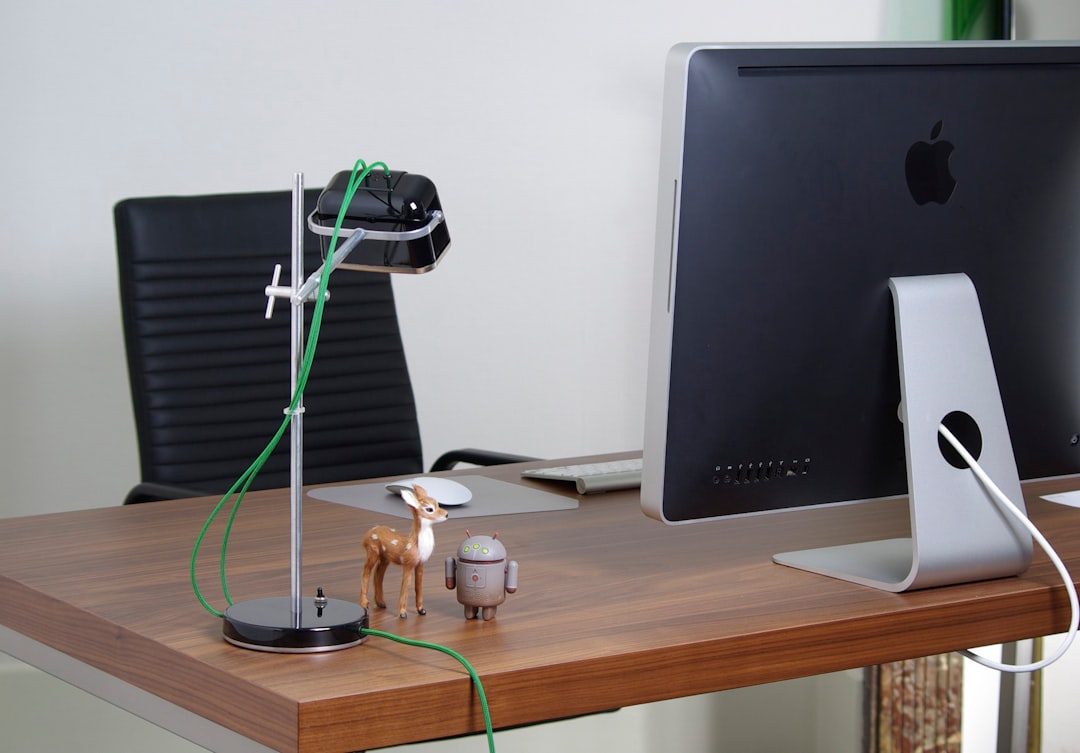
Establishing a dedicated workspace is crucial for maximizing productivity and focus in a remote setting. A well-defined workspace helps to create a boundary between work and personal life, reducing distractions and improving concentration.
Choosing the Right Location
When selecting a workspace, look for a quiet and comfortable spot in your home. Ideally, this space should be free from distractions and equipped with everything you need to perform effectively. Consider factors like natural light and accessibility to power outlets when choosing your location.
Ergonomics Matter
Investing in ergonomic furniture is vital for your long-term health and productivity. Ensure your chair and desk height are appropriate to maintain good posture. Consider accessories like footrests and monitor stands to enhance your workspace ergonomics.
Tip 3: Master Remote Communication Tools
Being proficient in remote communication tools is essential for effective collaboration. Familiarize yourself with platforms such as Zoom, Slack, and Trello, which are designed to facilitate remote teamwork and communication.
Top Tools for Remote Collaboration
- Zoom: Ideal for virtual meetings and webinars.
- Slack: A messaging platform that keeps team communication organized.
- Trello: A project management tool that helps track tasks and projects.
- Google Workspace: A comprehensive suite for document creation and collaboration.
Best Practices for Virtual Communication
To maintain effective communication in a remote setting, adopt best practices such as setting clear agendas for meetings, using video calls for more personal interactions, and being responsive to messages. Establishing guidelines for communication can enhance team dynamics and ensure everyone stays on the same page.
Tip 4: Develop a Remote Work Routine
Creating a daily routine is vital for maintaining productivity and work-life balance while working remotely. A structured schedule helps to establish a work rhythm and promotes accountability.
Setting Working Hours
Define clear start and end times for your workday. Communicating these hours to your team can help set expectations and prevent overlap with personal time. Consistency is key to developing a routine that works for you.
Incorporating Breaks for Mental Health
Regular breaks are essential for avoiding burnout. Schedule short breaks throughout your day to recharge and refocus. Techniques like the Pomodoro Technique, which involves working for 25 minutes followed by a 5-minute break, can be particularly effective.
Tip 5: Embrace Flexibility and Adaptability
Flexibility is a cornerstone of successful remote work. The ability to adapt to changing circumstances can enhance your effectiveness in a remote environment.
Strategies for Staying Flexible
To remain adaptable, consider adopting a mindset that embraces change. Stay informed about industry trends and be open to adjusting your approach as needed. This flexibility will allow you to thrive in an ever-evolving remote work landscape.
Overcoming Challenges in Remote Work
Common challenges in remote work include feelings of isolation and difficulty maintaining focus. Address these issues by fostering connections with colleagues and implementing strategies to manage distractions effectively.
Tip 6: Build a Network in the Remote Work Community
Networking with other remote workers is crucial for support and opportunities. Building relationships within the remote work community can lead to valuable connections and resources.
Joining Online Communities
Consider joining online forums and communities that focus on remote work. Platforms like Remotive and FlexJobs provide spaces to network and share experiences with other remote professionals.
Leveraging Social Media for Networking
Utilize social media platforms like LinkedIn to connect with other remote workers and industry professionals. Engaging with others through posts and comments can enhance your visibility and help you build meaningful relationships.
Tip 7: Focus on Continuous Learning and Growth
In the rapidly changing world of remote work, continuous learning is key to career advancement. Embrace ongoing education and skill development to remain competitive.
Setting Learning Goals
Create actionable learning goals that align with your career aspirations. Break down these goals into manageable steps and track your progress regularly. This approach will help you stay motivated and focused on your professional growth.
Resources for Continuous Learning
There are numerous online resources available for continuous learning. Websites like Skillshare and Lynda.com offer courses on a variety of topics that can enhance your skill set and support your remote work journey.
Conclusion
Understanding how to transition to remote work is more crucial than ever in 2025. By assessing your skills, creating a dedicated workspace, mastering communication tools, developing a routine, embracing flexibility, networking, and focusing on continuous learning, you can ensure a successful transition to remote work.
Take the time to implement these tips and actively engage in your remote work journey. Remember, the key to thriving in this new work environment lies in your ability to adapt and grow. If you have any questions or experiences to share about how to transition to remote work, feel free to leave a comment below. Don’t forget to subscribe for more tips on achieving remote work success!
Checklist for Transitioning to Remote Work
- Assess your current skills
- Create a dedicated workspace
- Master remote communication tools
- Establish a daily routine
- Embrace flexibility and adaptability
- Build a network in the remote work community
- Focus on continuous learning and growth


