Understanding the Remote Career Landscape
Understanding the current trends and opportunities in remote work is crucial for anyone looking to implement the steps to transition to a remote career. In recent years, the rise of digital careers and freelance opportunities has reshaped the job market. As technology continues to advance, more companies are embracing remote work as a viable option, leading to a significant increase in demand for remote professionals.
The COVID-19 pandemic accelerated this trend, forcing many businesses to adapt to remote operations. As a result, industries such as tech, marketing, and customer service have witnessed a surge in remote job openings. According to a report by the Bureau of Labor Statistics, the future of work will increasingly lean towards remote arrangements, making it an opportune time to explore this career path.
In 2025, the landscape will likely evolve further, with remote work becoming a standard practice rather than an exception. This shift creates abundant opportunities for skilled professionals willing to embrace the changes. Understanding this environment is the first step in your journey.
Steps to Transition to a Remote Career: Assessing Your Skills
To effectively navigate the steps to transition to a remote career, evaluating your current skills is essential. Begin by identifying your strengths and weaknesses. What skills do you possess that are transferable to a remote role? This self-assessment will help you pinpoint areas that may require further development.
Focus on skills that are in high demand for remote positions, such as digital literacy, communication, and problem-solving capabilities. You can utilize tools like self-assessment quizzes or feedback from peers to gain insights into your skill set. Consider documenting your findings to create a clear picture of your readiness for remote work.
Moreover, understanding market needs is vital. Research job postings in your field to see which skills are frequently requested. This will guide you in identifying any gaps in your abilities and help you prioritize your learning objectives.
Developing Essential Digital Skills for Remote Work
As you consider the steps to transition to a remote career, developing essential digital skills is paramount. In a remote work environment, proficiency in various tools and technologies can significantly enhance your efficiency and effectiveness. Below is a list of key digital skills that are instrumental for success in remote careers:
- Communication Tools: Familiarity with platforms like Slack, Zoom, and Microsoft Teams is essential for effective collaboration.
- Project Management Software: Tools such as Trello, Asana, and Jira help keep projects organized and on track.
- Digital Marketing Skills: Understanding SEO, content marketing, and social media strategies can be greatly beneficial.
- Data Analysis: Basic knowledge of data analysis tools can aid in making informed decisions based on metrics.
- Cloud Services: Proficiency in using cloud storage solutions like Google Drive or Dropbox is crucial for file sharing.
Investing time in mastering these skills will not only prepare you for remote work but will also make you more attractive to potential employers. Online courses and tutorials can provide valuable resources for skill development.
Steps to Transition to a Remote Career: Creating a Professional Online Presence
Your online presence plays a significant role in the steps to transition to a remote career. A well-crafted professional image can set you apart from other candidates. Start by optimizing your LinkedIn profile, ensuring it reflects your skills, experiences, and aspirations. Include a professional headshot and a compelling summary that showcases your strengths.
In addition to LinkedIn, consider building a personal website or online portfolio. This platform allows you to showcase your work, projects, and testimonials from previous clients or employers. Include a blog where you can share insights related to your field, further establishing your expertise.
Networking is also an integral part of creating your online presence. Engage with industry professionals through social media platforms and online communities. Share relevant content and participate in discussions to increase your visibility and connect with potential employers.
The Importance of Online Training and Courses
As you progress through the steps to transition to a remote career, online training and courses will be invaluable in enhancing your skills. Many platforms now offer specialized courses designed to prepare you for remote work. Websites like Coursera, Udemy, and LinkedIn Learning provide access to a wealth of resources that can help you acquire new skills or refine existing ones.
Moreover, consider obtaining certifications relevant to your field. Certifications add credibility to your resume and demonstrate your commitment to continuous learning. For instance, if you are interested in digital marketing, consider pursuing Google Analytics or Facebook Blueprint certifications.
Investing in online education not only enriches your skill set but also enhances your employability in the competitive remote job market.
Networking in a Remote Work Environment
Networking effectively is crucial for navigating the steps to transition to a remote career. In a remote work setting, traditional networking methods may not be as effective. Instead, embrace online communities, social media, and virtual events to build connections.
Participate in industry-specific forums and LinkedIn groups to meet like-minded professionals. Attend virtual conferences and webinars to expand your network and gain insights into industry trends. Engaging in conversations and sharing valuable content can foster meaningful relationships.
Don’t hesitate to reach out directly to individuals in your desired field for informational interviews. Many professionals are willing to share their experiences and offer guidance, which can be invaluable during your career transition.
Steps to Transition to a Remote Career: Finding Remote Job Opportunities
Finding remote job opportunities is a critical component of the steps to transition to a remote career. Numerous job boards and platforms specialize in remote work listings. Websites such as Remote.co, We Work Remotely, and FlexJobs are excellent resources for discovering remote job openings.
Additionally, many companies have dedicated careers pages where they list remote positions. Regularly check these pages for new opportunities that match your skill set. Joining remote work communities on social media can also provide leads on job openings.
As you explore potential job opportunities, keep a spreadsheet to track your applications, including job titles, company names, and application dates. Staying organized will help you manage your job search effectively.
Crafting a Compelling Remote Job Application
When applying for remote positions, your application must stand out. Tailoring your resume and cover letter to highlight relevant remote work skills is essential. Use keywords from the job description to demonstrate your alignment with the role.
In your resume, emphasize experiences that showcase your ability to work independently and manage your time effectively. Include specific examples of remote work or freelance projects that demonstrate your skills and accomplishments.
Your cover letter should convey your enthusiasm for the position and your understanding of the remote work environment. Highlight your adaptability and any tools or technologies you are proficient in that are relevant to the role.
Preparing for Remote Job Interviews
As you prepare for remote job interviews, it’s essential to be well-equipped for the unique challenges they present. Familiarize yourself with common remote interview questions, such as how you manage time and prioritize tasks while working independently.
Ensure that your technology setup is reliable. Test your internet connection, webcam, and microphone ahead of time to avoid any technical glitches. Choose a quiet, well-lit space for the interview to present a professional image.
During the interview, communicate clearly and confidently. Be prepared to discuss your remote work experiences and how you handle challenges such as isolation or communication barriers. Demonstrating your ability to thrive in a remote setting will strengthen your candidacy.
Managing Productivity and Work-Life Balance in Remote Work
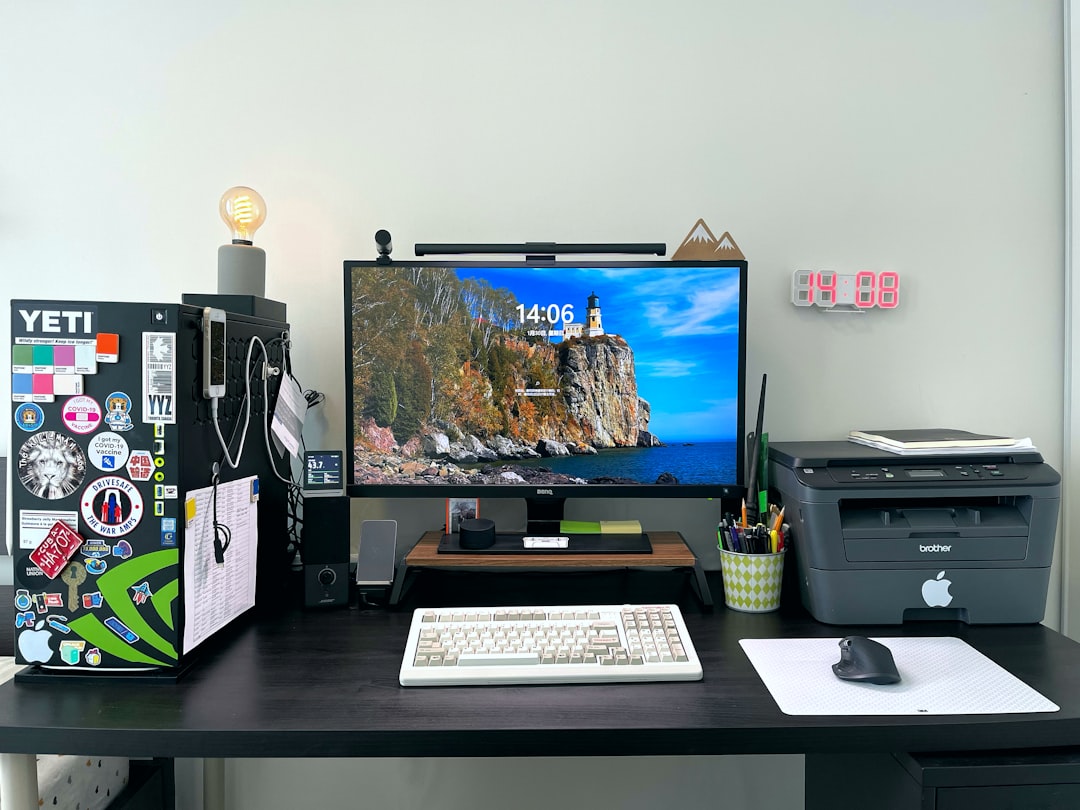
Maintaining productivity and work-life balance while working remotely is vital for success. The steps to transition to a remote career should include strategies for managing your time effectively. Establish a dedicated workspace that minimizes distractions and fosters focus.
Set clear boundaries between work and personal life to avoid burnout. Create a daily schedule that outlines your work hours and breaks, allowing you to stay organized and productive. Utilize tools like time management apps to track your tasks and maintain accountability.
Regularly assess your workload and adjust your schedule as needed to ensure that you are not overwhelming yourself. Prioritize self-care activities such as exercise, hobbies, and socializing to maintain a healthy work-life balance.
Steps to Transition to a Remote Career: Overcoming Challenges
Transitioning to a remote career can present several challenges. Recognizing and addressing these obstacles is essential for a successful transition. Common issues include feelings of isolation, difficulty in communication, and managing distractions at home.
To combat isolation, actively engage with colleagues through virtual meetings and social platforms. Establish a routine that includes regular breaks and social interactions to maintain a sense of connection.
For communication challenges, familiarize yourself with various collaboration tools and best practices for remote communication. Setting clear expectations and maintaining regular check-ins with your team can enhance communication effectiveness.
Lastly, create a structured environment that minimizes distractions. Set boundaries with family members or roommates to ensure your work hours are respected.
Continuous Learning and Growth in a Remote Career
As you navigate the steps to transition to a remote career, emphasize the importance of continuous learning and growth. The remote work landscape is ever-evolving, and staying current with industry trends and skills is vital for long-term success.
Regularly seek out new learning opportunities, whether through online courses, workshops, or webinars. Engaging in professional development helps you remain competitive and opens doors to new career possibilities.
Additionally, seek feedback from colleagues and supervisors to identify areas for improvement. Constructive criticism can guide your growth and help you refine your skills in a remote work environment.
What Are the Top Remote Career Trends in 2025?
As we look toward the future, several trends are shaping the remote work landscape. Emerging technologies, such as artificial intelligence and automation, are influencing job roles and requirements. Companies are increasingly adopting flexible work arrangements, allowing employees to choose their schedules, which can enhance work-life balance.
Moreover, the demand for digital skills will continue to grow as more industries embrace remote work. Staying informed about these trends will help you position yourself strategically in the job market.
How to Identify Transferable Skills for Remote Work
Identifying transferable skills from your previous roles is a key step in the steps to transition to a remote career. Look for skills that can be applied across various industries, such as communication, problem-solving, and project management. Reflect on your past experiences and consider how they can be relevant in a remote setting.
Creating a skills inventory can help you visualize your strengths and identify areas for further development. Use this inventory to tailor your resume and highlight your suitability for remote positions.
Recommended Online Training Platforms for Digital Skills
Utilizing online training platforms can significantly enhance your skill set. Some popular platforms include:
- Coursera: Offers a wide range of courses from top universities and companies.
- Udemy: Features a vast library of courses on various topics, often at affordable prices.
- LinkedIn Learning: Provides courses focused on professional development and skill enhancement.
These platforms can help you gain the knowledge needed to excel in remote work.
Building an Impressive Digital Portfolio
A strong digital portfolio can set you apart in the remote job market. Showcase your skills and projects through a user-friendly website. Include case studies, testimonials, and samples of your work to demonstrate your expertise.
Ensure that your portfolio is visually appealing and easy to navigate. Regularly update it with new projects and achievements to keep it relevant and engaging for potential employers.
How to Leverage Social Media for Networking
Social media can be a powerful tool for networking in the remote work space. Platforms like LinkedIn, Twitter, and even Facebook groups offer opportunities to connect with industry professionals. Share industry-related content, engage in discussions, and build relationships with others in your field.
Don’t hesitate to reach out to individuals for informational interviews or collaborations. Building a strong online presence can enhance your visibility and open doors to new opportunities.
Essential Tools for Remote Collaboration
Utilizing the right tools can facilitate seamless collaboration among remote teams. Some essential tools include:
- Zoom: For video conferencing and virtual meetings.
- Slack: For team communication and collaboration.
- Trello: For project management and task organization.
Familiarizing yourself with these tools will streamline your remote work experience and enhance your productivity.
What Makes a Strong Remote Job Application?
A strong remote job application should highlight relevant skills, experiences, and adaptability. Tailor your resume and cover letter to reflect the specific requirements of the position. Use keywords from the job description to demonstrate your alignment with the role.
Emphasize your ability to work independently and manage your time effectively. Providing examples of past remote work experiences can further strengthen your application.
Tips for Virtual Interviews: What to Expect
Virtual interviews can differ from traditional interviews, so it’s essential to be well-prepared. Ensure your technology is functioning correctly, and choose a quiet space for the interview. Practice answering common remote interview questions, and be ready to discuss your remote work experiences.
Demonstrating your ability to communicate effectively and your comfort with remote work tools can give you an edge in the interview process.
Balancing Work and Home Life: Tips for Remote Workers
Finding balance while working remotely is crucial for your well-being. Set clear boundaries between work and personal life by establishing dedicated work hours. Create a routine that includes regular breaks and time for self-care.
Communicate your schedule with family members or roommates to minimize distractions. Prioritizing your mental and physical health will contribute to your overall productivity and job satisfaction.
Dealing with Isolation in Remote Work
Feelings of isolation can be a challenge in remote work. To combat this, actively engage with your colleagues through virtual meetings and social interactions. Establishing a routine that includes regular social interactions can help maintain a sense of connection.
Consider joining online communities or groups related to your industry to meet new people and share experiences. Building relationships can alleviate feelings of isolation and enhance your remote work experience.
How to Stay Motivated While Working Remotely
Staying motivated in a remote work environment can be challenging. Establish a dedicated workspace that fosters focus and productivity. Set daily goals and prioritize tasks to maintain a sense of accomplishment.
Incorporate regular breaks into your schedule to recharge and prevent burnout. Engaging in activities you enjoy outside of work can also help maintain your motivation and enthusiasm.
The Role of Feedback in Remote Work Success
Seeking and providing feedback is essential for success in a remote work setting. Regular feedback helps you identify areas for improvement and reinforces positive behaviors. Encourage open communication with your colleagues and supervisors to create a culture of feedback.
Be receptive to constructive criticism, and use it as an opportunity for growth. Providing feedback to your team members can also foster collaboration and enhance overall performance.
Networking Etiquette in Online Communities
Networking in online communities requires a thoughtful approach. Always be respectful and professional in your interactions. Engage in discussions by offering valuable insights and asking questions to foster meaningful relationships.
When reaching out to individuals for networking purposes, personalize your messages to show genuine interest. Building rapport can lead to fruitful connections and potential job opportunities.
Updating Your Resume for Remote Jobs
When applying for remote positions, updating your resume is essential. Highlight experiences that demonstrate your ability to work independently and manage your time effectively. Use clear and concise language to convey your skills and accomplishments.
Tailor your resume to reflect the specific requirements of each job application, emphasizing your remote work experiences and relevant skills. This targeted approach will increase your chances of standing out in the competitive remote job market.
Future-Proofing Your Remote Career
As the remote work landscape continues to evolve, future-proofing your career is vital. Stay informed about industry trends and emerging technologies that may impact your field. Continuously seek opportunities for skill development and professional growth.
Networking with industry professionals can provide insights into upcoming changes and help you adapt accordingly. Embracing a mindset of lifelong learning will ensure your skills remain relevant in an ever-changing job market.
The Benefits of Remote Work for Career Growth
Remote work offers numerous benefits for career growth. It provides flexibility in work hours and location, allowing you to create a work-life balance that suits your needs. Additionally, remote work often exposes you to diverse teams and projects, enhancing your skills and experience.
Moreover, remote work can lead to increased job satisfaction and improved mental health due to reduced commuting and a more personalized work environment. Embracing remote opportunities can be a significant step toward achieving your career goals.
How to Choose the Right Remote Job for You
Choosing the right remote job involves evaluating opportunities based on your skills, interests, and lifestyle preferences. Consider factors such as company culture, job responsibilities, and growth potential. Research potential employers to ensure they align with your values and career aspirations.
Take the time to reflect on what you want from your remote career. Prioritize opportunities that excite you and match your professional goals to ensure a fulfilling work experience.
The Importance of Setting Goals in Remote Work
Setting clear goals is essential for productivity and career advancement in remote positions. Establish short-term and long-term goals that align with your career aspirations. Break these goals down into actionable steps to track your progress effectively.
Regularly assess your goals and adjust them as needed to reflect changes in your career or