Introduction
The guide to transitioning to a digital career is essential for anyone looking to thrive in today’s rapidly evolving job market. With the digital landscape constantly expanding, the demand for skilled professionals in various digital fields is at an all-time high. Whether you are considering a complete career change or looking to enhance your current skill set, understanding how to navigate this transition is crucial for success.
Why Consider a Digital Career in 2025?
As we progress into 2025, the job market is witnessing significant trends, including the rise of remote work and the increasing reliance on digital solutions across industries. The flexibility offered by digital careers allows individuals to balance their professional and personal lives more effectively. According to a report from the Bureau of Labor Statistics, jobs in the tech sector are projected to grow by 11% from 2019 to 2029, significantly faster than average. This growth highlights the importance of pursuing a digital career.
Understanding the Skills Needed for a Digital Career
Transitioning to a digital career requires a solid understanding of essential skills such as coding, digital marketing, and data analysis. These skills are not only in demand but also provide a competitive edge in the job market. Emphasizing continuous learning and adaptability will ensure you remain relevant as technology evolves. Many resources are available, including [online courses](https://www.coursera.org/) and workshops that can help you build these essential skills.
Your Comprehensive Guide to Transitioning to a Digital Career
This guide to transitioning to a digital career outlines a step-by-step process to help you make a successful career change. Start by assessing your current skill set and identifying which transferable skills can be applied to a digital context. Next, invest time in learning new digital skills that align with your interests and career goals. Networking and building a professional online presence are also critical components of this transition.
Top 7 Tips for a Successful Transition to a Digital Career
- Tip 1: Identify Your Transferable Skills
- Tip 2: Invest in Online Training and Courses
- Tip 3: Build a Strong Online Presence
- Tip 4: Network with Industry Professionals
- Tip 5: Gain Practical Experience
- Tip 6: Stay Updated with Industry Trends
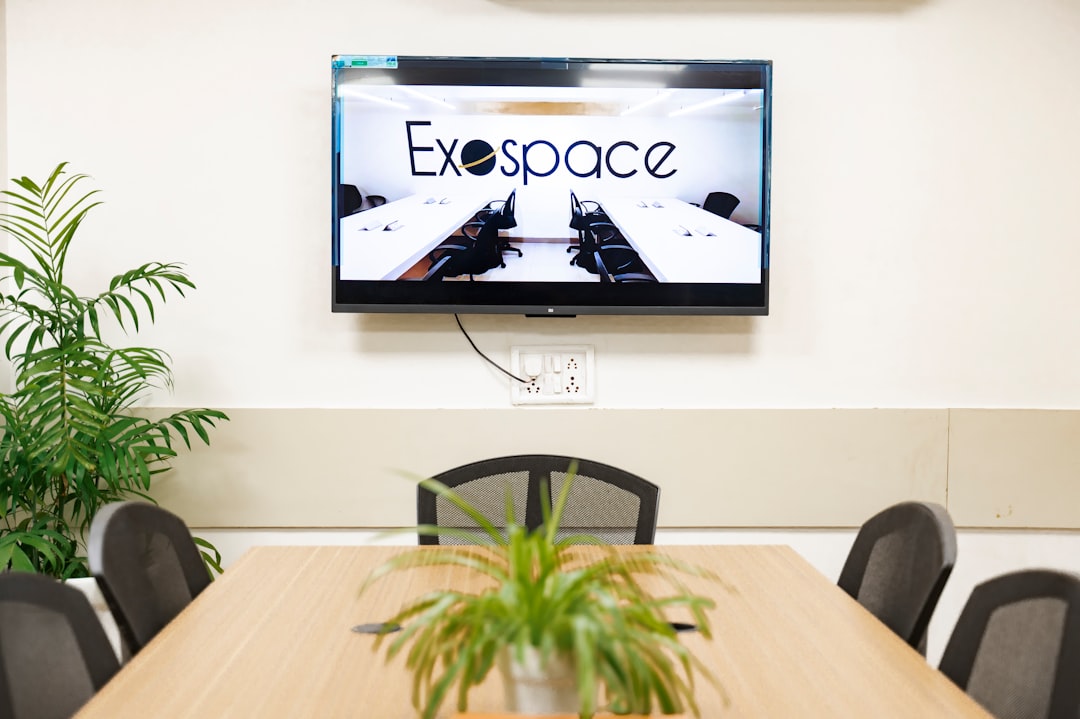
- Tip 7: Cultivate a Productive Work Environment
Each of these tips offers actionable advice to facilitate your transition and enhance your chances of success in a digital career.
Tip 1: Identify Your Transferable Skills
Recognizing your existing skills is the first step in transitioning to a digital career. Skills like communication, project management, and problem-solving are highly valued in digital roles. Reflect on your previous experiences and consider how they can be leveraged in a new digital context.
Tip 2: Invest in Online Training and Courses
Education is vital in developing the skills necessary for a digital career. Platforms like Udacity and edX offer various courses that can help you learn coding, digital marketing, and more. Prioritize investing in your education to stay competitive in the job market.
Tip 3: Build a Strong Online Presence
Your online presence can significantly impact your digital career prospects. Create a professional portfolio showcasing your work and skills. Utilize social media platforms like LinkedIn to connect with industry professionals and share your insights and experiences.
Tip 4: Network with Industry Professionals
Networking is crucial when transitioning to a digital career. Attend industry events, join online forums, and engage with professionals on platforms like LinkedIn. Building relationships can lead to valuable connections and job opportunities.
Tip 5: Gain Practical Experience
Acquiring practical experience is essential for transitioning successfully into a digital career. Consider internships, freelance projects, or volunteer work to gain hands-on experience. Websites like Upwork offer opportunities to find freelance gigs relevant to your desired field.
Tip 6: Stay Updated with Industry Trends
The digital landscape evolves rapidly, making it essential to stay informed about industry trends and technological advancements. Subscribe to relevant blogs, podcasts, and newsletters to keep your knowledge current. Resources like Forbes provide insights into the latest trends in digital careers.
Tip 7: Cultivate a Productive Work Environment
Creating an effective workspace is vital, especially for remote work. Ensure your workspace is organized, comfortable, and free from distractions. Utilize productivity tools to help manage your time and tasks efficiently.
How to Overcome Common Challenges in Transitioning to a Digital Career
Transitioning to a digital career can present challenges, such as self-doubt and the fear of failure. To overcome these obstacles, establish a support system and seek mentorship from experienced professionals. Setting realistic goals and celebrating small achievements can also help maintain motivation throughout the process.
The Role of Digital Marketing in Your New Career
Digital marketing skills are increasingly important in various fields. Understanding how to leverage digital marketing strategies can enhance your career opportunities, regardless of your primary focus. Familiarizing yourself with SEO, content marketing, and social media marketing will provide you with a broader skill set, making you more marketable in the digital landscape.
Success Stories: Real-Life Examples of Digital Career Transitions
Many individuals have successfully transitioned to digital careers, showcasing the potential for growth and fulfillment in this field. For instance, The New York Times featured stories of professionals who shifted from traditional roles to digital marketing and tech positions. Their journeys highlight the importance of resilience, continuous learning, and networking in achieving success.
Resources for Further Learning and Development
To continue your journey towards a digital career, consider exploring the following resources:
- Coursera – Online courses in various digital skills.
- Udacity – Nanodegrees in tech-related fields.
- Digital Marketer – Insights and courses on digital marketing.
- LinkedIn Learning – A platform for professional development courses.
- Smashing Magazine – Articles and resources on web design and development.
Checklist for Transitioning to a Digital Career
- Assess your current skills and identify transferable ones.
- Invest in relevant online training or courses.
- Create a professional online portfolio.
- Network with industry professionals and attend events.
- Gain practical experience through internships or freelance work.
- Stay updated on industry trends and advancements.
- Create a productive workspace that supports your work.
Conclusion
The guide to transitioning to a digital career is an invaluable resource for anyone contemplating a shift in their professional path. By understanding the necessary skills, embracing continuous learning, and leveraging your existing capabilities, you can successfully navigate this transition. Take the first step today by exploring online courses, networking with industry professionals, and cultivating a digital presence. We invite you to share your experiences or ask questions in the comments below as you embark on this exciting journey towards a rewarding digital career.


