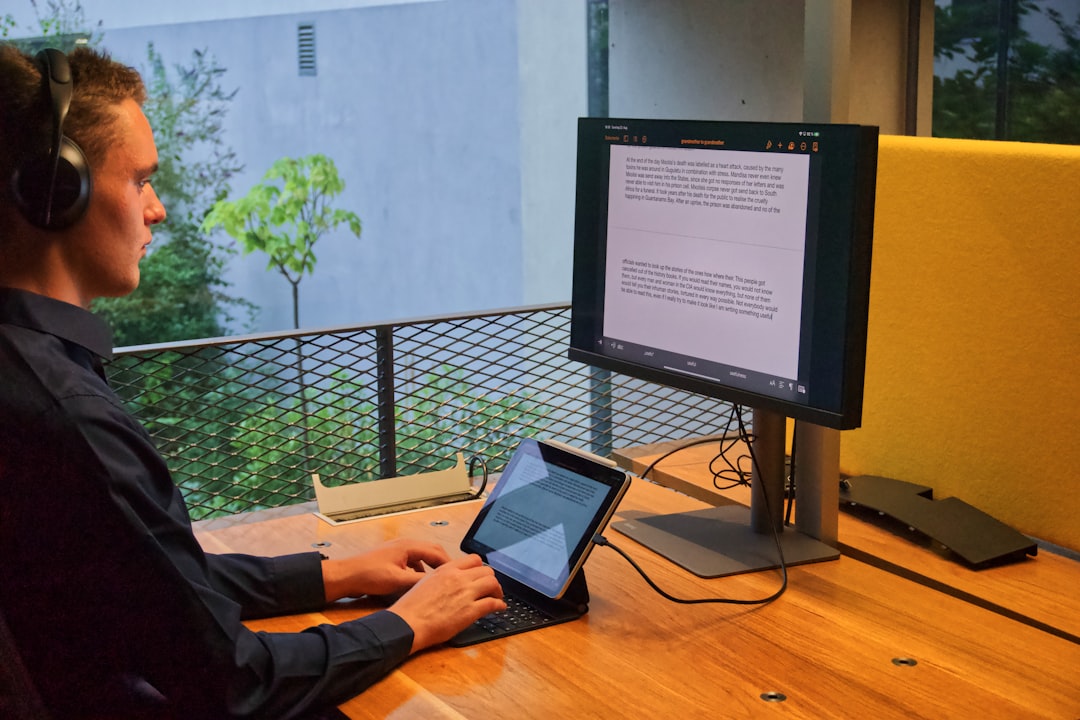
Tag: digital career

  • Step By Step Guide To Transitioning To Remote Work: 2025 Ultimate

    Step By Step Guide To Transitioning To Remote Work: 2025 Ultimate

    Understanding the Shift: Why Transitioning to Remote Work is Essential in 2025

    The step-by-step guide to transitioning to remote work is increasingly relevant as organizations embrace flexible work arrangements. The trend of remote work has accelerated significantly due to technological advancements and societal shifts, making it essential for modern careers. As of 2025, remote work is not just a temporary solution; it has become a standard practice across various industries. This transformation offers numerous benefits, including increased flexibility, better work-life balance, and the potential for greater job satisfaction.

    Moreover, remote work can reduce commuting time, allowing employees to reclaim valuable hours for personal or professional development. As more companies adopt remote-first policies, understanding how to navigate this transition is crucial for anyone looking to stay competitive in the evolving job market.

    Step-By-Step Guide to Transitioning to Remote Work: Assessing Your Current Situation

    Before diving into the remote work landscape, it’s vital to evaluate your current job situation. Begin by asking yourself if your role can be effectively performed remotely. Consider the nature of your tasks, your team’s dynamics, and your employer’s openness to remote work. Conducting this assessment will help you determine if you are on the right path towards a successful transition.

    Additionally, reflect on your personal circumstances. Are you comfortable with the idea of working from home? Do you have a dedicated workspace? A thorough evaluation will provide clarity and help you make informed decisions as you embark on your remote work journey.

    Identifying Your Skills for Remote Work: A Key to Successful Transition

    Identifying transferable skills is a crucial step in the step-by-step guide to transitioning to remote work. Remote roles often require a unique blend of skills, including communication, self-motivation, and digital proficiency. Take the time to assess your current skill set and highlight those that align with remote work requirements.

    For instance, if you have experience in digital marketing, project management, or customer service, these skills can be easily adapted to a remote environment. Consider leveraging online assessments or skill inventories to aid in this process. Identifying your strengths will not only boost your confidence but also enhance your employability in the remote job market.

    Step-By-Step Guide to Transitioning to Remote Work: Choosing the Right Remote Job

    With a clear understanding of your skills, the next step is to explore different types of remote jobs. The remote job market is diverse, ranging from freelance opportunities to full-time positions across various industries. Use job boards and platforms such as FlexJobs, Remote.co, and We Work Remotely to find roles that match your skills and interests.

    When selecting a remote job, consider your long-term career goals. Are you seeking flexibility, or is job stability more important? Aligning your job search with your personal and professional aspirations will lead to a more fulfilling remote work experience.

    Building Your Digital Skills: Essential Training for Remote Work

    In today’s digital landscape, possessing strong digital skills is paramount for remote work success. This step-by-step guide to transitioning to remote work emphasizes the importance of continuous learning. Identify the essential digital skills needed for your desired role, such as proficiency in collaboration tools, project management software, and basic data analysis.

    Numerous online training resources are available to help you upskill. Platforms like Coursera, Udemy, and LinkedIn Learning offer courses tailored to various skill levels. Investing in your digital skills will not only prepare you for remote work but also enhance your overall career prospects.

    Creating a Productive Remote Work Environment: Tips for Success

    A conducive work environment is vital for productivity, especially when transitioning to remote work. Your home office should be organized, comfortable, and free from distractions. This step-by-step guide to transitioning to remote work includes tips for setting up your workspace effectively.

    • Choose a quiet location away from distractions.
    • Invest in ergonomic furniture to promote comfort.
    • Ensure proper lighting and ventilation.
    • Keep necessary tools and resources within reach.

    By creating an environment that fosters focus and creativity, you’ll be better equipped to tackle your daily tasks and maintain a healthy work-life balance.

    Step-By-Step Guide to Transitioning to Remote Work: Networking in a Digital World

    Networking remains a critical aspect of career advancement, even in a remote setting. This step-by-step guide to transitioning to remote work suggests that building a professional network online can significantly impact your job search and career growth.

    Engage with industry-related groups on platforms like LinkedIn and participate in virtual networking events. Reach out to former colleagues or mentors to maintain connections. Networking not only opens doors to job opportunities but also provides support and resources as you navigate your remote work journey.

    Time Management Strategies for Remote Workers: Boosting Your Productivity

    Effective time management is crucial for remote workers who must balance various responsibilities. This step-by-step guide to transitioning to remote work highlights several strategies to boost productivity.

    1. Prioritize tasks using a to-do list.
    2. Implement the Pomodoro Technique for focused work sessions.
    3. Set specific work hours to create a routine.
    4. Limit distractions by minimizing social media usage during work hours.

    By adopting these strategies, you can enhance your focus and efficiency, making your remote work experience more rewarding.

    Overcoming Challenges of Remote Work: A Practical Approach

    Transitioning to remote work comes with its own set of challenges. Common issues include feelings of isolation, communication barriers, and difficulties in separating work from personal life. This step-by-step guide to transitioning to remote work aims to identify these challenges and provide practical solutions.

    To combat isolation, make a conscious effort to connect with colleagues regularly through video calls or virtual team-building activities. Establish clear communication channels to ensure everyone is on the same page. Additionally, setting boundaries between work and personal life is essential to prevent burnout.

    Step-By-Step Guide to Transitioning to Remote Work: Crafting Your Resume for Remote Jobs

    Your resume is often the first impression you make on potential employers. This step-by-step guide to transitioning to remote work includes tailored advice for crafting a resume that highlights your suitability for remote positions. Focus on showcasing relevant remote work experience, emphasizing skills that are critical in a remote setting.

    Additionally, consider incorporating keywords related to remote work in your resume and cover letter to increase visibility during applicant tracking system (ATS) screenings. A well-crafted application will enhance your chances of landing an interview.

    Interviewing for Remote Positions: Tips for Success

    Preparing for remote job interviews requires a different approach than traditional interviews. This step-by-step guide to transitioning to remote work provides tips for excelling in remote job interviews.

    Ensure you have a reliable internet connection and a quiet space for the interview. Familiarize yourself with common remote interview questions and practice your responses. Additionally, showcase your understanding of remote work dynamics and how you can contribute to the company’s success in a virtual environment.

    Maintaining Work-Life Balance in a Remote Setting

    One of the key benefits of remote work is the potential for better work-life balance. However, achieving this balance requires conscious effort. This step-by-step guide to transitioning to remote work emphasizes the importance of setting boundaries and creating a structured schedule.

    Designate specific work hours and communicate them with your team. Allow time for breaks and prioritize self-care activities to avoid burnout. By maintaining a healthy balance, you can enhance both your productivity and your overall well-being.

    What to Consider Before Transitioning to Remote Work

    Before making the transition, consider factors such as job stability, personal circumstances, and the company’s culture regarding remote work. This step-by-step guide to transitioning to remote work encourages you to weigh these factors carefully to make an informed decision.

    How to Identify Your Transferable Skills

    Identifying transferable skills is a critical step in your transition. Use a framework that assesses your current skills against the demands of remote roles. This step-by-step guide to transitioning to remote work will help you articulate those skills effectively to potential employers.

    Top Remote Job Platforms to Explore

    Several platforms cater specifically to remote job seekers. Explore sites like Upwork, Fiverr, and Remotive to discover a variety of remote work opportunities.

    Essential Tools for Remote Work: Must-Have Software and Apps

    Having the right tools can significantly enhance your remote work experience. Essential software includes project management tools like Trello, communication platforms like Slack, and video conferencing applications such as Zoom. Familiarize yourself with these tools to improve collaboration and productivity.

    Setting Up Your Home Office: Ergonomics and Comfort

    Creating an ergonomic home office setup is crucial for long-term comfort and productivity. This step-by-step guide to transitioning to remote work suggests investing in a good chair and desk that promote proper posture. Ensure your computer screen is at eye level to reduce strain and consider adding plants for a touch of nature.

    Building an Online Presence: Importance of Personal Branding

    In the digital age, personal branding is essential for remote workers. A strong online presence can enhance your visibility and credibility in your field. Use platforms like LinkedIn to showcase your skills, achievements, and professional journey. This step-by-step guide to transitioning to remote work encourages you to engage with industry content and share your insights to build your brand.

    Networking Online: Best Practices for Building Connections

    Networking in a digital world requires a strategic approach. Attend virtual events, engage in discussions on social media, and reach out to professionals in your industry. Use this step-by-step guide to transitioning to remote work to develop meaningful connections that can lead to job opportunities and collaborations.

    Time Blocking: A Proven Time Management Technique

    Implementing the time-blocking method can revolutionize your productivity as a remote worker. This technique involves dedicating specific time slots for various tasks, helping you stay focused and organized. By following this step-by-step guide to transitioning to remote work, you can maximize your time and ensure that important tasks are completed efficiently.

    Common Remote Work Challenges and How to Tackle Them

    Remote work can present unique challenges, including feelings of isolation and difficulty in communication. This step-by-step guide to transitioning to remote work identifies these common issues and provides actionable solutions, such as setting regular check-ins with your team and participating in virtual networking events to foster connections.

    Resume Tips for Remote Job Applications

    Tailoring your resume for remote job applications is crucial. Highlight relevant experience, skills, and any previous remote work. Use this step-by-step guide to transitioning to remote work to ensure your resume stands out and effectively communicates your fit for the role.

    Preparing for Remote Job Interviews: What to Expect

    Remote job interviews often differ from traditional formats. Familiarize yourself with video conferencing tools and prepare for behavioral questions that assess your remote work capabilities. This step-by-step guide to transitioning to remote work will help you navigate the interview process with confidence.

    Strategies for Staying Motivated in a Remote Work Environment

    Staying motivated while working remotely can be challenging. This step-by-step guide to transitioning to remote work offers strategies such as setting clear goals, establishing a routine, and taking regular breaks to recharge. By implementing these techniques, you can maintain your motivation and productivity.

    Balancing Work and Personal Life: Setting Boundaries

    Establishing boundaries is essential for achieving a healthy work-life balance. This step-by-step guide to transitioning to remote work encourages you to define specific work hours and communicate them with your team, allowing you to enjoy personal time without the intrusion of work tasks.

    Continuous Learning: Keeping Your Skills Updated

    The remote work landscape is ever-evolving, making continuous learning crucial. This step-by-step guide to transitioning to remote work emphasizes the importance of staying updated with industry trends and acquiring new skills through online courses and professional development opportunities.

    Success Stories: Inspiring Remote Work Transitions

    Hearing from individuals who have successfully transitioned to remote work can provide motivation and insight. Consider sharing testimonials or case studies to illustrate the diverse paths people have taken and the benefits they have experienced in their remote careers.

    Conclusion: Your Path to Remote Work Success

    In conclusion, this step-by-step guide to transitioning to remote work provides valuable insights for anyone considering this career change. By understanding the shift towards remote work, assessing your current situation, identifying your skills, and following the outlined steps, you can successfully navigate this transition. Remember to stay committed to continuous learning and networking, as these elements are vital for long-term success.

    As you embark on your remote work journey, take the necessary steps to create a productive environment, manage your time effectively, and maintain a healthy work-life balance. Your path to remote work success is within reach—embrace the opportunities that lie ahead!

    step-by-step guide to transitioning to remote work - A well-organized home office setup.
    step-by-step guide to transitioning to remote work - A productive workspace with technology.
    step-by-step guide to transitioning to remote work - A person engaging in a video call.

  • Best Online Training For Freelance Skills: 10 Ultimate 2025

    Best Online Training For Freelance Skills: 10 Ultimate 2025

    Introduction to Freelance Skills and Online Training

    The best online training for freelance skills has become increasingly important as the freelance economy continues to thrive. With more individuals seeking flexibility and independence in their careers, acquiring new skills through online training has emerged as a vital strategy for success. This article will explore the significance of these skills and how online training can facilitate their development.

    Why Choose Online Training for Freelance Skills?

    Online training offers numerous advantages for freelancers. First and foremost, it provides flexibility, allowing learners to study at their own pace and on their own schedule. This is especially beneficial for freelancers who often juggle multiple projects. Additionally, online training is accessible from anywhere with an internet connection, enabling learners to choose courses that suit their needs without geographical limitations.

    Moreover, the diversity of course offerings ensures that freelancers can find specialized training tailored to their specific skill sets and career aspirations. Whether it’s graphic design, digital marketing, or project management, the best online training for freelance skills can help individuals develop competencies that are in high demand in the market.

    Top 10 Online Training Platforms for Freelance Skills in 2025

    • Coursera – Offers courses from top universities and companies, covering a wide range of freelance skills.
    • Udemy – Features a vast library of courses on various subjects, perfect for freelancers seeking specific skills.
    • LinkedIn Learning – Provides courses focusing on professional skills and is integrated with LinkedIn profiles.
    • Skillshare – Ideal for creative freelancers, offering classes in design, photography, and more.
    • edX – Partners with universities to provide high-quality courses, including certifications.
    • Pluralsight – Focuses on tech skills, offering courses on software development and IT.
    • Codecademy – Best for those looking to learn coding and web development skills.
    • HubSpot Academy – Offers free courses on marketing and sales, essential for freelancers.
    • FutureLearn – Features courses from global universities, covering a variety of freelance skills.
    • Teachable – Allows experts to create and sell their own courses, providing unique learning opportunities.

    Best Online Training for Freelance Skills: Course Highlights

    Each platform mentioned above has standout courses that cater to freelancers. For instance, Coursera’s “Digital Marketing Specialization” is perfect for those looking to enhance their marketing skills. Similarly, Udemy’s “Complete Graphic Design Bootcamp” provides comprehensive training for aspiring designers.

    For tech-savvy individuals, Pluralsight offers a “Software Development Path” that covers essential programming languages. Meanwhile, HubSpot Academy’s content marketing courses are invaluable for freelancers focused on writing and digital content creation.

    How to Select the Best Online Training for Your Freelance Skills

    When searching for the best online training for freelance skills, it’s crucial to align your choices with your personal goals. Consider your existing skill set and the areas you wish to improve. Additionally, think about your preferred learning style—some may benefit from video lectures, while others may prefer hands-on projects.

    Researching course reviews and ratings can also help you gauge the quality of training. Look for courses that offer practical assignments and real-world applications to ensure you’re gaining valuable experience.

    The Future of Freelance Work: Skills to Focus On

    The freelance landscape is ever-evolving, and certain skills are becoming increasingly vital. In 2025, digital marketing, data analysis, and coding will dominate the freelance market. Online training platforms are adapting to these trends by offering specialized courses that equip freelancers with the necessary skills for success.

    For example, courses on data analytics from Coursera and Udemy are gaining popularity, as businesses seek freelancers who can interpret data effectively. As remote work becomes more prominent, skills related to virtual collaboration and project management will also be essential.

    Best Online Training for Freelance Skills: Testimonials and Success Stories

    Many freelancers have transformed their careers through online training. For instance, Jane Doe, a graphic designer, credits her success to a comprehensive course she took on Skillshare, which helped her refine her skills and attract high-paying clients. Similarly, John Smith, a digital marketer, found that the HubSpot Academy courses improved his effectiveness in client campaigns, leading to a lucrative freelance career.

    These success stories are a testament to the effectiveness of the best online training for freelance skills, illustrating how targeted learning can lead to significant career advancements. For more insights, check out Understanding Credit Scores And Reports: The.

    Tips for Maximizing Your Online Training Experience

    To get the most out of online training, set clear goals for what you want to achieve. Create a study schedule that fits your freelance work commitments, and stick to it consistently. Joining forums or social media groups related to your course can enhance your learning experience by providing networking opportunities.

    Additionally, consider forming study groups with fellow learners to facilitate discussion and collaborative learning. Engaging with others can significantly enrich your understanding of the material.

    Frequently Asked Questions About Online Training for Freelance Skills

    Are online training programs effective? Yes, many online programs are designed by industry experts and provide valuable skills that are directly applicable to freelance work.

    How much do online courses cost? Prices vary widely, with many platforms offering free courses alongside paid options. Investing in quality training can yield significant returns in your freelance career.

    What should I look for in an online training program? Look for courses with high ratings, comprehensive content, and practical assignments.

    Conclusion: Invest in Your Future with the Best Online Training for Freelance Skills

    In summary, the best online training for freelance skills is a crucial investment for anyone looking to succeed in the freelance economy. By choosing the right courses tailored to your career goals, you can enhance your skill set and increase your earning potential. Don’t hesitate to explore the platforms and courses mentioned in this article; your freelance future depends on it!

    Take action today by enrolling in a course that excites you, and watch how it transforms your freelance career. Remember, the journey to mastering your freelance skills begins with a single step, so make that commitment now.

    What Are Freelance Skills?

    Freelance skills are the competencies and expertise that enable individuals to work independently and provide services to various clients. These skills encompass a wide range of areas, including writing, design, programming, marketing, and project management.

    Benefits of Freelancing in 2025

    Freelancing offers numerous advantages, such as the ability to set your own schedule, work from anywhere, and choose projects that align with your interests. In 2025, freelancers can expect even more opportunities as businesses increasingly embrace remote work.

    How to Find the Best Online Training for Freelance Skills

    To find the best online training for freelance skills, start by identifying your career goals. Research various platforms and course offerings, read reviews, and consider seeking recommendations from industry peers.

    Are Free Online Training Options Effective?

    While free online training options can provide valuable knowledge, they may lack the depth and practical application of paid courses. It’s important to evaluate the quality of free resources before relying solely on them for skill development.

    Best Online Training for Freelance Skills: Graphic Design Courses

    For those interested in graphic design, platforms like Skillshare and Udemy offer specialized courses that cover essential design principles, software tools, and real-world projects.

    Best Online Training for Freelance Skills: Digital Marketing Courses

    Digital marketing is crucial for freelancers, and courses from HubSpot Academy and Coursera provide comprehensive training on SEO, social media marketing, and content strategy.

    The Importance of Networking in Online Training

    Building a network while pursuing online training can significantly enhance your learning experience. Engaging with fellow learners and industry professionals can lead to collaboration opportunities and potential job referrals.

    Time Management Strategies for Online Training

    Effective time management is key to successfully completing online training. Consider techniques like the Pomodoro Technique, setting specific study hours, and minimizing distractions to maximize your focus. For more insights, check out How To Use Chatgpt For Business:.

    Online Training for Freelance Skills: Coding and Tech Courses

    Coding and tech skills are increasingly valuable for freelancers. Platforms like Codecademy and Pluralsight offer courses that cover programming languages, web development, and software engineering.

    The Role of Certifications in Freelance Careers

    Certifications can boost your credibility and enhance your job prospects as a freelancer. Many online training platforms offer recognized certifications that validate your expertise in specific areas.

    Best Online Training for Freelance Skills: Content Writing Courses

    For aspiring content writers, courses on platforms like Coursera and LinkedIn Learning can provide valuable insights into writing techniques, SEO best practices, and content strategy.

    How to Stay Motivated During Online Training

    Maintaining motivation during online training can be challenging. Setting achievable goals, rewarding yourself for milestones, and joining study groups can help keep you engaged and motivated.

    Evaluating Course Quality: What to Look For

    When evaluating online courses, consider factors such as instructor credentials, course reviews, practical assignments, and the overall reputation of the platform.

    The Impact of Online Training on Freelance Income

    Online training can significantly increase your earning potential as a freelancer. By acquiring in-demand skills, you can command higher rates and attract more clients.

    Best Online Training for Freelance Skills: Project Management Courses

    Courses on project management from platforms like edX and LinkedIn Learning can help freelancers organize their work effectively, manage client expectations, and ensure timely project delivery.

    Incorporating Online Learning into Your Daily Routine

    Integrating online learning into your daily routine requires discipline. Consider setting aside dedicated time each day for training, utilizing breaks for small study sessions or engaging in quick review activities.

    The Evolution of Freelance Skills: What’s Next?

    The future of freelance skills will continue to evolve with technological advancements. Skills in AI, data science, and remote collaboration tools will likely become increasingly important, making ongoing training essential.

    Final Thoughts on Online Training for Freelance Skills

    Investing in the best online training for freelance skills is a smart strategy for any professional looking to thrive in the gig economy. By continuously improving your skills and adapting to market demands, you can secure a successful and fulfilling freelance career.

  • Freelance Vs Full Time Work Pros And Cons: 7 Essential Insights 2025

    Freelance Vs Full Time Work Pros And Cons: 7 Essential Insights 2025

    Introduction

    The job landscape is evolving rapidly, especially in 2025, making it crucial to understand the freelance vs full-time work pros and cons when considering your career path. As more professionals contemplate their futures, distinguishing between these two employment styles can significantly impact your work-life balance, financial stability, and overall job satisfaction.

    What is Freelance Work?

    Freelance work refers to a self-employed form of labor where individuals offer their services to various clients without being tied to a single employer. Freelancers typically work on specific projects or tasks, allowing them to choose their clients, hours, and workload. Examples of freelance careers in the digital space include graphic designers, web developers, content writers, and digital marketers.

    What is Full-Time Work?

    Full-time work entails a fixed employment arrangement where employees work a set number of hours, usually 35-40 per week, for a single employer. This type of employment often includes benefits such as health insurance, paid time off, and retirement plans. Common industries for full-time jobs include healthcare, technology, education, and finance.

    Freelance Vs Full-Time Work Pros and Cons: A Comparative Overview

    Aspect Freelance Work Full-Time Work
    Flexibility High Low
    Income Stability Variable Stable
    Benefits None Comprehensive
    Job Security Low High
    Work Environment Independent Structured

    This table summarizes the freelance vs full-time work pros and cons, providing a quick visual representation of key differences.

    Pros of Freelance Work

    Freelance work offers numerous advantages, including flexibility, autonomy, and diverse opportunities. In fact, a survey by Upwork found that 60% of freelancers reported higher job satisfaction compared to traditional employment.

    Flexibility in Work Hours

    One of the main perks of freelancing is the ability to set your own hours. This flexibility allows freelancers to work at their most productive times, accommodating personal commitments and preferences.

    Diverse Client Base

    Freelancers can work with a variety of clients across multiple industries, which not only keeps the work interesting but also helps in building a robust portfolio. This diverse experience can enhance a freelancer’s marketability and adaptability.

    Potential for Higher Earnings

    While income can be unstable, many freelancers have the potential to earn more than their full-time counterparts. According to a study by Bureau of Labor Statistics, skilled freelancers in technology and design often command higher hourly rates than salaried employees.

    Cons of Freelance Work

    Despite the advantages, freelancing presents significant challenges, such as income instability and lack of benefits. Understanding these drawbacks is essential for anyone considering this career path.

    Income Instability

    One of the most significant challenges freelancers face is income instability. Unlike full-time employees, freelancers often experience fluctuating cash flow, which can make budgeting and financial planning difficult.

    Lack of Employee Benefits

    Freelancers typically miss out on benefits such as health insurance, paid vacation, and retirement plans. This can lead to increased out-of-pocket expenses and financial stress, prompting many freelancers to seek ways to secure their own benefits.

    Pros of Full-Time Work

    Full-time employment offers several advantages, including job security, benefits, and opportunities for career advancement, making it an appealing option for many workers.

    Job Security

    Full-time roles usually provide more stability compared to freelancing, as employees receive a consistent paycheck and job security. This stability can be especially crucial for individuals with families or significant financial obligations.

    Structured Work Environment

    Full-time work often comes with a predictable routine and established workplace culture, which some people find comforting and conducive to productivity. The structure can help employees focus and create a clearer separation between work and personal life.

    Cons of Full-Time Work

    While full-time work has its perks, it also has downsides, such as limited flexibility and the potential for burnout.

    Limited Flexibility

    Full-time jobs can restrict personal time and the ability to manage one’s schedule. Employees may find it challenging to attend to personal matters or pursue side interests due to fixed work hours.

    Potential for Burnout

    Long hours and high workloads can lead to burnout among full-time employees. The stress associated with meeting deadlines and workplace demands can negatively impact mental and physical health.

    Key Insights for Career Change: Freelance Vs Full-Time Work

    Before making a career transition, consider important factors such as your financial situation, personal goals, and work-life preferences. Take time to evaluate your circumstances and decide which work style aligns best with your lifestyle.

    Productivity Tips for Freelancers and Full-Time Workers

    Regardless of your work style, enhancing productivity is essential. Here are some strategies tailored for both freelancers and full-time employees.

    Time Management Techniques

    Freelancers can benefit from techniques such as the Pomodoro Technique or time blocking to manage their workload effectively. These strategies help freelancers stay focused and avoid procrastination.

    Work-Life Balance Strategies

    Full-time workers can maintain a healthy balance by setting boundaries, prioritizing self-care, and taking regular breaks. This approach can help mitigate stress and prevent burnout.

    Online Training and Digital Skills for Career Transition

    Upskilling is crucial for both freelancers and full-time workers looking to transition careers. Online courses in digital marketing, programming, or design can enhance your skill set and make you more competitive in the job market. Platforms like [anchor text] offer a variety of courses tailored to your needs.

    Conclusion: Making the Right Choice for Your Future

    In summary, understanding the freelance vs full-time work pros and cons is essential for making informed career decisions. Each work style has its unique advantages and disadvantages, and the right choice depends on your personal goals, financial situation, and work preferences. Take the time to assess your priorities and consider your future carefully.

    Call to Action

    We invite you to share your experiences or questions in the comments below. If you found this article helpful, consider subscribing for more insights on digital careers and skills. Remember, the journey to a fulfilling career begins with understanding your options.

    freelance vs full-time work pros and cons - freelancers working on laptops
    freelance vs full-time work pros and cons - office environment
    freelance vs full-time work pros and cons - working remotely
    freelance vs full-time work pros and cons - digital skills training

  • Steps To Transition To A Digital Career: 7 Essential Tips 2025

    Steps To Transition To A Digital Career: 7 Essential Tips 2025

    Introduction

    The steps to transition to a digital career are essential to navigating the increasingly digital landscape of 2025. As technology continues to evolve, the demand for skilled digital professionals has skyrocketed, making this an opportune time to consider a shift to a digital career. With various sectors embracing digital solutions, from marketing to development, understanding how to effectively make this transition is vital for anyone looking to thrive in the modern workforce.

    Why Choose a Digital Career in 2025?

    Pursuing a digital career in 2025 comes with numerous advantages. Firstly, the flexibility of remote work allows individuals to maintain a better work-life balance. Additionally, digital careers often offer competitive salaries and opportunities for continuous learning. According to the U.S. Bureau of Labor Statistics, many digital roles are projected to grow significantly, reflecting a robust demand for skilled professionals.

    • High demand for digital skills across industries
    • Opportunities for remote work and flexible hours
    • Potential for higher earnings compared to traditional jobs
    • Continuous learning and skill development

    Understanding the Steps To Transition To A Digital Career

    To effectively navigate the steps to transition to a digital career, it is crucial to have a clear understanding of the journey ahead. This involves assessing your current skills, identifying your passions, and acquiring the necessary digital skills. Planning and preparation are paramount to ensure a smooth transition into the digital workforce.

    Step 1: Assess Your Current Skills

    The first step in your transition is to assess your current skills. Evaluate what skills you possess that could be relevant to digital careers. Tools like Myers-Briggs Type Indicator or online assessments can help you understand your strengths and areas for improvement. Taking stock of your existing skills will provide a solid foundation for your transition.

    Step 2: Identify Your Passion and Interests

    Aligning your career choices with your passions can significantly enhance job satisfaction. Explore various digital career options, such as web development, digital marketing, or UX design, and identify what resonates with you. Engaging in informational interviews with professionals in these fields can also provide insight into what a day in their life looks like.

    Step 3: Acquire Essential Digital Skills

    Once you have a clear understanding of your skills and interests, the next step is to acquire essential digital skills. This may include learning coding languages, digital marketing strategies, or data analysis techniques. Platforms like Coursera or Udacity offer a range of online courses to help you build these competencies.

    Digital Skills Recommended Training Platforms
    Web Development Codecademy, FreeCodeCamp
    Digital Marketing HubSpot Academy, Google Digital Garage
    Data Analysis edX, DataCamp

    Step 4: Create a Strong Online Presence

    Building a strong online presence is crucial in today’s digital job market. Personal branding can set you apart from other candidates. Start by creating a professional website that showcases your skills and portfolio. Additionally, leverage social media platforms like LinkedIn to connect with industry professionals and share your insights.

    Step 5: Network with Professionals in Your Desired Field

    Networking is a powerful tool when transitioning to a digital career. Attend industry events, join online forums, and participate in local meetups. Engaging with professionals can provide access to job opportunities and valuable mentorship. Remember, building relationships is key to expanding your career prospects.

    Step 6: Gain Practical Experience

    Hands-on experience is invaluable. Look for internships, volunteer opportunities, or freelance projects to gain practical skills. Websites like Upwork and Fiverr can be excellent platforms to start building your experience while earning income.

    Step 7: Stay Updated with Industry Trends

    In the fast-paced digital world, staying updated with industry trends is crucial. Subscribe to relevant blogs, join professional organizations, and participate in webinars. Resources like Digital Marketer can keep you informed about the latest in digital marketing and technology.

    Overcoming Challenges in Your Transition

    Transitioning to a digital career can come with its challenges. Common obstacles include self-doubt, the steep learning curve, and competition. Overcoming these challenges requires resilience. Set realistic goals and celebrate small wins to keep motivation high. Remember, persistence is key.

    Benefits of Remote Work in a Digital Career

    One of the significant advantages of a digital career is the flexibility of remote work. This arrangement often leads to increased productivity and job satisfaction. Establish a dedicated workspace, set clear boundaries, and utilize productivity tools to maximize your efficiency while working from home.

    Frequently Asked Questions About Transitioning to a Digital Career

    As you consider the steps to transition to a digital career, you may have questions. Here are some common queries:

    • How long does it take to transition? The timeline varies based on your current skills and the complexity of your desired career.
    • Do I need a degree? While some roles may require formal education, many digital positions value experience and skills over degrees.
    • What if I have no experience? Focus on building a portfolio through internships, freelance work, or personal projects.

    Conclusion: Your Path to a Successful Digital Career

    In summary, the steps to transition to a digital career involve assessing your skills, identifying your passions, acquiring new competencies, and networking effectively. By following these essential tips, you can navigate the complexities of the digital job market and find fulfillment in your new career path. Start today by setting clear goals and taking actionable steps towards your digital career journey.

    Additional Resources for Digital Career Transition

    Success Stories: Who Has Successfully Transitioned?

    Many individuals have successfully transitioned to digital careers. For example, Jane Doe shifted from a traditional marketing role to a digital marketing strategist, leveraging her creativity and analytical skills to excel in her new position.

    The Role of Certification in Digital Skills

    Certifications can enhance your credibility and job prospects in digital fields. Consider obtaining certifications from recognized organizations to validate your skills.

    Time Management Tips for Remote Workers

    • Set a consistent work schedule
    • Use productivity tools like Trello or Asana
    • Take regular breaks to avoid burnout

    Finding Your Niche in the Digital World

    Identifying and specializing in a niche market can set you apart in the digital landscape. Research potential niches that align with your skills and interests.

    How to Handle Job Rejections

    Job rejections can be disheartening. It’s essential to view them as learning opportunities. Seek feedback when possible and use it to improve your approach.

    The Importance of Feedback in Skill Development

    Regular feedback can help you refine your skills and increase your employability. Seek constructive criticism from peers and mentors to foster growth.

    Setting Realistic Goals for Your Transition

    Define clear, achievable goals for your career transition. Break your long-term objectives into smaller, manageable milestones to track your progress effectively.

    Utilizing Social Media for Job Hunting

    Social media can be a powerful tool for job hunting. Optimize your LinkedIn profile, engage with industry groups, and showcase your expertise through content sharing.

    Balancing Work and Life in a Digital Career

    Maintaining a healthy work-life balance is crucial in digital careers. Set boundaries, prioritize self-care, and schedule downtime to recharge.

    The Future of Digital Careers: What to Expect

    As technology continues to evolve, the future of digital careers will likely see increased demand for roles in AI, cybersecurity, and data analytics. Staying adaptable and continuously updating your skills will be key to thriving.

    How to Stay Motivated During Your Transition

    Keep your motivation high by setting personal rewards for achieving goals. Surround yourself with supportive peers who share your ambitions.

    The Importance of Mentorship in Career Transition

    A mentor can provide valuable insights and guidance. Consider seeking a mentor within your desired field to help navigate your transition effectively.

    Building a Portfolio to Showcase Your Skills

    A well-organized portfolio can demonstrate your skills to potential employers. Include case studies, projects, and testimonials to create a compelling showcase of your work.

    Understanding the Digital Job Market Landscape

    Stay informed about the current job market and the skills that are in demand. Regularly check job boards and industry reports to adjust your learning path accordingly.

    The Role of Emotional Intelligence in Digital Careers

    Emotional intelligence can enhance collaboration and communication in remote environments. Developing this skill can improve workplace relationships and foster a positive work culture.

    Exploring Freelance Opportunities in Digital Fields

    Freelancing can be a great way to gain experience and flexibility. Explore platforms that connect freelancers with clients to find suitable opportunities.

    Conclusion: Taking the First Step

    Are you ready to begin your journey? The steps to transition to a digital career are within your reach. Start by assessing your skills, identifying your passions, and taking actionable steps towards your new career today. The digital world awaits!

  • How To Transition To A Digital Career: 7 Essential Tips For 2025

    Introduction

    Knowing how to transition to a digital career is becoming increasingly important as we approach 2025. The workforce landscape is evolving rapidly, with a growing demand for digital skills and remote work opportunities. Embracing a digital career not only opens doors to new possibilities but also offers flexibility and job security in an ever-changing job market.

    Why You Should Learn How To Transition To A Digital Career

    Transitioning to a digital career brings numerous benefits. First and foremost, it allows for greater flexibility in work hours and location. This flexibility can lead to improved work-life balance and increased job satisfaction. Furthermore, as businesses increasingly rely on digital tools, a digital career can offer enhanced job security. With the right skills, you can position yourself as a valuable asset to companies worldwide.

    Assess Your Current Skills and Identify Gaps

    Before you can successfully transition to a digital career, you need to assess your current skills and identify gaps. This process will help you understand where to focus your learning efforts and which skills you need to develop.

    Conduct a Skills Inventory

    To conduct a skills inventory, follow these steps:

    1. List your current skills, both technical and soft.
    2. Evaluate how these skills relate to the digital career paths you are interested in.
    3. Identify areas where you lack knowledge or expertise.
    4. Research which skills are most in demand in your desired field.

    Identify In-Demand Digital Skills

    As you prepare to learn how to transition to a digital career, it’s essential to identify in-demand skills. Some of the most sought-after digital skills in 2025 include:

    • Digital marketing
    • Data analysis
    • Web development
    • Graphic design
    • Content management

    How To Create a Learning Plan for Your Digital Career

    Once you’ve assessed your skills and identified gaps, it’s time to create a learning plan to acquire the necessary digital skills.

    Set Clear Goals

    Setting SMART (Specific, Measurable, Achievable, Relevant, Time-bound) goals is crucial for your learning journey. For example, instead of saying, “I want to learn digital marketing,” specify, “I will complete a digital marketing course on [platform] by [date].” This approach will help you stay focused and motivated.

    Choose the Right Online Training Platforms

    There are several reputable online training platforms that can help you develop your digital skills. Some popular options include:

    Networking: A Key Step on How To Transition To A Digital Career

    Networking is essential in the digital world and can significantly aid your career transition. Building connections can provide support, advice, and potential job opportunities. For more insights, check out What Is The Best Way To.

    Join Online Communities

    Engaging in online communities is an excellent way to connect with like-minded individuals. Consider joining platforms such as:

    • LinkedIn groups related to your field
    • Facebook groups for digital professionals
    • Forums like Reddit or Quora to ask questions and share knowledge

    Attend Virtual Networking Events

    Participating in webinars and online conferences can also enhance your networking efforts. These events allow you to interact with industry experts and learn about the latest trends. Search for upcoming events on platforms like Eventbrite or Meetup.

    Building Your Personal Brand Online

    A strong online presence is crucial when learning how to transition to a digital career. It showcases your skills and expertise to potential employers.

    Optimize Your LinkedIn Profile

    Your LinkedIn profile is often the first impression you make on potential employers. To enhance your profile:

    • Use a professional photo
    • Write a compelling summary that highlights your skills
    • List relevant experience and accomplishments
    • Request recommendations from colleagues

    Create a Professional Portfolio

    A well-crafted portfolio can set you apart from other candidates. Include examples of your work, testimonials, and case studies. Use platforms like Behance or WordPress to showcase your portfolio effectively.

    Gaining Practical Experience in Your New Digital Career

    Hands-on experience is vital for transitioning to a digital career. It helps solidify your skills and builds confidence.

    Consider Freelancing

    Freelancing is an excellent way to gain practical experience. Websites like Upwork and Fiverr can connect you with clients looking for digital services. Start by taking on small projects to build your portfolio and gain testimonials.

    Volunteer for Projects

    Volunteering for projects can also provide valuable experience. Look for non-profits or startups that may need assistance with digital tasks. This approach allows you to apply your skills while making a difference.

    How To Stay Productive While Transitioning to a Digital Career

    Managing your time effectively is essential during your transition. Here are some productivity tips to help you stay on track.

    Time Management Techniques

    Utilize techniques like the Pomodoro Technique or time blocking to enhance your productivity. The Pomodoro Technique encourages you to work in focused intervals, typically 25 minutes, followed by short breaks.

    Create a Dedicated Workspace

    Having a specific area for work can help enhance your focus. Designate a quiet space free from distractions, and ensure it is equipped with everything you need to work efficiently. For more insights, check out How To Use Chatgpt For Content.

    Prepare for Remote Work: Tips for a Successful Transition

    Adapting to a remote work environment is a vital aspect of transitioning to a digital career.

    Understand Remote Work Tools

    Familiarize yourself with essential remote work tools for communication and project management. Some popular options include:

    • Slack for team communication
    • Trello for project management
    • Zoom for video conferencing

    Develop Strong Communication Skills

    Effective communication is crucial in a remote work setting. Practice clear and concise communication, actively listen, and be open to feedback to enhance your remote working relationships.

    Continuous Learning: Staying Relevant in Your Digital Career

    The digital landscape is constantly evolving, making continuous learning essential for your career. Stay updated on industry trends and best practices.

    Subscribe to Industry Newsletters

    Stay informed by subscribing to reputable industry newsletters. Sources like Digital Marketing Institute and Harvard Business Review can provide valuable insights into the latest trends.

    Engage in Continuous Professional Development

    Attend workshops and online courses regularly to sharpen your skills. Platforms such as [anchor text] offer a variety of courses to help you stay competitive in the digital job market.

    Conclusion: Embrace Your New Digital Career Journey

    In summary, knowing how to transition to a digital career involves assessing your skills, creating a learning plan, networking, building your personal brand, and gaining practical experience. By taking proactive steps, you can successfully embark on your digital career journey. Remember, continuous learning and adaptation are key to thriving in this dynamic field.

    Call to Action

    Now that you know how to transition to a digital career, subscribe to our newsletter for more valuable tips and share your transition experiences in the comments below!

    how to transition to a digital career - image of a person working on a laptop
    how to transition to a digital career - image of a digital workspace
    how to transition to a digital career - image of a professional networking event

  • Ultimate Guide To Online Training For Freelancers: 10 Best 2025

    Ultimate Guide To Online Training For Freelancers: 10 Best 2025

    Introduction

    The ultimate guide to online training for freelancers is essential in today’s digital landscape. As the demand for digital skills continues to rise, freelancers must adapt to stay competitive. Online training offers the flexibility needed for remote work while ensuring that freelancers can continually enhance their skill sets.

    Why an Ultimate Guide to Online Training for Freelancers is Essential

    In a competitive freelance market, upskilling is crucial. The ultimate guide to online training for freelancers highlights the importance of continuous learning. By embracing new skills, freelancers can remain relevant, expand their service offerings, and improve their earning potential.

    Moreover, online training provides the opportunity for career advancement. As industries evolve, those who proactively seek knowledge have a better chance of excelling in their chosen fields.

    Top 10 Online Training Platforms for Freelancers in 2025

    Here are the best platforms tailored for freelancers, focusing on flexibility and diverse course offerings:

    1. Coursera: A Comprehensive Learning Hub

    Coursera partners with top universities and organizations to offer a wide range of courses. Freelancers can access programs that enhance digital skills and facilitate professional development. The platform also provides certifications, which can significantly boost a freelancer’s credibility.

    ultimate guide to online training for freelancers Coursera overview

    2. Udemy: Affordable Courses for Every Freelancer

    Offering an extensive library of courses, Udemy is known for its affordability and user-friendly interface. Freelancers can find courses on virtually any topic, enabling them to learn at their own pace without breaking the bank.

    ultimate guide to online training for freelancers Udemy overview

    3. LinkedIn Learning: Networking and Skill Development

    LinkedIn Learning seamlessly integrates professional networking with skill development. Freelancers can enhance their profiles while learning new skills, making it easier to connect with potential clients and employers.

    ultimate guide to online training for freelancers LinkedIn Learning overview

    4. Skillshare: Community Learning for Creative Freelancers

    Skillshare focuses on creative skills and community engagement. Freelancers in fields such as graphic design and writing can benefit from collaborative projects and peer feedback, enhancing their learning experience.

    ultimate guide to online training for freelancers Skillshare overview

    5. Pluralsight: Tailored for Tech Freelancers

    Pluralsight is designed for tech freelancers, offering courses in programming, cloud computing, and data science. With a focus on certifications, freelancers can validate their skills and stand out in the tech industry.

    How to Choose the Right Online Training for Your Freelance Career

    Selecting the best courses based on individual goals and market demand is crucial. The ultimate guide to online training for freelancers provides helpful tips to navigate this process.

    Assessing Your Current Skills and Career Goals

    Begin with a self-assessment to identify your strengths and weaknesses. Consider your career goals and how specific training can help you achieve them.

    Evaluating Course Content and Structure

    Analyze course outlines and learning outcomes to ensure they align with your objectives. Look for platforms that provide detailed information about what you will learn.

    Checking Reviews and Ratings

    Community feedback is invaluable. Check reviews and ratings to gauge the effectiveness of courses and the experiences of other users. This information can guide your decision-making process.

    Benefits of Online Training for Freelancers

    Online training offers numerous benefits that can enhance productivity and career opportunities for freelancers.

    Flexible Learning Schedules

    One of the main advantages of online training is the ability to learn at your own pace. This flexibility allows freelancers to balance work commitments with their education.

    Access to Industry Experts

    Many online courses are taught by professionals with extensive industry experience. Learning from experts can provide insights and skills that are relevant and in-demand.

    Networking Opportunities

    Engaging in online courses can lead to valuable connections. Freelancers can network with peers and instructors, opening doors to collaborations and new client opportunities.

    The Future of Online Training for Freelancers

    The landscape of online training is ever-evolving, and understanding future trends can benefit freelancers looking to stay ahead.

    Rise of Microlearning

    Microlearning, which involves bite-sized learning modules, is becoming increasingly popular. This approach allows freelancers to absorb information quickly and effectively.

    Increased Focus on Soft Skills

    As the freelance market grows, soft skills such as communication, adaptability, and emotional intelligence are becoming more important. Online training programs are beginning to emphasize these skills alongside technical knowledge.

    Success Stories: Freelancers Who Transformed Their Careers Through Online Training

    Inspiration can be found in the success stories of freelancers who have used online training to upskill and thrive.

    Case Study 1: From Graphic Designer to Digital Marketer

    One graphic designer transitioned into digital marketing by taking online courses on SEO and social media marketing. This shift allowed them to attract a broader clientele and secure higher-paying projects.

    Case Study 2: Transitioning to Web Development

    A freelance writer leveraged online training in web development to expand their skill set. By learning coding and web design, they increased their marketability and landed clients in tech-focused industries.

    Frequently Asked Questions About Online Training for Freelancers

    To provide further value, here are some common queries freelancers have about online training.

    How Much Should I Invest in Online Training?

    Budget considerations vary, but it’s wise to invest in quality courses that align with your career goals. Many platforms offer free trials or affordable options, allowing you to explore before committing.

    Can Online Training Really Boost My Freelance Career?

    Statistics show that freelancers who engage in continuous learning tend to earn more and find better opportunities. Success stories highlight the transformative power of online training in various fields.

    Conclusion: Your Path Forward with the Ultimate Guide to Online Training for Freelancers

    The ultimate guide to online training for freelancers emphasizes the importance of lifelong learning in a competitive market. By choosing the right training, freelancers can enhance their skills, boost their productivity, and expand their career opportunities.

    As you consider your next steps, reflect on the courses that align with your goals. Engage with fellow freelancers in the learning community and embrace the journey of continuous growth.

    Next Steps: Choosing Your First Course

    Start by assessing your current skills and identifying areas for improvement. Research the available courses on platforms like Coursera and Udemy to find the perfect fit.

    Join the Community of Lifelong Learners

    Take action today by enrolling in an online course. Join fellow freelancers in their learning journeys and share your experiences to build a supportive network. Remember, the ultimate guide to online training for freelancers is just the beginning—your path to success starts now.

  • Top Freelance Skills In Demand 2023: 10 Essential Tips

    Top Freelance Skills In Demand 2023: 10 Essential Tips

    Understanding the Freelance Landscape in 2023

    The top freelance skills in demand 2023 reflect a rapidly evolving market influenced by technology, economic changes, and shifting consumer needs. In 2023, freelancing continues to grow as an attractive career option, with more professionals opting for flexible work arrangements. In fact, according to a report by Upwork, nearly 60 million Americans freelanced last year, demonstrating the sector’s increasing significance.

    With this growth, freelancers must adapt to the latest trends and skills to remain competitive. Understanding the landscape will help you identify opportunities and position yourself effectively in the market.

    Top Freelance Skills in Demand 2023

    The top freelance skills in demand 2023 span various industries, reflecting the needs of businesses embracing digital transformation. Here are some of the most sought-after skills:

    • Graphic Design: Companies are continually looking for creative professionals to enhance their branding.
    • Digital Marketing: Expertise in SEO, social media, and content marketing is essential for online growth.
    • Software Development: With the rise of tech startups, coding skills are in high demand.
    • Copywriting: Persuasive writing for websites and marketing materials remains a crucial skill.
    • Virtual Assistance: Many businesses require administrative support to optimize their operations.
    • Data Analysis: Analyzing data helps companies make informed decisions, making this skill valuable.
    • Project Management: Coordinating projects across teams is critical for successful outcomes.
    • Web Development: Building and maintaining websites continues to be a priority for businesses.
    • UI/UX Design: Enhancing user experience through design is vital for digital products.
    • Social Media Management: Brands need professionals to manage their online presence effectively.

    Why You Should Invest in Top Freelance Skills in Demand 2023

    Investing in the top freelance skills in demand 2023 not only opens up new job opportunities but also enhances your earning potential. According to a survey conducted by Statista, freelancers with specialized skills can earn up to 30% more compared to those offering general services.

    Moreover, acquiring these skills can lead to job security in a fluctuating market. As companies increasingly rely on freelancers, having a strong skill set becomes essential for securing consistent work.

    Essential Tips to Enhance Your Freelance Skills

    To stand out in the competitive freelance market, consider the following tips:

    1. Invest in Education: Take online courses or attend workshops to enhance your skills.
    2. Practice Consistently: Regular practice helps solidify your knowledge and abilities.
    3. Seek Feedback: Constructive criticism from peers or clients can guide your improvement.
    4. Stay Updated: Follow industry trends and updates to keep your skills relevant.
    5. Network: Connect with other professionals to share knowledge and opportunities.

    How to Identify Your Niche in the Freelance Market

    Finding your niche is crucial in the top freelance skills in demand 2023 landscape. Here are steps to help you identify your unique position:

    • Assess Your Strengths: Identify your skills and passions to find what aligns best with market needs.
    • Research Market Demand: Use platforms like Upwork and Freelancer to analyze job postings.
    • Test Your Ideas: Start with small projects to see what resonates with clients.
    • Refine Your Offerings: Focus on services that combine your skills with market demand.

    The Role of Online Training in Mastering Freelance Skills

    Online training platforms play a pivotal role in learning the top freelance skills in demand 2023. Websites like Coursera and Udemy offer a plethora of courses tailored to specific skills.

    Moreover, many platforms provide certifications that can enhance your credibility when pitching for projects. Continuous learning is vital in staying ahead in a competitive environment.

    Networking Strategies for Freelancers in 2023

    Building a professional network is essential for freelancers to access opportunities related to the top freelance skills in demand 2023. Here are effective strategies:

    • Utilize Social Media: Platforms like LinkedIn can help you connect with industry professionals.
    • Attend Industry Events: Networking events and conferences provide opportunities to meet potential clients.
    • Join Freelance Communities: Engaging with communities can lead to collaborations and referrals.
    • Offer Help: Providing value to others can create goodwill and expand your network.

    Productivity Hacks for Freelancers

    Managing your time effectively is crucial for freelancers. Here are some productivity hacks to consider: For more insights, check out Best Budgeting Apps For Personal Finance:.

    • Set Clear Goals: Define daily, weekly, and monthly objectives to stay focused.
    • Use Tools: Leverage productivity tools like Trello or Asana to manage tasks.
    • Establish a Routine: Consistent work hours help create a balanced workflow.
    • Limit Distractions: Create a dedicated workspace and minimize interruptions.

    How to Market Your Freelance Skills Effectively

    Marketing your skills is essential in the competitive freelance landscape. Here are some strategies:

    • Create a Strong Online Presence: Build a professional website showcasing your portfolio and testimonials.
    • Utilize Social Media: Share your work and insights on platforms where your target audience is active.
    • Write a Blog: Position yourself as an expert by sharing valuable content related to your skills.
    • Network Actively: Attend events and engage with potential clients both online and offline.

    Adapting to Remote Work Trends

    As remote work becomes the norm, freelancers must adapt their skills accordingly. Here are tips for adjusting:

    • Enhance Communication Skills: Clear communication is key in remote settings.
    • Familiarize Yourself with Remote Tools: Learn to use tools like Zoom, Slack, and Google Workspace.
    • Be Proactive: Take initiative in project management and client communication.
    • Maintain Work-Life Balance: Set boundaries to avoid burnout while working remotely.

    The Future of Freelancing: Skills to Anticipate

    Looking beyond 2023, several skills are emerging as essential for freelancers:

    • Artificial Intelligence: Understanding AI applications can be beneficial across various sectors.
    • Blockchain Technology: Knowledge in blockchain can open doors in finance and security.
    • Augmented and Virtual Reality: These technologies are gaining traction in multiple industries.
    • Cybersecurity: As digital threats increase, cybersecurity skills will be in high demand.

    Conclusion: Your Path to Freelance Success in 2023

    In conclusion, mastering the top freelance skills in demand 2023 is crucial for any aspiring freelancer. By investing in education, networking, and continuously honing your skills, you can position yourself for success. Start by identifying your niche, leveraging online training, and marketing your abilities effectively. Remember, the freelance landscape is ever-evolving, and keeping pace with these changes will be key to your long-term success. Take action today to elevate your freelance career!

    What Freelance Skills Are Employers Looking For?

    Employers are increasingly seeking freelancers who possess a mix of technical and soft skills. Some of the most desired skills include:

    • Adaptability
    • Problem-solving abilities
    • Strong communication skills
    • Technical proficiency in relevant tools

    How to Choose the Right Freelance Skills for You

    Selecting the right skills is crucial for aligning your capabilities with market demand. Evaluate your passions and strengths, and consider how they intersect with the top freelance skills in demand 2023.

    The Best Online Platforms for Learning Top Freelance Skills in Demand 2023

    Popular platforms like Coursera, Udemy, and LinkedIn Learning offer a wide range of courses tailored to the top freelance skills in demand 2023. These platforms provide flexible learning opportunities to suit different schedules.

    Building a Portfolio That Highlights Your Skills

    Your portfolio is often the first impression potential clients have of you. Include samples of your best work, testimonials from satisfied clients, and case studies demonstrating your problem-solving abilities.

    How to Set Competitive Rates for Your Freelance Services

    Research market rates for the top freelance skills in demand 2023 to set competitive prices. Consider your experience level, the complexity of the project, and the value you provide to clients.

    Tips for Managing Your Time as a Freelancer

    Effective time management is vital for freelancers. Use techniques like the Pomodoro Technique or time blocking to ensure you allocate sufficient time for each project.

    How to Leverage Social Media for Freelance Opportunities

    Social media platforms like LinkedIn, Instagram, and Twitter can be powerful tools for showcasing your work and connecting with potential clients. Regularly share your projects and engage with your audience.

    The Importance of Continuous Learning in Freelancing

    In a fast-changing market, ongoing education is essential. Stay updated with industry trends and new technologies to keep your skills relevant and in demand.

    Top Freelance Skills in Demand 2023: Graphic Design

    Graphic design continues to be a crucial skill for freelancers. With businesses focusing on branding, having a strong design portfolio can help you secure more projects.

    Top Freelance Skills in Demand 2023: Digital Marketing

    Digital marketing is increasingly necessary for businesses looking to establish an online presence. Skills in SEO, content creation, and social media management are highly sought after. For more insights, check out How To Use Chatgpt For Business.

    How to Handle Client Feedback and Revisions

    Receiving feedback is part of the freelance process. Approach revisions with an open mind, and communicate clearly with your clients to ensure their expectations are met.

    Collaborating with Other Freelancers

    Collaboration can lead to enhanced creativity and better outcomes. Consider teaming up with other freelancers whose skills complement yours for larger projects.

    Crafting a Winning Proposal for Freelance Projects

    Your proposal should clearly outline your approach, timeline, and pricing. Tailor each proposal to the specific needs of the client to increase your chances of landing the project.

    Understanding Freelance Contracts and Agreements

    Familiarize yourself with common contract terms to protect yourself and your work. Knowing your rights and responsibilities is crucial for a successful freelance career.

    Building Client Relationships for Long-Term Success

    Strong client relationships can lead to repeat business and referrals. Communicate regularly, deliver on promises, and show appreciation for your clients’ business.

    The Impact of Technology on Freelancing

    Technology is reshaping the way freelancers work. Staying informed about new tools and platforms can enhance your efficiency and service delivery.

    How to Find Freelance Opportunities Online

    Utilize job boards, social media, and freelance platforms to discover opportunities. Regularly updating your profiles on platforms like Upwork can enhance your visibility.

    Top Freelance Skills in Demand 2023: Software Development

    Software development skills are increasingly in demand as companies look for tech-savvy freelancers. Proficiency in languages like Python, Java, or JavaScript can set you apart.

    Evaluating Your Progress as a Freelancer

    Regularly assess your skills and accomplishments to identify areas for improvement. Tracking your progress can help you stay motivated and focused on your goals.

    How to Stay Motivated as a Freelance Professional

    Maintaining motivation in a self-directed environment can be challenging. Set clear goals, reward yourself for achievements, and connect with other freelancers for support.

  • How To Start A Digital Career: 7 Best Tips For 2025

    How To Start A Digital Career: 7 Best Tips For 2025

    Introduction

    In today’s fast-paced digital world, understanding how to start a digital career is essential for anyone looking to thrive professionally. The evolution of technology has transformed traditional jobs into dynamic digital roles, offering a plethora of opportunities across various industries. As we approach 2025, adapting to the digital economy is not just an option; it’s a necessity for career advancement and personal growth.

    What Is a Digital Career?

    A digital career encompasses any job that primarily involves technology and digital platforms. This can range from roles in digital marketing, software development, and data analysis to positions in e-commerce, graphic design, and social media management. As businesses increasingly shift operations online, the demand for skilled professionals in these areas continues to grow.

    • Digital Marketing Specialist
    • Web Developer
    • Data Analyst
    • Content Creator
    • SEO Specialist

    Why Learn How to Start a Digital Career?

    Understanding how to start a digital career offers numerous benefits. Firstly, digital careers often provide greater flexibility, allowing for remote work options and better work-life balance. Secondly, the growing demand for digital skills means that professionals in this field can expect competitive salaries and strong job security. According to the U.S. Bureau of Labor Statistics, many digital job sectors are projected to grow significantly in the coming years.

    Moreover, pursuing a digital career allows individuals to stay on the cutting edge of technology, making it easier to adapt to future innovations and shifts in the job market.

    7 Best Tips on How to Start a Digital Career in 2025

    Now that we’ve established the significance of digital careers, let’s explore the seven best tips on how to start a digital career effectively in 2025. These tips will help guide you on your journey toward a successful and fulfilling career in the digital landscape.

    Tip 1: Identify Your Digital Skills

    The first step in learning how to start a digital career is to assess your existing skills. Reflect on your previous experiences, education, and hobbies to identify transferable skills that can be utilized in a digital context. This self-assessment will help you understand where you excel and what areas may need further development.

    Consider taking a skills inventory or using online assessment tools to pinpoint your strengths and weaknesses. This will provide a solid foundation for your career transition.

    Tip 2: Choose Your Niche

    With numerous opportunities available, it’s crucial to choose a niche that aligns with your interests and skills. The digital landscape includes various fields such as:

    • Digital Marketing: Focus on strategies to promote products and services online.
    • Web Development: Create and maintain websites using coding languages.
    • Graphic Design: Design visual content for online platforms.
    • Content Creation: Produce engaging content for blogs, social media, and videos.
    • Data Analysis: Interpret and analyze data to inform business decisions.

    Choosing a niche will allow you to target your training and networking efforts effectively, making it easier to establish yourself in the digital workforce.

    Tip 3: Invest in Online Training

    Online education is a powerful tool for anyone learning how to start a digital career. Numerous platforms offer courses and certifications that can enhance your skills and knowledge in your chosen field. Some highly recommended platforms include:

    By investing in your education, you can acquire the necessary skills to stand out in a competitive job market.

    Tip 4: Build a Strong Online Presence

    In the digital world, your online presence acts as your professional portfolio. Create a personal website or blog to showcase your skills, projects, and experiences. Additionally, utilize platforms like LinkedIn to connect with industry professionals and potential employers.

    Your online presence should reflect your personal brand and highlight your expertise. This visibility can lead to networking opportunities and job offers.

    how to start a digital career showcasing online presence

    Remember to regularly update your profiles and share relevant content to engage your audience and demonstrate your knowledge.

    Tip 5: Network with Industry Professionals

    Networking is a crucial aspect of how to start a digital career. Connecting with professionals in your field can provide valuable insights, job leads, and mentorship opportunities. Attend online webinars, industry conferences, and networking events to meet like-minded individuals.

    Utilize platforms such as LinkedIn, Twitter, and industry-specific forums to engage with professionals and participate in discussions. Building relationships within the community will enhance your visibility and credibility in your chosen niche.

    Tip 6: Start Freelancing or Part-Time Work

    One effective way to gain experience and confidence in your digital career is to start freelancing or seeking part-time opportunities. Platforms like Upwork, Fiverr, and Freelancer allow you to take on projects that align with your skills while building your portfolio.

    Working on real-world projects not only enhances your skills but also provides you with valuable client interaction experience. This will help you understand client needs and expectations, essential for a successful digital career.

    Tip 7: Stay Updated with Industry Trends

    The digital landscape is constantly evolving, making it essential to stay informed about the latest trends and technologies. Subscribe to industry newsletters, follow blogs, and engage with thought leaders on social media to keep your finger on the pulse of the digital world.

    Continuous learning will help you adapt to changes in your field and maintain your competitive edge. Consider setting aside time each week to read articles and participate in online discussions about emerging trends.

    How to Transition to a Digital Career from a Traditional Job?

    Transitioning from a traditional job to a digital career can be challenging, but with the right strategy, it can be a smooth process. Start by identifying the skills you already possess that are relevant to digital roles. This self-awareness will give you confidence as you make the shift.

    Next, create a plan that includes targeted training, networking, and potential job opportunities. Inform your current employer of your career aspirations, as they may support your transition through training or mentorship.

    Tools and Resources for Starting a Digital Career

    To excel in your digital career, you’ll need the right tools and resources. Here are some essentials to consider:

    Best Online Learning Platforms

    Platform Focus Area Cost
    Coursera Various digital skills Free/Paid
    Udacity Tech and coding Paid
    edX University-level courses Free/Paid
    Skillshare Creative skills Subscription

    Must-Have Tools for Remote Work

    Effective tools for remote work can enhance your productivity and collaboration. Some must-have tools include:

    • Slack: For team communication.
    • Trello: For project management.
    • Zoom: For video conferencing.
    • Google Workspace: For cloud-based collaboration.

    Common Challenges When Starting a Digital Career

    As you embark on your journey to learn how to start a digital career, be prepared to face some common challenges. These may include:

    • Overwhelming amount of information available.
    • Imposter syndrome.
    • Balancing learning with job searching.
    • Building a network from scratch.

    Overcoming these challenges requires persistence, a positive mindset, and a willingness to seek out support when needed.

    The Future of Digital Careers in 2025 and Beyond

    The digital job market is rapidly evolving, and by 2025, it is expected to present even more opportunities. Emerging technologies such as artificial intelligence, machine learning, and blockchain will create new roles and redefine existing ones.

    Professionals who continuously adapt and upskill will be best positioned to take advantage of these changes and thrive in the future job market. Staying informed and flexible will be key to navigating the evolving landscape of digital careers.

    Conclusion

    In summary, understanding how to start a digital career is crucial for anyone looking to thrive in the modern job market. By following the seven best tips outlined in this article—identifying your skills, choosing a niche, investing in training, building an online presence, networking, freelancing, and staying updated—you can position yourself for success in 2025 and beyond.

    Take actionable steps today to embark on your digital career journey. Whether you’re transitioning from a traditional job or starting fresh, the digital world is full of opportunities waiting for you. Don’t hesitate to start building your future in this exciting and ever-evolving field.

    For more guidance on how to start a digital career, consider exploring [additional resources], [online courses], or [networking opportunities]. Your digital career awaits!

  • Top Remote Jobs In 2023: 7 Best Essential Careers

    Top Remote Jobs In 2023: 7 Best Essential Careers

    Introduction to Remote Work in 2023

    The landscape of remote work has evolved significantly, making it one of the top remote jobs in 2023 a highly sought-after category. With advancements in technology and shifting workplace dynamics, remote jobs have become more mainstream, offering professionals the flexibility to work from anywhere. This shift not only enhances work-life balance but also opens up a wider talent pool for employers. As remote work continues to gain traction, understanding the best career options is essential for anyone looking to pivot their career.

    What Are the Top Remote Jobs in 2023?

    When discussing the top remote jobs in 2023, several factors come into play, including demand, salary potential, and the flexibility offered by these roles. The jobs highlighted below represent a blend of stability, growth, and the ability to work from virtually anywhere, making them ideal candidates for anyone looking to embrace a remote career path.

    1. Digital Marketing Specialist

    Digital marketing specialists play a crucial role in shaping online brand presence. They are responsible for strategizing and executing marketing campaigns across various platforms. As companies continue to invest heavily in their online presence, this position remains one of the top remote jobs in 2023.

    Key Skills for Digital Marketing

    • SEO: Understanding search engine optimization is essential for driving organic traffic.
    • Content Marketing: Crafting engaging content that resonates with audiences is crucial.
    • Social Media Management: Proficiency in managing social media platforms to engage users and promote brands.

    Salary Expectations for Digital Marketing Specialists

    According to the Bureau of Labor Statistics, digital marketing specialists can expect an average salary ranging from $50,000 to $85,000 annually, depending on experience and location. With the increasing demand for digital skills, there’s a promising growth trajectory in this field.

    2. Software Developer

    Software developers are crucial in creating applications and systems that power our digital world. With the rise of remote work, many organizations are now hiring developers for remote positions, making it one of the top remote jobs in 2023.

    Essential Programming Languages to Learn

    • JavaScript: Widely used for web development.
    • Python: Popular for its simplicity and versatility.
    • Java: Often used in enterprise environments.

    Career Advancement Opportunities for Developers

    Remote work allows software developers to take on freelance projects or transition into senior roles without geographical constraints. This flexibility can lead to better job satisfaction and career progression. For more insights, check out Top Savings Accounts With High Interest.

    3. Data Analyst

    Data analysts are vital in interpreting complex data and providing insights that drive business decisions. As companies increasingly rely on data, the demand for remote data analysts has surged, solidifying their position among the top remote jobs in 2023.

    Tools and Software for Data Analysis

    • Excel: Essential for data manipulation.
    • Tableau: Used for data visualization.
    • SQL: Key for database management.

    Benefits of Being a Remote Data Analyst

    Working remotely as a data analyst offers significant advantages, including a flexible schedule and improved work-life balance. Additionally, many remote positions in this field pay competitively, allowing for higher earnings.

    4. Virtual Assistant

    Virtual assistants provide administrative support to businesses and entrepreneurs from a remote location. This role has gained immense popularity, making it one of the top remote jobs in 2023.

    Skills Needed to Become a Successful Virtual Assistant

    • Organization: Keeping tasks and schedules in order.
    • Communication: Effectively conveying information and ideas.
    • Technical Proficiency: Familiarity with various software and tools.

    How to Find Virtual Assistant Jobs

    To secure a virtual assistant position, consider platforms like Upwork, Fiverr, and FlexJobs. Networking within online communities can also lead to job opportunities.

    5. Content Writer

    The digital space is flourishing, and with it, the demand for skilled content writers. This makes content writing one of the top remote jobs in 2023, particularly for those who enjoy crafting compelling narratives.

    Types of Content Writing

    • Blog Writing: Engaging articles that provide value to readers.
    • Copywriting: Persuasive text aimed at marketing products.
    • Technical Writing: Documentation that explains products or services.

    Tips for Building a Portfolio as a Remote Writer

    To attract remote job offers, create a portfolio showcasing your best work. Contribute to blogs, write guest posts, or offer your services on freelance platforms to build your experience.

    6. Online Educator or Tutor

    The rise of online education has created numerous opportunities for educators and tutors, positioning this role among the top remote jobs in 2023. Many professionals are transitioning to this field, driven by the desire to teach from anywhere.

    Platforms to Teach Online

    • Coursera: Offers online courses across various subjects.
    • Udemy: A platform for creating and selling courses.
    • Tutoring.com: Connects tutors with students for personalized instruction.

    Benefits of Online Teaching

    Online teaching promotes flexibility and the ability to reach a global audience. Many educators find fulfillment in engaging with students and adapting their teaching methods to suit diverse learning styles. For more insights, check out How Ai Is Transforming Productivity: 7.

    7. Customer Support Specialist

    Customer support specialists are essential for maintaining customer satisfaction and loyalty. This role has expanded significantly in remote settings, making it one of the top remote jobs in 2023.

    Skills Required for Customer Support Roles

    • Empathy: Understanding customer needs and concerns.
    • Problem-Solving: Quickly resolving customer issues.
    • Communication: Clear and effective interaction with customers.

    Career Growth in Remote Customer Support

    Remote customer support offers numerous career paths, including supervisory and managerial positions. Many companies promote from within, making this a viable long-term career option.

    How to Transition to a Remote Job in 2023

    Transitioning to a remote job involves several steps, including identifying transferable skills, updating your resume, and enhancing your online presence. Networking through platforms like LinkedIn can help you connect with potential employers. Additionally, consider enrolling in online training programs to gain new skills relevant to your desired position.

    The Future of Remote Work Beyond 2023

    The future of remote work looks promising, with trends indicating an increase in hybrid work environments and digital nomadism. As companies adapt to the evolving workforce, the top remote jobs in 2023 will likely expand, offering even more opportunities for professionals seeking flexibility and work-life balance.

    Conclusion

    Exploring the top remote jobs in 2023 can lead to exciting career opportunities that offer flexibility, competitive salaries, and a better work-life balance. Whether you choose to become a digital marketing specialist, software developer, or virtual assistant, the prospects are promising. Take action today to transition into one of these rewarding careers, as the demand for skilled professionals in remote roles continues to grow.

    FAQs about Top Remote Jobs in 2023

    • What qualifications do I need for remote jobs? While specific qualifications vary by role, many positions require relevant experience, a strong portfolio, or certifications in your field.
    • How can I find remote job listings? Websites like Remote.co and We Work Remotely aggregate remote job listings across various industries.
    • Are remote jobs less stable than traditional roles? While remote jobs can vary in stability, many established companies offer remote positions with solid job security.

    top remote jobs in 2023 - Digital Marketing Specialist
    top remote jobs in 2023 - Software Developer
    top remote jobs in 2023 - Data Analyst
    top remote jobs in 2023 - Virtual Assistant

  • How To Improve Remote Work Skills: 7 Best Tips For 2025

    How To Improve Remote Work Skills: 7 Best Tips For 2025

    Understanding Remote Work Skills

    In 2025, knowing how to improve remote work skills is essential for success in an increasingly digital landscape. Remote work skills encompass a variety of competencies, including effective communication, time management, adaptability, and the ability to use digital tools proficiently. As more organizations embrace flexible work arrangements, mastering these skills becomes vital not just for individual productivity but for overall career advancement.

    Why It’s Important to Improve Remote Work Skills

    Improving remote work skills brings numerous benefits in the digital age. For one, it enhances your employability and job security as organizations seek workers who can thrive independently. Additionally, strong remote work skills can lead to better collaboration with teams across different locations, making you an asset to any organization. By enhancing your abilities, you can also boost your confidence and job satisfaction, leading to a more fulfilling career.

    How to Improve Remote Work Skills: Tip #1 – Set Up a Dedicated Workspace

    Creating a focused work environment is one of the first steps to how to improve remote work skills. A dedicated workspace minimizes distractions and helps you mentally separate your work from your personal life. Invest in ergonomic furniture, good lighting, and the necessary technology to ensure you have everything you need to perform at your best.

    how to improve remote work skills - ergonomic workspace setup

    Consider personalizing your workspace with items that inspire you, such as motivational quotes or plants. A comfortable and inviting environment can significantly enhance your productivity.

    How to Improve Remote Work Skills: Tip #2 – Embrace Digital Communication Tools

    Effective communication is crucial for remote work success. Familiarize yourself with various digital communication tools that facilitate collaboration and streamline workflows. Platforms like Slack, Microsoft Teams, and Zoom are essential for maintaining clear communication with colleagues.

    • Slack: Ideal for team messaging and quick updates.
    • Microsoft Teams: Excellent for video conferencing and file sharing.
    • Zoom: Perfect for hosting virtual meetings and webinars.

    Adopting these tools not only enriches your communication skills but also enhances your ability to collaborate efficiently.

    How to Improve Remote Work Skills: Tip #3 – Time Management Techniques

    Mastering time management is key when exploring how to improve remote work skills. Techniques like the Pomodoro Technique or time-blocking can help you prioritize tasks and maintain focus. The Pomodoro Technique encourages you to work in focused sprints of 25 minutes followed by short breaks, while time-blocking allows you to allocate specific hours to different tasks, ensuring a structured approach to your day.

    how to improve remote work skills - time management techniques

    By implementing these strategies, you can enhance your productivity and reduce stress associated with managing multiple tasks.

    How to Improve Remote Work Skills: Tip #4 – Invest in Online Training

    Continuous learning is vital in the ever-evolving digital landscape. Investing in online training can significantly boost your remote work skills. Platforms like Coursera, Udemy, and LinkedIn Learning offer a wide array of courses tailored to enhance your professional abilities.

    • Coursera: Offers courses from top universities.
    • Udemy: Features a variety of skills-focused courses.
    • LinkedIn Learning: Great for professional development.

    By participating in these courses, you’ll not only improve your skills but also demonstrate your commitment to professional growth.

    How to Improve Remote Work Skills: Tip #5 – Cultivate a Growth Mindset

    A growth mindset is crucial for anyone looking to improve their remote work skills. This mindset fosters resilience and adaptability in the face of challenges. Embrace feedback, learn from mistakes, and stay open to new experiences. For example, if you encounter difficulties with a new digital tool, view it as an opportunity to learn rather than a setback.

    how to improve remote work skills - cultivating a growth mindset

    Real-life examples of professionals who have successfully adapted their skills through a growth mindset can serve as inspiration for your own journey.

    How to Improve Remote Work Skills: Tip #6 – Network with Other Remote Workers

    Networking is essential in the remote work environment. Building connections with other remote workers can lead to new opportunities and insights. Engage in online communities, attend virtual meetups, and participate in forums to exchange ideas and experiences with peers.

    • LinkedIn Groups: Join groups relevant to your field.
    • Virtual Networking Events: Attend events designed for remote professionals.
    • Online Forums: Participate in discussions on platforms like Reddit or Quora.

    Networking not only enhances your knowledge but can also lead to mentorship opportunities and collaborations.

    How to Improve Remote Work Skills: Tip #7 – Prioritize Work-Life Balance

    Maintaining a healthy work-life balance is crucial for preventing burnout. Set clear boundaries between work and personal time, and establish a routine that allows for breaks and leisure activities. Techniques like scheduling “offline” hours can help you disconnect from work and recharge.

    how to improve remote work skills - work-life balance strategies

    By prioritizing your well-being, you’ll enhance your productivity and overall job satisfaction.

    Frequently Asked Questions About Remote Work Skills

    As you embark on the journey of how to improve remote work skills, you might have some questions. Here are a few common inquiries:

    • What are the key skills needed for remote work? Essential skills include communication, time management, self-discipline, and adaptability.
    • How can I assess my current remote work skills? Consider seeking feedback from peers or supervisors and reflect on your performance in various tasks.
    • What resources are available for continuous learning? Blogs, podcasts, online courses, and webinars are excellent resources for ongoing skill development.

    The Future of Remote Work Skills in 2025

    As we look ahead to 2025, certain skills will become increasingly important. Adaptability to new technologies, emotional intelligence, and advanced digital literacy will be crucial. Moreover, the ability to collaborate effectively in diverse teams will set successful remote workers apart.

    Skill Importance Level Examples
    Digital Literacy High Proficiency in using various digital tools
    Emotional Intelligence Moderate Understanding team dynamics and empathetic communication
    Adaptability High Willingness to learn new skills and embrace change

    Conclusion: Taking Action to Improve Remote Work Skills

    In conclusion, understanding how to improve remote work skills is essential for thriving in the digital workforce of 2025. By setting up a dedicated workspace, embracing communication tools, managing your time effectively, investing in online training, cultivating a growth mindset, networking with peers, and prioritizing work-life balance, you can enhance your remote work capabilities significantly. Take the first step today by implementing these tips and continuously evolving your skills to stay relevant in the ever-changing landscape of remote work.

    Are you ready to embark on your journey to improve your remote work skills? Start today, and watch your career flourish in the digital age!