Tag: career change strategies

  • Productivity Tips For Freelancers: 10 Essential Tips 2025

    Productivity Tips For Freelancers: 10 Essential Tips 2025

    Introduction

    In the competitive world of freelancing, mastering productivity is crucial for achieving success and maintaining a healthy work-life balance. This article offers valuable productivity tips for freelancers to help you optimize your workflow, manage your time effectively, and ultimately grow your business in the digital age.

    Why Productivity Matters for Freelancers

    Freelancers face unique challenges, such as inconsistent income, fluctuating workloads, and the absence of a structured work environment. These factors can hinder productivity and lead to burnout. By enhancing productivity, freelancers can improve their efficiency, meet deadlines consistently, and maintain a steady income stream. Implementing effective productivity tips for freelancers can make a significant difference in your professional journey.

    10 Essential Productivity Tips for Freelancers

    In this section, we will explore ten essential productivity tips for freelancers that can help streamline your workflow and foster a more focused working environment.

    1. Set Clear Goals

    Setting clear, measurable goals is one of the most effective productivity tips for freelancers. Utilize the SMART criteria—Specific, Measurable, Achievable, Relevant, and Time-bound—to create goals that provide direction and keep you focused on what matters most.

    2. Create a Dedicated Workspace

    Having a designated workspace helps minimize distractions and signals to your brain that it’s time to work. Whether it’s a home office, a co-working space, or a quiet corner in your home, establishing a consistent work environment can significantly boost your productivity.

    3. Use Time Management Techniques

    Techniques such as the Pomodoro Technique and time blocking can enhance your efficiency. The Pomodoro Technique involves working for 25 minutes followed by a 5-minute break, while time blocking allocates specific blocks of time for various tasks. Both methods help maintain focus and prevent burnout.

    Productivity Tips for Freelancers: Embrace Technology

    Leveraging technology is essential for enhancing productivity. There are various digital tools available that can simplify your workflow and improve collaboration.

    4. Utilize Project Management Tools

    Tools like Trello and Asana facilitate effective task management, allowing you to organize projects, set deadlines, and track progress. By using these project management tools, you can stay on top of your tasks and improve your overall productivity.

    5. Automate Repetitive Tasks

    Automation can save time and reduce your workload. Tools like Zapier can help automate tasks such as data entry, email responses, and social media posting, freeing up your time for more meaningful work.

    6. Leverage Communication Tools

    Platforms such as Slack and Zoom provide seamless communication channels with clients and collaborators. By maintaining clear and efficient communication, you can enhance your productivity and build stronger working relationships.

    Work-Life Balance: A Key Productivity Tip for Freelancers

    Maintaining a healthy work-life balance is vital for sustained productivity. When you prioritize personal time, you can recharge and approach work with renewed energy.

    7. Set Boundaries with Clients

    Establishing clear boundaries with clients helps manage expectations and reduce stress. Communicate your availability and preferred communication methods upfront to foster better work relationships and maintain your productivity.

    8. Schedule Breaks and Downtime

    Regular breaks are essential for maintaining focus and preventing burnout. Schedule short breaks throughout your workday and take time off to recharge. This practice can significantly enhance your overall productivity.

    Continuous Learning: A Productivity Tip for Freelancers

    Investing in continuous learning is crucial for freelancers. As industries evolve, enhancing your skills can lead to increased productivity and better job opportunities.

    9. Invest in Online Training Courses

    Platforms like Coursera and Udemy offer a variety of online training courses relevant to freelancers. By continually upgrading your skills, you can improve your service offerings and stay competitive in your field.

    10. Join Freelance Communities

    Networking with other freelancers can provide support and inspiration. Joining online freelance communities can lead to valuable insights, collaboration opportunities, and new business ideas, all contributing to your productivity.

    Measuring Your Productivity

    Tracking your productivity is essential for identifying areas of improvement. Understanding your work patterns can help you make informed adjustments to your workflow.

    Use Productivity Tracking Tools

    Tools like RescueTime can monitor your work habits and provide insights into how you spend your time. By analyzing this data, you can make necessary changes to enhance your productivity.

    Set Regular Reviews

    Regularly reviewing your goals and productivity strategies is crucial for staying on track. Schedule monthly or quarterly reviews to assess what’s working and what needs improvement in your workflow.

    Conclusion: Implementing Productivity Tips for Freelancers

    In conclusion, mastering productivity is essential for freelancers navigating the digital landscape. By implementing these productivity tips for freelancers, such as setting clear goals, embracing technology, and maintaining a healthy work-life balance, you can optimize your workflow and achieve your professional goals. Start by choosing a few tips from this article and integrating them into your routine. Remember, consistent effort leads to significant improvements in productivity.

    FAQs about Productivity Tips for Freelancers

    How can I improve my focus as a freelancer?

    Improving focus can be achieved by minimizing distractions, setting specific work hours, and using techniques like the Pomodoro Technique to maintain concentration.

    What tools can help me stay productive while working remotely?

    Essential tools for remote freelancers include project management software like Asana and Trello, communication platforms like Slack, and time tracking apps like Toggl.

    How often should I reassess my productivity strategies?

    Regular evaluation of productivity methods is important. Aim for quarterly reviews to assess your progress and adjust your strategies as needed.

    Are there specific productivity tips for freelancers in digital marketing?

    Freelancers in digital marketing can benefit from tools that streamline social media management, SEO analytics, and project collaboration, such as Hootsuite and Google Analytics.

    Additional Resources

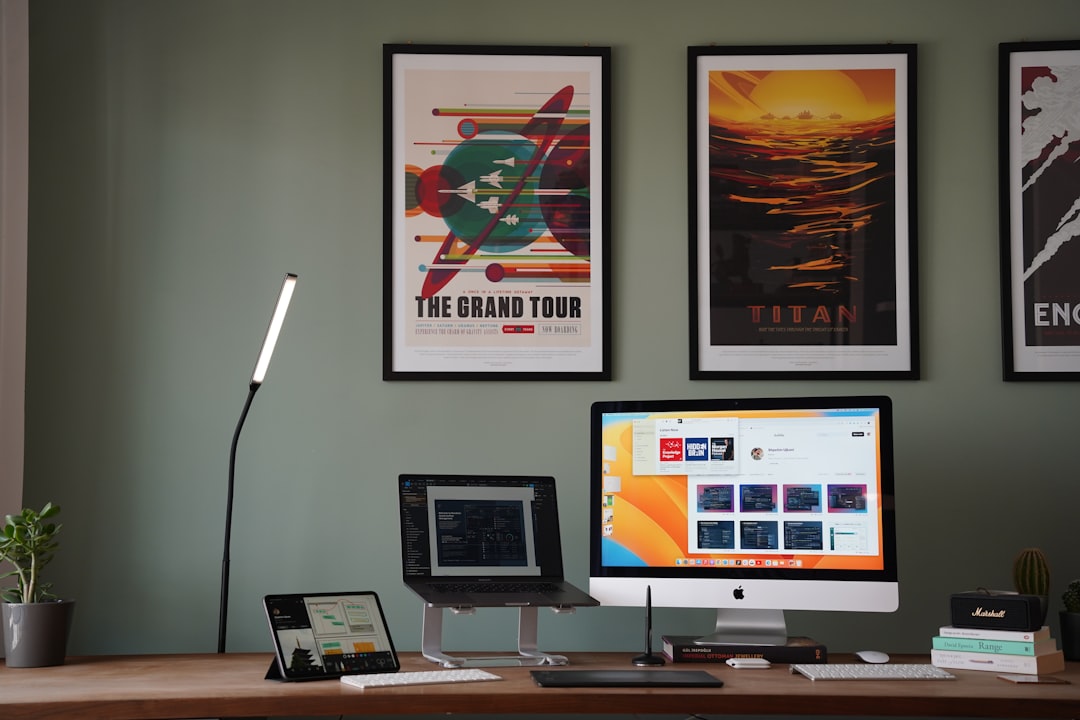
    productivity tips for freelancers - a dedicated workspace setup
    productivity tips for freelancers - a digital workspace with technology
    productivity tips for freelancers - collaboration and communication tools
    productivity tips for freelancers - online training and learning

    Productivity Tool Features Best For
    Trello Visual task management, boards, and checklists Project management and collaboration
    Asana Task assignments, timelines, and project tracking Team collaboration and organization
    Zapier Task automation between apps Streamlining repetitive tasks
    RescueTime Time tracking and productivity analysis Identifying time-wasting activities

    Checklist for Productivity Tips for Freelancers

    • Set SMART goals
    • Create a dedicated workspace
    • Implement time management techniques
    • Utilize project management tools
    • Automate repetitive tasks
    • Leverage communication tools
    • Set boundaries with clients
    • Schedule breaks and downtime
    • Invest in online training
    • Join freelance communities
  • Essential Tools For Digital Freelancers: 10 Best Picks 2025

    Essential Tools For Digital Freelancers: 10 Best Picks 2025

    In the ever-evolving landscape of work, essential tools for digital freelancers have become pivotal for achieving success. As the trend of freelancing continues to rise, having the right tools can significantly impact productivity, streamline workflows, and enhance the quality of work produced. In this article, we’ll explore the top ten essential tools for digital freelancers in 2025 that can help you excel in your freelance journey.

    Why Every Digital Freelancer Needs the Right Tools

    The tools you choose can make or break your productivity as a freelancer. Effective tools not only help in organizing tasks but also enhance communication, streamline invoicing, and improve time management. When equipped with the right resources, freelancers can focus more on their craft, leading to better work quality and higher client satisfaction. Thus, understanding the impact of these essential tools for digital freelancers is crucial for anyone looking to thrive in this competitive environment.

    Top 10 Essential Tools for Digital Freelancers in 2025

    As we dive into the best picks for essential tools for digital freelancers, keep in mind that the right choice can vary based on individual needs. However, the following tools are widely recognized for their effectiveness and user-friendly interfaces.

    1. Project Management Software

    Project management tools like Trello and Asana are indispensable for organizing tasks and managing projects efficiently. These platforms allow freelancers to create boards, track progress, and set deadlines, ensuring that projects are completed on time. With features like checklists and collaboration options, they provide clarity and structure to your workflow.

    2. Time Tracking Tools

    Tracking billable hours is essential for freelancers. Tools such as Toggl and Harvest enable you to log your time accurately, making invoicing straightforward. By understanding how much time is spent on various tasks, freelancers can optimize their productivity and ensure they’re compensated fairly for their work.

    3. Communication Platforms

    Effective communication is vital in freelancing. Platforms like Slack and Zoom facilitate real-time communication and video conferencing, making it easier to collaborate with clients and team members. These tools help bridge the gap between remote work and personal interaction, fostering stronger working relationships.

    4. Cloud Storage Solutions

    With the increasing need for remote access to files, cloud storage solutions like Google Drive and Dropbox are essential tools for digital freelancers. They provide secure file sharing and storage, ensuring that important documents are accessible from anywhere. Additionally, these services often come with collaboration features, allowing multiple users to work on documents simultaneously.

    5. Invoicing and Payment Tools

    Streamlining payment processes is crucial for maintaining cash flow. Tools like PayPal and FreshBooks simplify invoicing and payment collection, making it easier for freelancers to manage their finances. These platforms often include features like automatic reminders and expense tracking, which can save time and reduce stress.

    6. Design Software

    For freelancers involved in creating visual content, tools like Canva are invaluable. Canva offers a user-friendly interface for designing graphics, presentations, and marketing materials without needing advanced design skills. Its extensive library of templates and images can help freelancers produce professional-quality designs quickly.

    7. SEO and Marketing Tools

    In today’s digital landscape, understanding SEO is essential for driving traffic to your work. Tools like Ahrefs and SEMrush provide insights into keyword rankings, backlink analysis, and site audits. These tools are essential for digital freelancers looking to enhance their marketing strategies and improve their online presence.

    8. Social Media Management Tools

    Managing your online presence can be time-consuming. Tools like Hootsuite and Buffer allow freelancers to schedule social media posts, track engagement, and analyze performance across different platforms. By streamlining social media management, these tools help freelancers maintain a consistent online presence.

    9. Online Learning Platforms

    Continuous skill enhancement is vital in the freelancing world. Platforms like Coursera and Udemy offer courses across various subjects, allowing freelancers to upgrade their skills. Investing in personal development through these platforms can lead to better job opportunities and higher earnings.

    10. Virtual Assistant Services

    As your freelance business grows, consider hiring a virtual assistant to manage administrative tasks. Platforms like Upwork and Fiverr help freelancers find qualified virtual assistants, allowing them to focus on their core work. This delegation can lead to increased productivity and reduced burnout.

    How to Choose the Right Essential Tools for Digital Freelancers

    When selecting essential tools for digital freelancers, consider your specific needs and work style. Evaluate factors such as functionality, user-friendliness, integration with other tools, and cost. It’s also advisable to read reviews and seek recommendations from peers to ensure that the tools you choose align with your workflow.

    Maximizing Productivity with Essential Tools for Digital Freelancers

    Integrating essential tools into your daily routine can significantly boost productivity. Start by using project management software to outline your tasks for the day. Employ time tracking tools to understand how long each task takes, and adjust your schedule accordingly. Utilizing communication platforms to check in with clients or team members regularly can also enhance collaboration and keep projects on track.

    Trends in Essential Tools for Digital Freelancers in 2025

    As technology evolves, so do the tools available for digital freelancers. In 2025, we can expect advancements in AI-driven project management tools that offer smarter task suggestions and analytics. Collaboration tools will likely become more integrated with virtual reality, enhancing remote meetings. Additionally, there will be a growing emphasis on tools that promote mental well-being and work-life balance.

    Common Mistakes to Avoid When Selecting Tools

    Freelancers often encounter pitfalls when choosing tools. One common mistake is opting for overly complex software that requires extensive training. Another is not considering scalability; as your business grows, you’ll need tools that can adapt. Lastly, neglecting to take advantage of free trials can lead to poor purchasing decisions. Always test tools before committing financially.

    Conclusion

    In summary, the right essential tools for digital freelancers can profoundly impact your productivity and work quality. From project management software to invoicing tools, each resource plays a crucial role in streamlining your freelance operations. As you explore the options available, consider your specific needs and workflows to find the best fit. Embrace these essential tools for digital freelancers and elevate your freelance career to new heights.

    FAQs About Essential Tools for Digital Freelancers

    What are the most important tools for freelancers?

    The most important tools vary by specialty but generally include project management software, time tracking tools, and communication platforms.

    How can the right tools improve freelance work?

    The right tools can enhance organization, streamline workflows, and facilitate communication, leading to higher productivity and better work quality.

    Are there free tools available for digital freelancers?

    Yes, many essential tools for digital freelancers offer free versions or trials, allowing you to explore their features before committing.

    How often should freelancers update their tools?

    Freelancers should regularly assess their tools and update them as necessary, especially when new features or more efficient options become available.

    What tools are best for beginners in freelancing?

    Beginners may find user-friendly tools like Trello for project management, Google Drive for storage, and PayPal for payments to be particularly helpful.

    essential tools for digital freelancers - project management software on a laptop
    essential tools for digital freelancers - time tracking app on a smartphone
    essential tools for digital freelancers - virtual assistant service on a computer

    Tool Type Best For Price
    Trello Project Management Task Organization Free/Paid
    Toggl Time Tracking Billable Hours Free/Paid
    Slack Communication Team Collaboration Free/Paid
    Google Drive Cloud Storage File Sharing Free/Paid
    • Identify your needs and objectives
    • Research available tools and read reviews
    • Take advantage of free trials
    • Evaluate integration capabilities with existing tools
    • Consider user-friendliness and support options
  • Benefits Of Online Training For Freelancers: 7 Essential Tips 2025

    Benefits Of Online Training For Freelancers: 7 Essential Tips 2025

    Introduction

    The benefits of online training for freelancers are becoming increasingly clear as the demand for digital skills grows across various industries. As more people turn to freelancing, the need for continuous learning and skill enhancement is paramount. Online training offers a flexible, accessible, and often cost-effective way for freelancers to upgrade their skills and stay competitive in a rapidly changing job market.

    What Are the Benefits of Online Training for Freelancers?

    Understanding the benefits of online training for freelancers sets the foundation for exploring how it can transform your career. Online training provides a unique opportunity to learn at your own pace, choose from a diverse range of subjects, and tailor your learning experience to fit your individual needs. Whether you are looking to master a new digital tool, enhance your marketing skills, or boost your productivity, online training can provide the necessary resources and guidance.

    7 Essential Tips for Maximizing the Benefits of Online Training for Freelancers

    To fully leverage the benefits of online training for freelancers, it’s essential to have a strategy. Here are seven tips that can help you make the most of your online learning experience:

    1. Understand your learning style.
    2. Set clear goals to guide your training.
    3. Engage with feedback to enhance learning.
    4. Select reputable online training platforms.
    5. Manage your time effectively for a balanced approach.
    6. Utilize online communities for support.
    7. Apply what you learn in real-world scenarios.

    How Online Training Can Enhance Your Digital Skills

    Online training plays a crucial role in enhancing digital skills that are essential for freelancers. From mastering digital marketing techniques to learning coding languages, the courses available online cater to a plethora of interests. Freelancers can choose to specialize in areas such as SEO, social media marketing, or graphic design, thereby increasing their marketability. The benefits of online training for freelancers are evident in the improved skill sets that lead to better job opportunities and higher earnings.

    The Flexibility of Online Training: A Game Changer for Freelancers

    One of the most significant advantages of online training is its flexibility. As a freelancer, your schedule can be unpredictable, and online courses allow you to learn at your convenience. This flexibility enables you to balance work commitments with your educational pursuits effectively. You can choose to study during off-peak hours, making it easier to integrate learning into your daily routine. The benefits of online training for freelancers are amplified when you can customize your study times to fit your lifestyle.

    Cost-Effectiveness: One of the Key Benefits of Online Training for Freelancers

    Online training is often more affordable than traditional education methods. Many online courses are significantly cheaper than attending in-person classes, which can involve travel and accommodation costs. Additionally, there are numerous free resources available, allowing freelancers to gain skills without breaking the bank. This cost-effectiveness is a crucial factor in the benefits of online training for freelancers, enabling them to invest in their education without financial strain.

    Networking Opportunities: The Hidden Benefits of Online Training for Freelancers

    While online training primarily focuses on skill development, it also offers valuable networking opportunities. Many online courses come with forums or community groups where freelancers can connect with industry professionals. These connections can lead to collaborations, referrals, and even job opportunities. The benefits of online training for freelancers extend beyond personal development, providing avenues for professional growth and relationship-building within the industry.

    Staying Updated: Why Continuous Learning is Crucial for Freelancers

    In a fast-paced digital landscape, staying updated with the latest trends and technologies is essential for freelancers. Online training allows you to keep your skills relevant and current. As industries evolve, the need for continuous learning cannot be overstated. By embracing the benefits of online training for freelancers, you can ensure that your skill set remains competitive and aligned with market demands. For more insights, check out Tips For Improving Your Credit Score:.

    How to Choose the Right Online Training Program for Your Freelancing Career

    Selecting the appropriate online training program is vital for maximizing the benefits of online training for freelancers. Consider factors such as course content, instructor qualifications, and reviews from past participants. Additionally, look for programs that offer practical applications of the skills learned, ensuring that you can implement your knowledge immediately.

    Understanding Your Learning Style

    Recognizing your learning style can greatly influence your choice of online training. Some individuals learn best through visual aids, while others may prefer auditory or kinesthetic methods. By understanding your preferences, you can select courses that align with your learning style, enhancing your overall experience and retention of information.

    Setting Clear Goals for Your Online Training Journey

    Setting specific, measurable goals is crucial for effective online training. Whether you aim to complete a course within a certain timeframe or achieve a particular certification, having clear objectives can guide your learning process. By establishing goals, you can stay motivated and track your progress, ensuring that you reap the full benefits of online training for freelancers.

    The Role of Feedback in Online Learning

    Receiving constructive feedback is essential for growth. Many online training platforms offer opportunities for feedback through assignments or peer reviews. Engaging with this feedback allows you to identify areas for improvement and reinforces the learning process, making the benefits of online training for freelancers even more pronounced.

    Finding Reputable Online Training Platforms

    When seeking online training, it’s important to choose reputable platforms. Look for established providers with positive reviews and accreditation. Websites such as Coursera, edX, and Udemy are great places to start. By selecting credible sources, you can ensure that you receive quality education, enhancing the benefits of online training for freelancers.

    Balancing Work and Training: Time Management Tips

    Effective time management is key to balancing work and online training. Create a study schedule that incorporates dedicated learning time while still allowing for work commitments. Tools like calendars or project management apps can help you stay organized. By managing your time wisely, you can maximize the benefits of online training for freelancers without compromising your professional responsibilities.

    Utilizing Online Communities for Support

    Joining online communities related to your training can provide additional support and resources. Whether through social media groups or forums, connecting with peers can enhance your learning experience. Sharing insights, asking questions, and exchanging resources can amplify the benefits of online training for freelancers by creating a collaborative learning environment.

    Measuring Your Progress: Tools and Techniques

    Tracking your progress is essential for understanding the effectiveness of your online training. Utilize tools like progress trackers, checklists, or journals to document your learning journey. By measuring your growth, you can identify areas of strength and those needing improvement, ensuring that you fully capitalize on the benefits of online training for freelancers.

    The Importance of Practical Application

    Applying what you’ve learned in practical scenarios is vital for reinforcing your skills. Seek opportunities to implement your new knowledge in real-world projects or freelance assignments. This hands-on experience not only deepens your understanding but also showcases your abilities to potential clients, further enhancing the benefits of online training for freelancers.

    Exploring Different Modes of Online Training (Live vs. Self-Paced)

    When considering online training, it’s important to understand the difference between live and self-paced courses. Live sessions offer real-time interaction with instructors, which can enhance engagement and provide immediate feedback. In contrast, self-paced courses allow for greater flexibility, enabling you to learn on your own schedule. Assessing your personal preferences can help you choose the mode that best suits your learning style and needs, maximizing the benefits of online training for freelancers.

    Leveraging Online Certifications to Boost Your Freelance Career

    Obtaining certifications through online training can significantly enhance your freelance career. Certifications provide proof of your skills and knowledge, making you more attractive to potential clients. Many platforms offer recognized certifications that can bolster your credibility, showcasing your commitment to professional development. The benefits of online training for freelancers are amplified when you can present verified credentials to prospective employers. For more insights, check out Guide To Ai Tools For Small.

    Managing Distractions During Online Training

    Staying focused during online training can be challenging, especially with numerous distractions present in our environments. Create a dedicated study space free from interruptions and establish boundaries with others during your training time. Techniques such as the Pomodoro Technique—working in focused bursts with short breaks—can also enhance concentration. By managing distractions effectively, you can maximize the benefits of online training for freelancers.

    The Future of Online Training in the Freelance Economy

    The future of online training looks promising, especially for freelancers. As technology continues to advance, training platforms are expected to become even more interactive and personalized. Innovations like AI-driven learning paths and virtual reality training environments will likely emerge, further enhancing the benefits of online training for freelancers. Staying ahead of these trends can position you for success in the evolving freelance economy.

    Overcoming Common Challenges in Online Training

    Many freelancers face challenges in online training, such as time constraints and motivation issues. Identifying these obstacles is the first step toward overcoming them. Establish realistic expectations for your training journey and communicate with peers or mentors for encouragement. By proactively addressing these challenges, you can fully leverage the benefits of online training for freelancers.

    How to Stay Motivated Throughout Your Online Training

    Maintaining motivation can be difficult when pursuing online training. Set small milestones to celebrate along the way, and remind yourself of the long-term benefits of your education. Additionally, joining study groups or accountability partners can provide social support and encouragement, making it easier to stay on track. By fostering motivation, you can maximize the benefits of online training for freelancers.

    The Benefits of Online Training for Career Change

    For freelancers looking to pivot their careers, online training can be a game-changer. It allows individuals to acquire new skills and knowledge necessary for a successful transition. By investing in online courses relevant to your desired career path, you can position yourself as a qualified candidate. The benefits of online training for freelancers extend beyond skill acquisition, offering the potential for a complete career transformation.

    Conclusion: Embrace the Benefits of Online Training for Your Freelance Career

    In summary, the benefits of online training for freelancers are numerous and significant. From enhancing digital skills to providing flexible learning options, online training can transform your professional landscape. By implementing the essential tips discussed, you can maximize these benefits and position yourself for success in your freelancing career. Take the next step—explore online training opportunities today and invest in your future.

    We encourage you to share your experiences with online training in the comments below. Subscribe for more valuable insights and tips on enhancing your freelance journey!

    benefits of online training for freelancers + freelancers engaging in an online course
    benefits of online training for freelancers + a freelancer studying online
    benefits of online training for freelancers + a laptop showing online course content

    Feature Live Training Self-Paced Training
    Flexibility Less Flexible Highly Flexible
    Interactivity High Variable
    Cost Often Higher Usually Lower
    Feedback Immediate Delayed
    Learning Pace Instructor-Led Self-Directed
    • Identify your learning style.
    • Set clear, achievable goals.
    • Engage in community discussions.
    • Track your progress regularly.
    • Apply skills in real-world scenarios.
  • Productivity Tools For Freelancers: 10 Best 2025 Guide

    Productivity Tools For Freelancers: 10 Best 2025 Guide

    Introduction to Productivity Tools for Freelancers

    Productivity tools for freelancers are essential resources that help enhance efficiency and manage time effectively. In a dynamic work environment where freelancers juggle multiple clients and projects, these tools serve as a backbone for maintaining organization and focus. As the freelance landscape evolves, adopting the right productivity tools is vital for success.

    Why Freelancers Need Productivity Tools

    Freelancers face unique challenges that can hinder their productivity, such as time management, client communication, and project tracking. Without a structured approach, staying on top of tasks can become overwhelming. Productivity tools for freelancers address these issues by streamlining processes, facilitating clear communication, and providing insights into time usage, ultimately leading to increased efficiency.

    The Top 10 Productivity Tools for Freelancers in 2025

    In this guide, we will explore the ten best productivity tools for freelancers in 2025. These tools are carefully selected to address various aspects of freelance work, ensuring that you can manage your tasks effectively and keep your productivity levels high.

    Tool #1: Time Management Apps

    What Are Time Management Apps?

    Time management apps are software solutions designed to help individuals track and manage their time effectively. For freelancers, these apps are crucial in understanding how time is spent on different tasks, allowing for better focus and prioritization.

    Benefits of Using Time Management Apps

    By using time management apps, freelancers can stay organized, set deadlines, and allocate time efficiently. These tools provide insights into productivity patterns, enabling freelancers to identify areas for improvement.

    Recommended Time Management Apps

    • Toggl: A user-friendly app that tracks time spent on different projects.
    • Clockify: Offers time tracking, reporting, and team management features.
    • RescueTime: Analyzes productivity patterns and provides feedback.

    Tool #2: Project Management Software

    Importance of Project Management for Freelancers

    Effective project management is essential for freelancers to ensure that all tasks are completed on time and to client specifications. It helps in organizing workload, setting deadlines, and tracking progress. For more insights, check out Best Investment Options For Beginners: 7.

    Top Project Management Tools for Freelancers

    • Asana: A versatile tool that allows task assignment, deadline setting, and progress tracking.
    • Trello: Uses boards and cards to organize tasks visually, making it easy to manage projects.
    • ClickUp: Combines project management with time tracking and goal-setting features.

    Tool #3: Communication Platforms

    Why Effective Communication is Vital

    Clear communication is crucial for freelancers to maintain relationships with clients and collaborators. Misunderstandings can lead to project delays and dissatisfaction, making effective communication tools indispensable.

    Best Communication Tools for Freelancers

    • Slack: A powerful messaging platform that allows for real-time communication and collaboration.
    • Zoom: Ideal for video calls, webinars, and virtual meetings.
    • Microsoft Teams: Integrates with other Microsoft services, providing a comprehensive communication suite.

    Tool #4: Invoicing and Accounting Software

    Managing Finances as a Freelancer

    Freelancers often face financial challenges, such as tracking expenses, creating invoices, and managing taxes. Invoicing and accounting software simplifies these tasks, ensuring freelancers can focus on their work rather than financial stress.

    Top Invoicing Tools to Consider

    • QuickBooks: Offers comprehensive accounting features tailored for freelancers.
    • FreshBooks: Simplifies invoicing and expense tracking with an intuitive interface.
    • Wave: A free tool that provides invoicing and accounting features for freelancers.

    Tool #5: Cloud Storage Solutions

    The Need for Secure Data Storage

    Cloud storage is essential for freelancers to ensure that their data is secure and accessible from anywhere. This is particularly important for those who work remotely or collaborate with teams.

    Recommended Cloud Storage Tools

    • Google Drive: Offers ample storage and easy collaboration on documents.
    • Dropbox: Known for its simple file sharing and syncing capabilities.
    • OneDrive: Integrates seamlessly with Microsoft Office products.

    Tool #6: Note-Taking Applications

    Benefits of Organizing Ideas

    Note-taking applications enhance creativity and organization, allowing freelancers to keep track of ideas, tasks, and notes in an organized manner. This is particularly helpful for brainstorming sessions and project planning.

    Best Note-Taking Apps for Freelancers

    • Evernote: A powerful tool for organizing notes, images, and web clippings.
    • Notion: A versatile workspace that combines notes, tasks, and databases.
    • Microsoft OneNote: Integrates with other Microsoft products for easy note management.

    Tool #7: Focus and Distraction Management Tools

    How Distractions Impact Freelancers

    Distractions can significantly impact a freelancer’s productivity, making it essential to manage focus effectively. Tools that help minimize distractions can lead to improved concentration and work quality.

    Top Tools to Manage Focus

    • Forest: Encourages focus by growing a virtual tree while you work.
    • Focus@Will: Provides music designed to enhance concentration.
    • Freedom: Blocks distracting websites and apps during work hours.

    Tool #8: Learning and Online Training Platforms

    The Importance of Continuous Learning

    Continuous learning is crucial for freelancers to stay competitive in their fields. Investing in skills development through online training platforms can significantly enhance a freelancer’s value.

    Best Online Training Platforms for Freelancers

    • Udemy: Offers a wide range of courses across various topics.
    • Coursera: Partners with universities to provide accredited courses.
    • LinkedIn Learning: Provides courses focused on professional development.

    Tool #9: Social Media Management Tools

    Why Freelancers Should Manage Their Online Presence

    Managing an online presence is vital for freelancers to attract clients and build a personal brand. Social media management tools simplify scheduling posts and analyzing engagement.

    Top Social Media Tools for Freelancers

    • Buffer: Allows for easy scheduling and analytics across multiple platforms.
    • Hootsuite: Offers comprehensive management features for social media accounts.
    • Sprout Social: Provides detailed analytics and reporting for social media performance.

    Tool #10: Collaboration Tools

    The Need for Team Collaboration

    Even solo freelancers often collaborate with clients and other freelancers. Effective collaboration tools ensure that projects run smoothly, regardless of team size. For more insights, check out Future Of Ai In Business Automation:.

    Best Collaboration Tools for Freelancers

    • Miro: An online whiteboard platform for brainstorming and collaboration.
    • Google Workspace: A suite of tools for document creation, communication, and collaboration.
    • Notion: Combines note-taking with collaborative project management features.

    Conclusion: Choosing the Right Productivity Tools for Your Freelance Career

    Choosing the right productivity tools for freelancers is essential for enhancing efficiency and achieving career goals. By assessing your needs and exploring the various options available, you can find the tools that best suit your workflow. Remember, the right productivity tools for freelancers can make a significant difference in your daily routine and overall success.

    FAQs About Productivity Tools for Freelancers

    What are the essential productivity tools for freelancers?

    Essential productivity tools for freelancers include time management apps, project management software, communication platforms, invoicing tools, and cloud storage solutions. These tools help streamline workflows and improve efficiency.

    How do productivity tools improve freelance work?

    Productivity tools improve freelance work by providing organization, facilitating communication, tracking time, and managing finances. They enable freelancers to stay focused and effectively manage their workloads.

    Can I use free productivity tools as a freelancer?

    Yes, many free productivity tools are available for freelancers. While some may have limitations compared to paid versions, they can still be effective in enhancing productivity and managing tasks.

    Additional Resources for Freelancers

    For further reading and resources, consider exploring [this guide on freelance productivity](#), [online training opportunities](#), and [communities that support freelancers](#). These resources can provide valuable insights and tools to help you thrive in your freelance career.

    productivity tools for freelancers - a desktop setup with productivity tools
    productivity tools for freelancers - a person using a laptop
    productivity tools for freelancers - team collaboration on a project
    productivity tools for freelancers - planning and organization

  • Online Training Platforms For Freelancers: 7 Best 2025 Guide

    Online Training Platforms For Freelancers: 7 Best 2025 Guide

    Introduction to Online Training Platforms for Freelancers

    Online training platforms for freelancers play a pivotal role in enhancing digital skills and providing the knowledge necessary for success in a competitive landscape. As the freelance economy continues to grow, these platforms offer invaluable resources that enable freelancers to upskill, adapt, and thrive in their chosen fields. With the right training, freelancers can not only improve their marketability but also boost their confidence and productivity.

    Why Choose Online Training Platforms for Freelancers?

    The benefits of online training platforms for freelancers are numerous. First and foremost, flexibility is a significant advantage; freelancers can learn at their own pace and on their own schedule, accommodating their often unpredictable workloads. Additionally, these platforms offer accessibility to a wide array of topics, from technical skills like coding to creative pursuits such as graphic design. This diversity ensures that freelancers can find courses tailored to their specific needs and career goals.

    Top 7 Online Training Platforms for Freelancers in 2025

    In this section, we will explore the seven best online training platforms for freelancers in 2025, each offering unique features and benefits to enhance your freelancing journey.

    1. Udemy: A Comprehensive Learning Hub

    Udemy stands out as one of the most popular online training platforms for freelancers. With over 155,000 courses available, it covers a vast range of topics, making it easy for freelancers to find relevant training. The user experience is user-friendly, allowing learners to navigate through courses effortlessly. Moreover, Udemy frequently offers discounts, making quality education more affordable.

    online training platforms for freelancers Udemy overview

    For more information, visit Udemy’s official website.

    2. Coursera: Partnering with Top Universities

    Coursera collaborates with renowned universities and organizations to provide high-quality courses and degree programs. This platform is particularly beneficial for freelancers seeking accredited courses that can enhance their credentials. With offerings in diverse fields such as business, technology, and arts, Coursera helps freelancers gain recognized qualifications that can open doors to new opportunities.

    online training platforms for freelancers Coursera overview

    Learn more by visiting Coursera’s official site.

    3. LinkedIn Learning: Professional Development Focus

    LinkedIn Learning is tailored for professional development, making it an excellent choice for freelancers looking to enhance their skills and network. With thousands of courses focusing on business, technology, and creative skills, freelancers can easily find relevant content. Additionally, the platform integrates seamlessly with LinkedIn, allowing users to showcase their completed courses on their profiles, which can attract potential clients.

    online training platforms for freelancers LinkedIn Learning overview

    For further details, check out LinkedIn Learning. For more insights, check out Crypto Investment Guide For 2024: 7.

    4. Skillshare: Creative Skills for Freelancers

    Skillshare emphasizes creative skills, making it a perfect platform for freelancers in the arts and design fields. It offers thousands of classes on topics like illustration, video production, and photography. Skillshare’s community-driven approach encourages collaboration and networking, allowing freelancers to learn from each other and share their projects.

    online training platforms for freelancers Skillshare overview

    Discover more on Skillshare’s website.

    5. Pluralsight: Tech Skills for Freelancers

    For freelancers focused on technology and coding, Pluralsight offers a wealth of resources. The platform hosts thousands of courses taught by industry experts, covering topics such as software development, cybersecurity, and data science. Pluralsight also provides assessments to help learners gauge their skills and progress effectively.

    online training platforms for freelancers Pluralsight overview

    Learn more by visiting Pluralsight’s official site.

    6. Teachable: Building Your Own Courses

    Teachable empowers freelancers to create and sell their own online courses. This platform is ideal for those with expertise to share, allowing users to monetize their knowledge. Teachable provides a user-friendly interface and various tools to help course creators design engaging content and manage their students effectively.

    online training platforms for freelancers Teachable overview

    Find out more at Teachable’s website.

    7. Khan Academy: Free Learning for All

    Khan Academy offers a robust selection of free courses across various subjects, making it an invaluable resource for freelancers on a budget. With a focus on providing quality education for everyone, Khan Academy covers foundational skills in subjects like math, science, and programming, ensuring freelancers can strengthen their core competencies without financial strain.

    online training platforms for freelancers Khan Academy overview

    For more details, visit Khan Academy’s site.

    Key Features to Look for in Online Training Platforms for Freelancers

    When selecting online training platforms for freelancers, consider the following essential features:

    • Course Variety: Ensure the platform offers a wide range of topics relevant to your freelance career.
    • Instructor Quality: Look for platforms with experienced instructors who provide valuable insights and feedback.
    • Community Support: Choose platforms that foster interaction among learners for networking and collaboration opportunities.
    • Flexibility: Opt for platforms that allow you to learn at your own pace and on your schedule.
    • Certification: If important for your career, consider platforms that offer recognized certifications upon course completion.

    How to Choose the Right Online Training Platform for Your Freelance Career

    Choosing the right online training platform for your freelance career involves assessing your individual needs and career goals. Start by identifying the specific skills you want to develop or improve. Next, consider your learning style—do you prefer video lectures, interactive sessions, or reading materials? Finally, compare platforms based on course offerings, pricing, and user reviews to find the best fit for you.

    Benefits of Online Training for Freelancers

    Online training platforms for freelancers provide several benefits, including: For more insights, check out Claude Vs Chatgpt For Content Creation:.

    • Skill Enhancement: Continuous learning helps freelancers stay relevant in their fields.
    • Career Transition Support: Upskilling can facilitate a smooth transition to new career paths.
    • Increased Productivity: Improved skills lead to more efficient work processes and better project outcomes.

    Tips for Maximizing Your Online Training Experience

    To get the most out of online training platforms for freelancers, consider these practical tips:

    Set Clear Learning Goals

    Having specific objectives for your training can provide direction and motivation. Define what you want to achieve and set measurable milestones.

    Create a Dedicated Study Schedule

    A structured schedule can enhance your learning experience. Allocate specific times for training and stick to this routine to develop consistency.

    Engage with the Community

    Networking and engaging with other learners can provide additional insights and support. Participate in discussions, forums, and group projects to expand your connections.

    Utilize Additional Resources

    Don’t limit yourself to course materials; explore supplementary materials such as articles, podcasts, and webinars for deeper understanding.

    Apply Skills in Real Projects

    Practical application is crucial. Use the skills you learn in real projects or freelance work to solidify your knowledge and gain experience.

    Future Trends in Online Training for Freelancers

    The future of online training for freelancers is evolving rapidly. Emerging trends include the use of artificial intelligence to personalize learning experiences, gamification to enhance engagement, and virtual reality for immersive training sessions. As these technologies advance, freelancers can expect even more innovative and effective learning solutions.

    Conclusion: Elevate Your Freelance Career with Online Training Platforms

    Online training platforms for freelancers are essential tools for career development in the digital age. By exploring and utilizing these platforms, freelancers can enhance their skills, adapt to industry changes, and ultimately elevate their careers. To get started, assess your learning needs, choose a suitable platform from our top seven recommendations, and commit to continuous learning. Embrace the opportunities that online training platforms for freelancers offer and watch your freelance career flourish.

  • How To Boost Productivity As A Freelancer: 7 Best Tips 2025

    How To Boost Productivity As A Freelancer: 7 Best Tips 2025

    Introduction

    In the ever-evolving landscape of freelancing, understanding how to boost productivity as a freelancer is crucial for success in 2025. Freelancers often face unique challenges such as fluctuating workloads, distractions, and the need for self-discipline. Enhanced productivity not only combats these hurdles but also paves the way for improved job satisfaction and financial stability.

    Understanding Why Productivity Matters for Freelancers

    Productivity is the lifeblood of a successful freelance career. It directly impacts your ability to meet deadlines, manage multiple projects, and maximize your income. When you know how to boost productivity as a freelancer, you can achieve your goals more efficiently, leading to higher quality work and a more rewarding freelance experience.

    Moreover, improved productivity often correlates with job satisfaction. When you complete tasks efficiently, you create more time for personal projects, skill development, and leisure, fostering a more balanced lifestyle.

    How To Boost Productivity As A Freelancer: Tip 1 – Set Clear Goals

    Setting clear, actionable goals is a fundamental step in how to boost productivity as a freelancer. By employing the SMART criteria—Specific, Measurable, Achievable, Relevant, and Time-bound—you can create a roadmap for your freelance journey.

    Benefits of Goal Setting for Freelancers

    • Increases focus on key tasks.
    • Enhances motivation by tracking progress.
    • Provides a sense of direction and purpose.

    How To Boost Productivity As A Freelancer: Tip 2 – Create a Dedicated Workspace

    A dedicated workspace is essential for effective concentration. When you designate a specific area for work, you signal your brain that it’s time to focus. This separation also helps in reducing distractions, making it easier to enter a productive flow state.

    Designing Your Ideal Workspace

    To design an effective workspace, consider the following tips: For more insights, check out Guide To Diversifying Your Investment Portfolio:.

    • Choose a quiet location with minimal distractions.
    • Invest in ergonomic furniture for comfort.
    • Keep your workspace organized and clutter-free.

    how to boost productivity as a freelancer: a well-organized workspace

    How To Boost Productivity As A Freelancer: Tip 3 – Utilize Productivity Tools

    Utilizing productivity tools is a game-changer for freelancers aiming to enhance their workflow. These tools can streamline tasks, track time, and foster collaboration, making them invaluable in your quest to understand how to boost productivity as a freelancer.

    Top 5 Productivity Tools for Freelancers

    Tool Purpose Best For
    Trello Project Management Task organization
    Todoist Task Management Daily task tracking
    RescueTime Time Tracking Productivity analysis
    Slack Communication Team collaboration
    Canva Design Visual content creation

    How To Boost Productivity As A Freelancer: Tip 4 – Establish a Routine

    Establishing a daily routine is another effective strategy for freelancers. A structured schedule can help you allocate time for work, breaks, and personal activities, ultimately leading to enhanced productivity.

    Sample Daily Routine for Freelancers

    1. 8:00 AM – Morning routine (breakfast, exercise)
    2. 9:00 AM – Review goals and plan the day
    3. 10:00 AM – Focused work session (2 hours)
    4. 12:00 PM – Break (30 minutes)
    5. 12:30 PM – Continue working on tasks
    6. 3:00 PM – Short break (15 minutes)
    7. 3:15 PM – Wrap up remaining tasks
    8. 5:00 PM – End of workday review

    How To Boost Productivity As A Freelancer: Tip 5 – Manage Time Effectively

    Time management is crucial in learning how to boost productivity as a freelancer. Techniques like the Pomodoro Technique or time blocking can help you manage tasks efficiently and avoid burnout.

    Time Management Tools to Consider

    • Tomato Timer – A simple Pomodoro timer.
    • Toggl – A powerful time tracking tool.
    • Clockify – A free time tracker for teams and freelancers.

    How To Boost Productivity As A Freelancer: Tip 6 – Take Regular Breaks

    Regular breaks are vital for maintaining high productivity levels. Taking time to step away from your work can recharge your mind and prevent fatigue, which is essential for freelancers.

    Effective Break Strategies

    Consider these activities during your breaks:

    • Take a short walk outside for fresh air.
    • Practice mindfulness or meditation.
    • Engage in light stretching or exercise.

    how to boost productivity as a freelancer: taking breaks

    How To Boost Productivity As A Freelancer: Tip 7 – Continuous Learning and Skill Development

    In the fast-paced digital world of 2025, continuous learning is essential for freelancers. Keeping your skills updated ensures you remain competitive and can adapt to changing market demands.

    Online Training Resources for Freelancers

    • Coursera – Offers a wide range of courses across various fields.
    • Udemy – Features affordable courses on numerous topics.
    • LinkedIn Learning – Provides professional courses tailored for freelancers.

    Conclusion

    In summary, understanding how to boost productivity as a freelancer involves setting clear goals, creating a dedicated workspace, utilizing productivity tools, establishing a routine, managing time effectively, taking regular breaks, and engaging in continuous learning. By implementing these strategies, you can significantly enhance your productivity and overall success in the freelancing world. For more insights, check out Benefits Of Automation In Ai: 7.

    Take the first step today by selecting one or two tips to implement into your daily routine. Share your experiences and results with the community, and let’s continue to support one another on this journey to freelancing success!

    Frequently Asked Questions (FAQs)

    What Are the Best Practices for Freelancers?

    Best practices include maintaining a structured schedule, investing in the right tools, and continuously seeking skill development opportunities. These strategies collectively enhance your ability to produce quality work efficiently.

    Can Productivity Tools Really Help Freelancers?

    Yes, productivity tools can significantly improve efficiency by offering features that streamline workflows, track progress, and facilitate communication, making them essential for freelancers.

    How to Stay Motivated as a Freelancer?

    To stay motivated, set small, achievable goals, celebrate your successes, and keep your workspace inspiring. Joining freelancer communities can also provide support and encouragement.

    Call to Action

    Now that you know how to boost productivity as a freelancer, it’s your turn to take action. Try implementing one or more of these tips into your daily routine and share your experiences with the community. Together, we can enhance our productivity and thrive in the freelancing world!